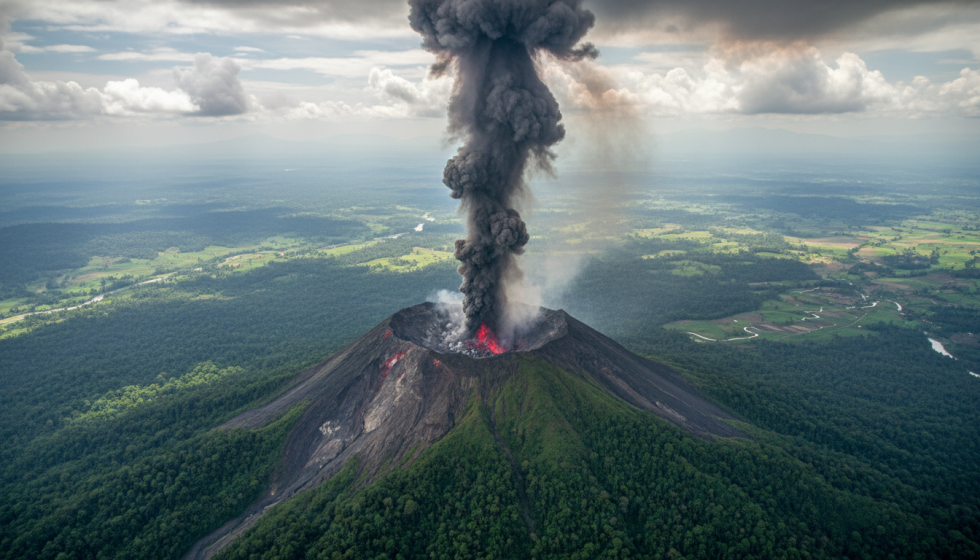
Volcanic Chaos Unleashed
Search and rescue teams are ploughing through layers of ash on Halmahera after the latest bang from Mount Dukono blasted a massive column of volcanic debris right into nearvillages. Unfortunately, three lives have been lost, prompting police to seal off access roads, ensuring the curious and foolhardy don’t stumble into unstable terrain. Indonesia’s Center for Volcanology and Geological Hazard Mitigation stated that the volcano’s activity is still cranked up, warning locals about sudden hot material ejections. Clinicians are now dealing with a surge of patients suffering from respiratory issues linked to the ash, while transport services are crawling, aiming for better visibility. Monitoring stations are tirelessly transmitting tremor readings to local command posts, getting ready for whatever might erupt next.
Warnings That Fell on Deaf Ears
The tragedy struck within a zone that had already been marked off-limits—an embarrassing reminder of how quickly things can turn deadly when safety rules go ignored. Radio advisories are screaming, stay away from the crater: those river channels might just funnel debris straight into your backyard. But enforcement? A nightmare in those isolated communities. In a separate safety alert, local agencies have urged residents to don masks and goggles when ash thickens, plus clear their roofs to prevent the dreaded collapse. Officials have also advised boat operators to take it easy if ash starts drifting out to sea. Lessons from past Indonesia volcano eruptions clearly haven’t sunk in.
Local Life in Disarray
Markets delayed opening; ash settled on everything like an unwelcome guest. Schools are slashing hours as parents scramble to check air quality and traffic. Delivery delays are plaguing food suppliers, while fishermen struggle with visibility near the coast. During a live broadcast, volunteers hastily set up temporary shelters for families in the fallout zone and coordinated mask distributions. Travel chaos? You bet. This eruption is drawing comparisons to another explosive affair in the region that sent flights scrambling. Meanwhile, a totally unrelated story about Pope Leo XIV’s First Year, a Mission of Unity, is making waves overseas while locals focus on survival and health precautions.
Government’s Response: A Mixed Bag
Provincial officials are adjusting evacuation plans based on wind direction, setting up extra checkpoints to keep the curious away from danger zones and ensure emergency routes are clear. The national disaster agency, BNPB, has rolled out a statement about coordinating equipment delivery—think portable lighting and water tanks for those in need. Clean-up efforts are prioritising clinics, wells, and key road junctions to tackle contamination risks. Responders are also mulling over transport options should ash turn the skies completely grey, all while urging residents to stick to official channels, not salacious gossip. For deeper insights on environmental management, UNEP has detailed their strategy in the Emissions Gap Report 2023. For more on crisis logistics, check out Oleshky Civilians Weigh Escape on the Road of Death.
Volcanoes: A Perpetual Dance with Destruction
Indonesia’s volcanology experts make it clear, repeated ash emissions are par for the course in long-active systems. Hazard messaging needs seriousness; brief lulls can lead to reckless behaviour. Scientists point out that eruptive activity can fluctuate rapidly, making it baldly dangerous to venture near the crater—even during what seems like a lull. A technical update from monitoring folk said that seismic signals and plume data will dictate any changes to alert levels, shared directly with aviation authorities. Today, disaster agencies have stressed the importance of coordinating with village leaders to disseminate warnings swiftly in real-time. While international chatter often bubbles up, like comparing to an ethiopia volcano eruption, ground zero reality is all about keeping safe perimeters, safeguarding water sources, and ensuring evacuation routes remain open amid relentless ashfall.