Ceasefire: A Fragile Illusion
As the ceasefire descended into chaos, fighting erupted in various regions. Both sides were quick to issue nearly identical statements about violations—classic miscommunication, really. It’s like watching a couple argue on a reality show: so predictable. The russia ukraine conflict has been flung into yet another volatile chapter just as the holiday rolled around. Rather than acknowledge politics at play, officials framed the fiasco as a mere operational hiccup, as commanders discussed the fracas in the skies and fresh strikes on positions. Today’s field reports described a battlefield in disarray, with Live monitoring capturing the madness as it unfolds.
Drone Warfare Deteriorates Dialogue
And then there were drones. Accusations started flying, literally, with each side claiming they intercepted enemy systems and that civilians are in the firing line. The BBC reported, with usual flair, how each side pointed fingers at the other for breaking the Victory Day ceasefire—typical tit-for-tat. While ongoing streams of information showcased a mix of claims and rebuttals, any meaningful dialogue seemed to evaporate. Instead of clarity, military spokespeople hardened their stances, effectively derailing any chance for peace talks at this juncture. The murky realm of drone warfare has a knack for amplifying political chaos, as noted in the Vatican report. Meanwhile, calls for dialogue feel increasingly hollow amid the booming rhetoric.
Victory Day: A Somber Spectacle
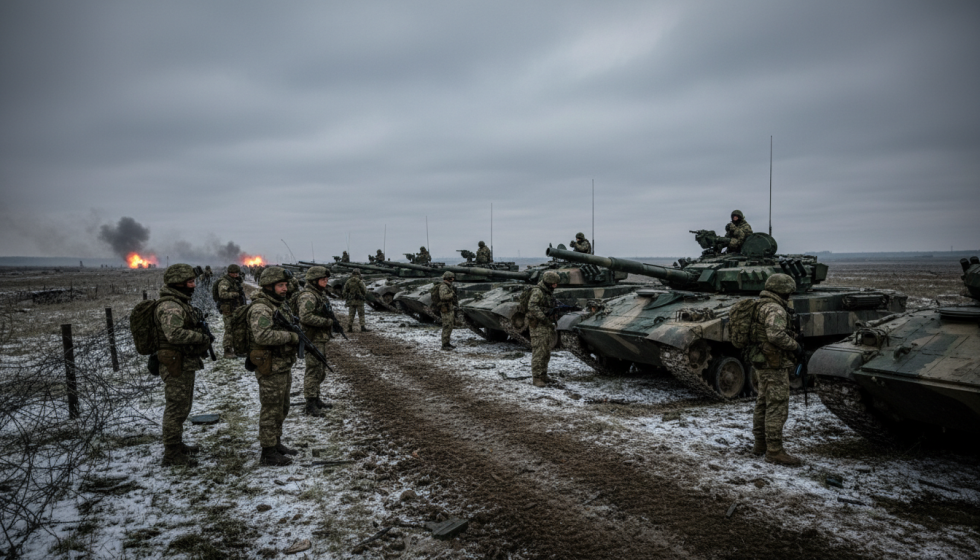
The collapse of the ceasefire cast a long shadow over public commemorations. Authorities tightened security measures and communications to look like they had everything under control. According to BBC’s Steve Rosenberg, this year’s Victory Day parade featured a conspicuous absence of tanks, alluding to the fact that the war isn’t quite going as planned. This observation only fanned the flames of debate about military loyalty. Updates stressed that preparedness was key, even though air risk alerts made moving about something of a gamble. The russia ukraine conflict has also insinuated itself into the narrative, with both sides clinging to their historical tales to boost morale.
Global Reactions: The Usual Rhetoric
International responses? Oh, they’re as predictable as rain in Britain. Foreign ministries reiterated tired lines about sovereignty and humanitarian access but steered clear of suggesting they might independently verify anything happening on the front lines. Live diplomatic updates underscored the necessity of credible monitoring—apparently, that’s a foreign concept these days. More commentary from European leaders fixated on supporting sanctions, while humanitarian groups raised alarms about civilian risks during expected quieter times. Context is key, and dynamic dangers have made life unbearable for folks; just check out reporting like Oleshky Civilians Weigh Escape on the Road of Death for a real eye-opener on how people are grappling with imminent threats.
Looking Ahead: De-Escalation Or More Chaos?
As for any chance of de-escalation in the near future, that’s anyone’s guess. Analysts highlighted the need for minor, verifiable steps—but good luck getting both militaries to agree on anything. It’s all about sequencing now, with transparent terms and independent observers necessary. But let’s be real, both sides have thrown up their guard. Expect live coverage to keep obsessing over drone allegations; they’re instant, deny-able, and oh-so-politically charged. While it’s possible some negotiators will try to carve out humanitarian windows or prisoner exchanges, they’re wading through treacherous waters thanks to entrenched narratives. May brought another round of failed pauses, with both sides pulling up baggage from the past to argue over who did what.