Leaders Seek Diplomatic Resolution
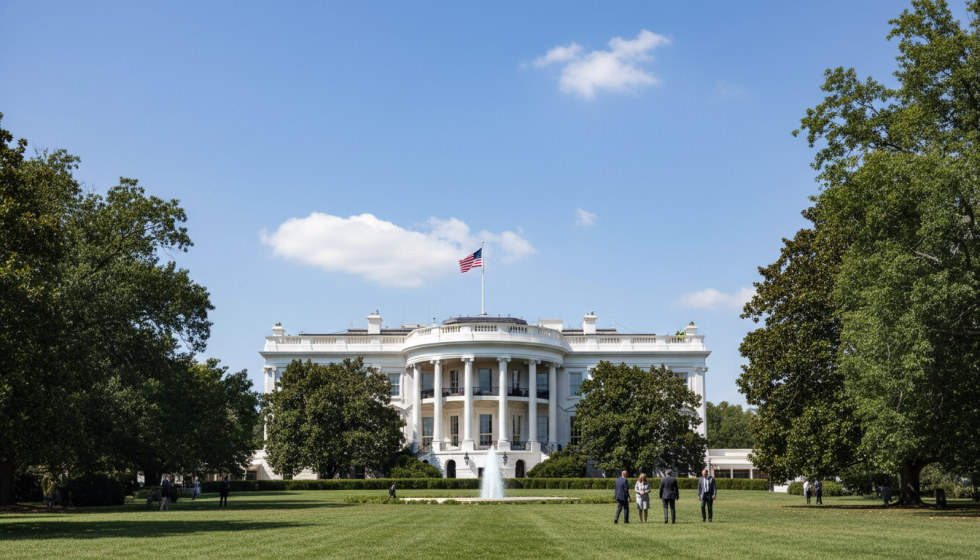
In the heart of Washington, the drama was pushed aside as the presidents met behind closed doors in the Oval Office. Aides, clearly stressing process over theatrics, downplayed any hopes of a show-stopping moment. Instead, they framed it as a working meeting—a place to keep the lines open on trade, climate, and security. Somewhere in the chatter, lula and trump reportedly honed in on tangible outcomes, like setting timelines for future chats. The White House even mentioned that this low-key format allowed for some unfiltered talk, all in the interest of quelling potential public sniping.
Why No Joint Statements?
In a classic move to dodge the press spotlight, both leaders decided against a joint appearance, allowing them to lie low and avoid entrenched positions. A senior US official remarked that this private approach kept disputes from festering in real time, while Brazilian representatives praised the art of quiet diplomacy. Instead of quotes from the leaders, the White House pushed questions towards upcoming schedules during a press scrum. A random update circulated alongside other international news as staff scrambled to keep a single spat from dominating the narrative, sneaking in the tidbit about Pope Leo XIV’s First Year, a Mission of Unity. Interestingly, the lack of a photo op was spun as a deliberate choice, not a blunder.
Behind the Curtain: Tensions Unveiled
The cracks in policy were glaring, particularly around tariffs, industrial subsidies, and the very different lenses each country uses to view environmental compliance. In the US, trade talk was tightly managed, with briefers outlining only the narrowest of overlaps. The stakes were high for this meeting, as domestic audiences in both nations are quick to pounce on any sign of weakness or concession. Meanwhile, a midday update highlighted that leaders in other countries are feeling electoral heat, reminding us how quickly politics reshapes diplomatic relations, as noted in Starmer under pressure, as Labour suffers heavy election losses. Without getting specific, officials played it safe avoiding numeric promises, instead focusing on how technical teams would draft options.
Impact on US-Brazil Connections
Diplomats observing the dynamics noted that this informal gathering aimed to dial down the heat while maintaining essential cooperation, regardless of what’s being said publicly. Brazilian officials were keen to point out ongoing efforts in consular matters, aviation coordination, and law enforcement, while US representatives insisted that daily interactions shouldn’t be derailed squabbles. A spokesperson added that discussions encompassed regional stability and the need for reliable communication. Mid-discussion, the White House opted to maintain a direct line for the two leaders for future clarifications, letting staff handle the nitty-gritty. There’s also the looming reality of parallel trade dramas in other areas, as those tracking the interplay of pressure points have noted Trump’s July 4 Deadline Stirs the EU Trade Deal Pot. Expect the next steps to trickle out through official scheduling rather than grand speeches.
What’s Next for Diplomatic Chats?
Both governments are gearing up for follow-up through ministers and technical envoys, reserving direct contact for when absolutely necessary. Brazilian officials are keen to compartmentalise negotiations, ensuring that disputes in one area don’t derail progress elsewhere. In Washington, aides suggested that the next Oval Office chat likely won’t happen until there’s some staff-level groundwork on trade and climate verbiage, minimising the risk of a public blunder. Coverage will probably centre on travel plans, cabinet meetings, and whether a joint statement could at long last be possible. The real test? Whether working groups can whip up a draft that each side can sell to their home crowd. The next update will likely show up as a calendar item rather than a flashy ceremony.