Asian Sports Networks in a Daze
The countdown to the World Cup is on, but over in Asia, it’s a right mess. Rights negotiations for the much-anticipated tournament are still not locked down, leaving broadcasters in a state of limbo. In cities like Beijing and Mumbai, sports channels and streaming platforms are essentially juggling balls, trying to guess when and how to fit matches into their programming. The risk? A last-minute deal that not only stuns marketing teams but also tanks subscriber conversions. The pressure’s on as everyone holds their breath, waiting for clarity.
A Drawn-Out Fifa Negotiation Farce
It’s like a soap opera, really. Buyers describe the current negotiations as endless, with commercial terms still yet to be agreed across both digital and linear packages. Lawyers and sales teams are poring over proposals that marry traditional channels with streaming rights, and it’s about as clear as mud. Meanwhile, take Sky Sports for example — they’ve got rolling coverage on Crystal Palace transfers live updates, which shows just how fast things can shift in the media rights landscape. As for the World Cup broadcast situation? Well, it’ll all depend on local regulations and ad market dynamics. We’re stuck on the edge of our seats till contracts are finally signed and sealed.
Fan Frustration: A Real Problem
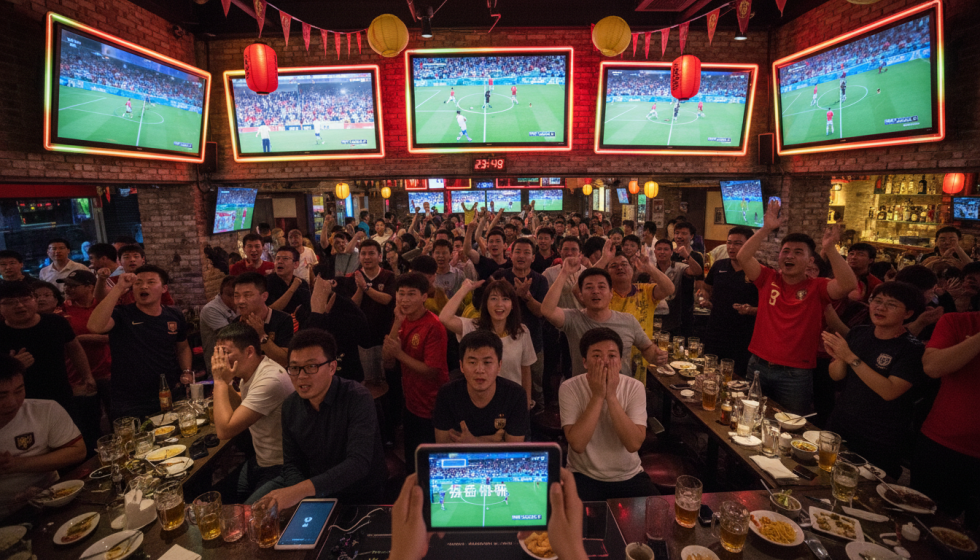
And then there are the fans, left in a lurch. The uncertainty raises legitimate questions about whether today’s subscriptions will actually include matches or come with nasty surprise add-ons later. Bars and fan groups in key cities are itching to plan public screenings but are totally in the dark until a World Cup broadcast partner is secured. Some venues are even sidestepping into policy matters around digital access and cross-border services, like coverage of Pope Leo XIV’s First Year, a Mission of Unity, since how they govern platforms can suddenly alter streaming availability. Live viewing is the name of the game for social interaction, and those delays? They just fuel piracy. Advocates in both China and India are demanding clearer refund policies — consumers shouldn’t pay for something that morphs after they’ve signed up.
Possible Workarounds for Chaos
So, how can platforms untangle this mess? They need to step up and publish availability statements that clearly outline what happens when rights get secured on the fly, including billing pauses and opt-out options. In China’s sports media world, stability is key; some execs are already considering sublicensing to keep services running smoothly. Over in India, operators often bundle premium football content with other offerings to justify costs, providing a potential way to speed commitments. And don’t forget about the complications that cross-border travel brings. Readers can compare how digital checks are handled in different regions checking out Portugal, Italy Keep Digital Checks for UK Travellers. During the chaos of match windows, having live customer support and bold update banners on apps can also help maintain subscribers’ loyalty.
The Bigger Picture: Future Sports Rights
This current uncertainty highlights a brewing storm: global federations are yearning for bigger paychecks and tighter control, while local broadcasters are crying for protections that align with advertising cycles. For Fifa, the takeaway is clear: delays can erode trust faster than a lit match in a crowded pub. Consumers care about reliability just as much, if not more, than exclusivity. Chinese sports media groups are under the microscope for how openly they communicate rights status, especially when social media can turn whispers into headlines quicker than you can say ‘World Cup’. If India’s sports deals hinge on converting casual viewers into loyal subscribers, then we’re all in for a wild ride. Analysts suggest that the next bidding wars will reward those who ensure solid delivery and put the brakes on piracy; timely updates may soon morph from a courtesy into non-negotiable contract obligations.