The Lowdown on Border Checks in Portugal
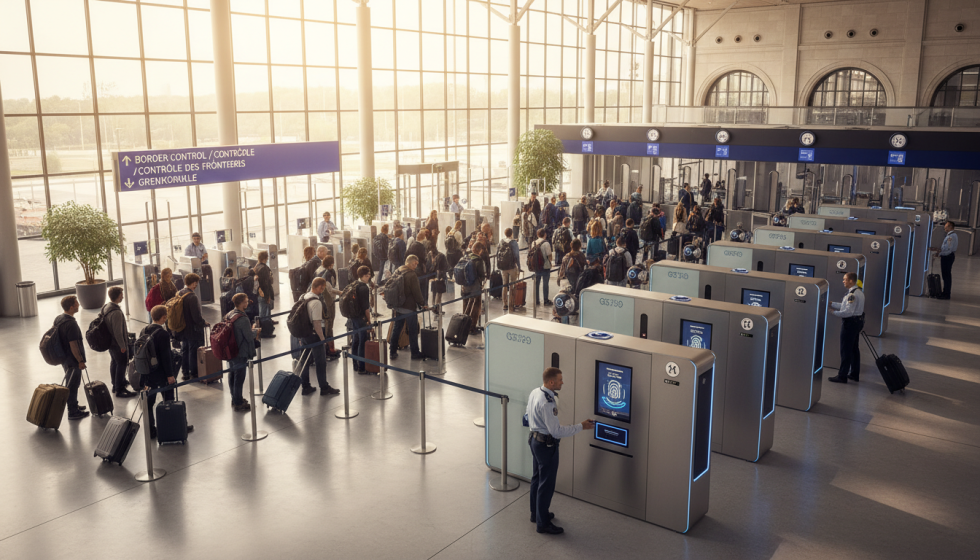
So, here’s the deal: Portuguese border officials are sticking to their guns, keeping the entry process for UK nationals arriving air and sea firmly in place. Ministers have declared this system will trudge along during the chaotic summer months. Essentially, it relies on digital border checks that run traveller data against security databases before any admission verdicts are handed out. Airlines and ferry operators are back on their soapboxes, urging passengers to allow for extra time as queues are getting longer at some arrival points. Officials are treating this whole affair as a compliance step in line with post-Brexit entry rules, not some willy-nilly temporary measure. And let’s be honest: conditions at Lisbon and Faro can swing wildly, so staffing’s getting a constant revamp.
How Italy Is Handling Passport Control
Meanwhile, Italy is playing hardball too. Authorities are firmly routing British passport holders through non-EU lanes at major airports. This is deemed operationally essential, and tourism operators are grumbling that we can expect major bottlenecks during peak hours. A recent nudge from the UK government’s travel guidance makes it clear: UK passport control in the Schengen zone may involve more document checks and manual stamping. Travellers are also getting the heads-up to double-check their passport validity before setting off, and the full scoop can be found in the UK Supreme Court Backs Government in Legacy Case. If you want a deeper dive on the whole advance passenger information nonsense, the BBC has also gone into detail about related border tech stipulations in its EU trade and customs reporting.
UK Travellers: Buckle Up
For those venturing from the UK, the immediate buzzkill is all about time and documentation headaches, particularly on those quick getaways where missing an onward connection feels like being kicked in the teeth. Carriers are telling folks to treat border processing times as a bit of a lottery, with live queue waits shifting like the British weather when multiple flights land simultaneously. The usual pain points? Expect to present passport stamps, proof of accommodation, and onward or return tickets—no question about it. The UK Foreign, Commonwealth and Development Office is absolutely adamant that local officials have the final say on entry, so be ready for some additional grilling. If you fancy an example of how quickly public health advice can throw a spanner in the works, keep an eye on this UN says cruise hantavirus outbreak is not a pandemic while you’re at it.
What Greece Adds to the Mix
Travel operators have pointed to Greece as one akin to a patchwork of different entry practices. But hang on, the comparison is more about workflow than any loosening of checks. Portugal’s travel briefings are loud and clear: expect consistent enforcement as staffing and lane allocations are twisted to meet the ebb and flow of demand. Nowadays, some airports are deploying roaming staff to help navigate families and tight connections, yet the core process remains unchanged for our British friends. The game-changer? The speed at which desks clear passengers when e-gates are open for eligible travellers—a luxury that isn’t always extended to UK passports. Airport operators are now hammering on the point that arriving early at terminals and having tighter coordination with ground handlers is crucial during those disruption episodes.
Peering into the Future of Travel Post-Brexit
Officials in Lisbon and Rome are quite keen to frame their current stance as the new normal in the post-Brexit travel landscape, where consistent enforcement reigns supreme. No signs of easing those procedures anytime soon, although improvements may come in the form of better throughput, clearer signage, and prepping passengers more effectively. Live discussions are swirling in the European travel bubble about how new EU-wide entry systems will mesh with the existing ones, demanding carriers to submit cleaner data before take-off. The European Commission has laid out timelines and technical notes for future border digitisation, and industry groups are keeping a hawk’s eye on those milestones as they map out their schedules. For British visitors, expect stable rules in the near term, but your sailing through the process will hinge largely on staffing levels and how ready passengers are to play ball.