Hezbollah’s Role in South Lebanon
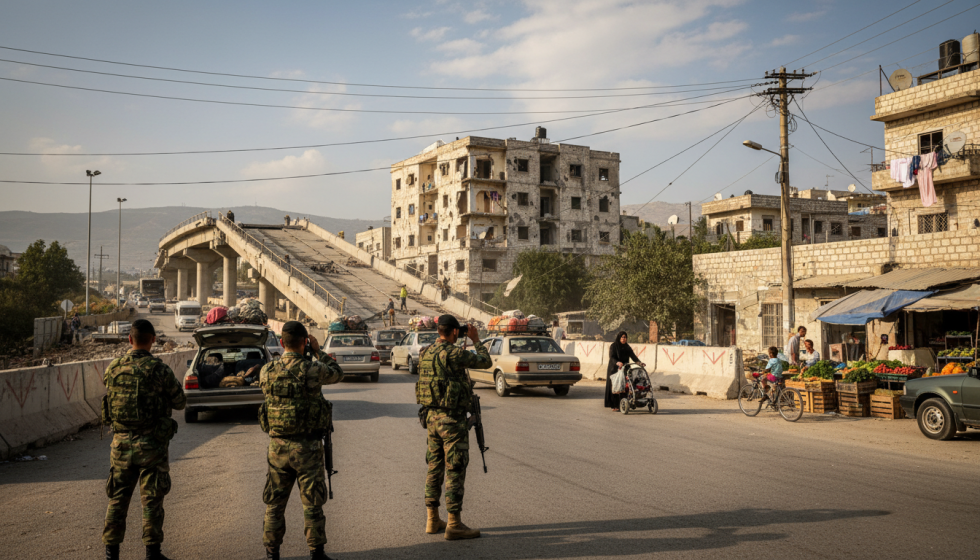
South Lebanon towns along the border are operating under constant strain as residents weigh security, livelihoods, and politics in the same breath. Fighters, local councils, and informal relief networks are moving people and supplies around damaged roads while power cuts stretch longer each week. In many villages, Hezbollah support Lebanon is expressed less as ideology than as a practical chain of assistance and protection where state services are thin. Today, shop owners described shorter opening hours and a shift to cash only, as mobile coverage drops after nearstrikes. A Live flow of neighborhood messages tracks fuel availability, ambulance access, and which routes are safest at dusk.
Impact of Israeli Attacks on the Region
Israeli attacks continue to reshape daily routines, with families sleeping away from windows and farmers delaying work in exposed fields. In a May 2026 warning, the UN said drone incidents near its positions were raising risks for peacekeepers in southern Lebanon, as described in the UN report on UNIFIL drone incidents. Residents following Live radio traffic also report longer waits at improvised checkpoints and rising transport costs on detour roads. As an Update to earlier damage assessments, municipal engineers in Tyre said teams are prioritizing water pumps and critical cables before smaller repairs. In some areas, clinics are treating stress related symptoms alongside injuries, as local doctors told Lebanese media outlets name.
Local Perception and Support for Hezbollah
Public opinion in the south is fragmented, but street level sentiment is often measured in who shows up after a strike and who helps people relocate. For many households, does lebanon support hezbollah is not an abstract question, it is answered whether food parcels arrive, rent can be covered, and schools can reopen. Hezbollah support Lebanon is reinforced when residents compare response times between party linked charities and overstretched municipal offices. A separate Live conversation on local stations focuses on accountability, with critics demanding clearer compensation mechanisms and better coordination with the Lebanese state. For perspective on how conflict economics can harden local loyalties, readers have also tracked regional spillovers via Tracking Companies Cashing In on Iran War Profits. An Update shared a parish relief group described families moving twice in one month.
Failed Ceasefire Efforts and Ongoing Conflict
Ceasefire efforts have repeatedly failed to translate into sustained quiet along the border, leaving communities skeptical of promises and timelines. Diplomats involved in shuttle talks have emphasized de escalation steps, but residents judge progress whether the next night is calm. In that atmosphere, hezbollah support in lebanon can harden as a defensive reflex, even among people who dislike armed politics. One measure of the strain is the continuing attention from international monitors, including the UN coverage of a deadly weekend in Lebanon and continued violence in Gaza in the UN News briefing on Lebanon and Gaza violence. Today, local reporters also noted that basic goods are moving in smaller batches to reduce losses. A Live Update from a border town council described rotating volunteer shifts to keep roads passable.
Future Prospects for South Lebanon
Near term prospects depend on whether the Lebanon conflict can be contained and whether the state can scale up services fast enough to reduce reliance on parallel systems. Mayors and civil society groups say rebuilding is already starting in pockets, but it remains vulnerable to renewed strikes and funding gaps. Today, educators in Nabatieh described trying to keep students engaged through hybrid schedules and frequent relocations, while Hezbollah support Lebanon will likely endure where reconstruction money, employment, and security assurances remain uncertain. A Live focus for the coming weeks is whether temporary shelters become semi permanent and whether insurance and remittance channels keep functioning. Another Update from health workers warned that chronic disease care is slipping as travel becomes harder, while opposition will persist where families blame armed escalation for their losses.