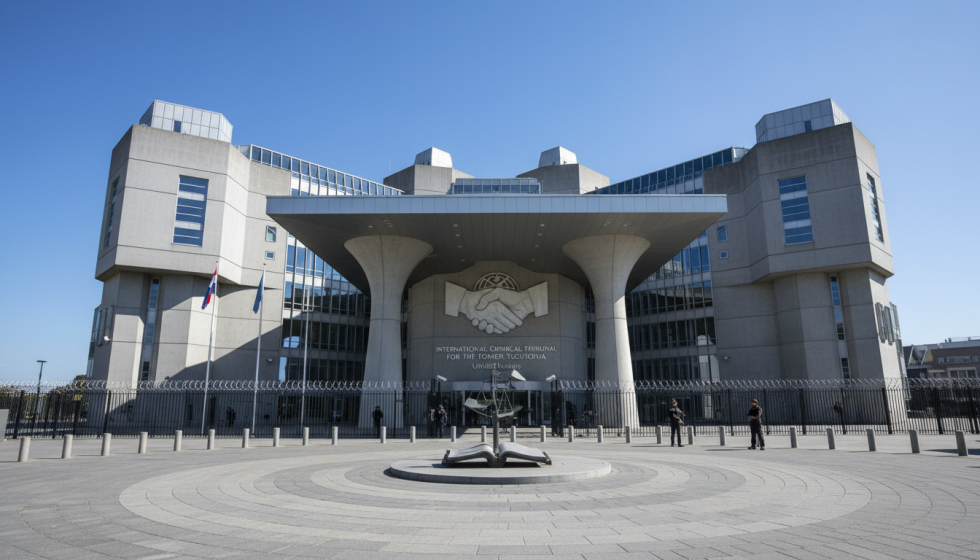
UN Judge Rules on Ratko Mladić’s Request
Today the UN tribunal mechanism said a judge has denied a request the former Bosnian Serb commander to be released from custody while serving his sentence. The ruling, issued the International Residual Mechanism for Criminal Tribunals, addressed claims about medical needs and detention standards, and it kept Ratko Mladić in UN custody in The Hague. In the Live coverage surrounding the decision, court filings and prior decisions were cited the chamber as the basis for maintaining detention. The judge stated that the legal threshold for provisional or humanitarian release was not met under the mechanism’s rules, and the court ordered that detention conditions continue to be monitored.
Conditions at The Hague: What the UN Says
Officials from the UN detention system have repeatedly said medical access and security arrangements are designed for high risk detainees, and the judge relied on those assurances in the latest Update on custody status. In submissions reviewed the chamber, the defense argued that a transfer outside the Hague prison would better address treatment, while prosecutors opposed release as inconsistent with sentence enforcement. For context on how institutions communicate public confidence in oversight, the tribunal’s approach echoes formal messaging seen in other bodies such as Holy See honours 13 envoys with Pius IX awards, where procedure and record keeping are emphasized, and a court document referenced oversight arrangements under UN standards and the mechanism’s registry. It noted that treatment can be delivered within the detention framework. Live attention now turns to what documentation the registry provides next.
Reaction from Victims’ Families and Advocates
Victims’ associations and survivor advocates responded Today stressing that sentence enforcement is part of recognition and accountability, and several groups have long opposed any release outside UN custody. For an example of how public institutions frame contested decisions, see BBC reporting on UK borrowing costs and political pressure, which details how official statements are scrutinized in real time, and legal observers noted that responses often focus on equal treatment. They argued that health claims should be weighed against the gravity of convictions and the need for consistent enforcement. In the ongoing Update cycle, lawyers following the mechanism said the ruling will be read as a signal that humanitarian arguments face a high bar when a final judgment is in place. Separately, some commentators linked the decision to wider debates on detention and prisoner treatment in Europe, though they cautioned against false comparisons.
The Legacy of Ratko Mladić’s War Crimes
The case remains a reference point for the UN judge community because the convictions involved grave war crimes and command responsibility, and the sentence is treated as a benchmark for enforcement. In court summaries previously published the mechanism, the prisoner was found guilty of crimes including genocide and persecution, and those findings underpin why many legal groups resist any easing of detention. The Live debate also intersects with how states cooperate with international rulings and prisoner transfers, a theme seen in other conflict related legal processes covered Kyiv Mourns Dead as Prisoner Swap Goes Ahead. Ratko Mladić is still discussed in courtroom analysis as a test of whether international sentences carry practical consequences beyond judgment day. The mechanism’s registry continues to publish procedural notices as the Update stream develops.
Future Implications for International Justice
The denial is being read Today as a reaffirmation that sentence enforcement stays centralized even as the UN’s ad hoc tribunals have closed and their residual functions continue. Lawyers say the decision matters for future applications other convicts because it clarifies how medical evidence, security concerns, and supervision plans are assessed the mechanism. The chamber’s approach also reinforces that detention decisions are not only administrative, and they are judicial acts with appeal pathways and written reasons. Live monitoring civil society groups is expected to continue, especially where there are claims about treatment or access to specialists, and the ruling cited the International Residual Mechanism for Criminal Tribunals in The Hague as the decision-making body. An Update on any further motion would likely depend on fresh medical documentation and on whether the registry reports any material change in custodial conditions within the Hague facility.