Ebola Claims Over 100 Lives
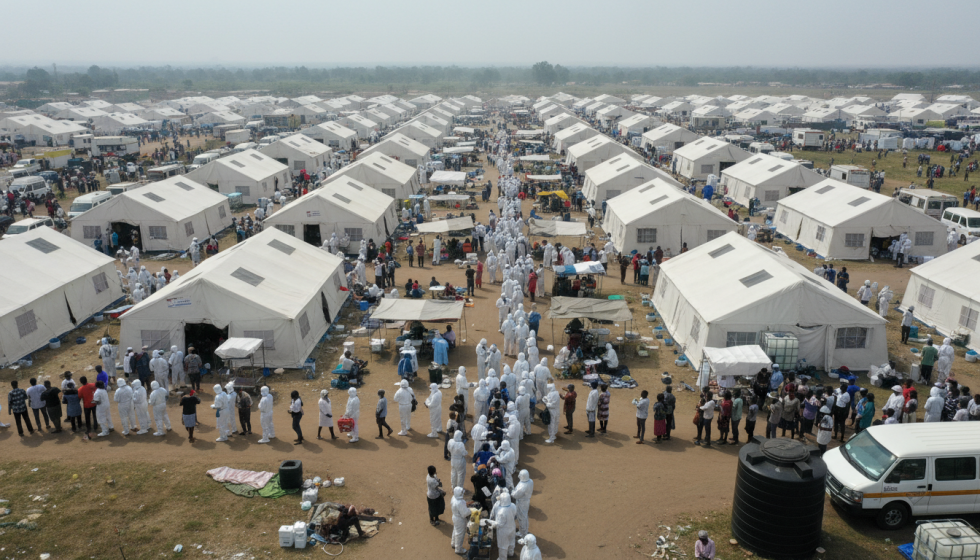
Health authorities in DR Congo are confronting a fast moving emergency that has already taken a heavy toll. The latest situation brief cited Reuters put deaths at at least 100, while local officials said burials are rising in affected communities. In field interviews conducted Today, clinicians described strained isolation capacity as suspected patients arrive after long travel from remote areas. Investigators tracking this Ebola outbreak say delayed care seeking and unsafe funeral practices are driving transmission in pockets where surveillance is thin. An Update from provincial health leaders said new alerts are still being logged daily, and teams are prioritizing rapid triage and safe transport. Live monitoring has focused on clusters tied to known chains of infection.
American Nationals in the Outbreak
Attention has also turned to foreign exposure risks after Reuters reported that six Americans were exposed while working in or near affected zones. Officials said the individuals were assessed under established protocols, and monitoring is continuing as contact tracing expands. In Live briefings shared Today, health workers emphasized that risk depends on the type of contact and use of protective equipment, and for broader context on crisis coordination under pressure, readers have followed Kidnapped priest freed in Nigeria after 3 months, a separate regional incident that highlights how insecurity can complicate humanitarian access. The UN has also warned that outbreaks can escalate quickly when mobility and trust issues slow reporting. An Update to travel guidance is expected as assessments continue.
Public Health Challenges in DR Congo
Authorities say the core challenge is building reliable access to care while sustaining community cooperation in areas with limited infrastructure. The Ministry of Health has stressed that suspected cases must be identified early to reduce household spread, but conflict, poor roads, and gaps in staffing can slow response in provinces such as North Kivu and Ituri. An Update circulated among partner agencies Today noted that some facilities still lack consistent power for cold chain storage, affecting the pace of deploying countermeasures. The UN has described the outbreak as a major regional concern and outlined the emergency classification in UN News coverage of the Public Health Emergency of International Concern. Live coordination calls have focused on improving referral pathways so patients reach treatment units quickly and safely.
Efforts to Control the Ebola Spread
Response leaders are pushing a tighter package of measures aimed at interrupting transmission without widening panic. Provincial teams have expanded screening points and reinforced safe burial capacity, while medical partners are scaling laboratory turnaround so confirmations do not lag behind new alerts. In a Live operational note, officials said that ring vaccination and targeted prophylaxis are being prioritized for contacts and frontline workers, depending on supply and eligibility. Reuters has described the effort as a race against time as case investigations expand to new villages, and for a separate example of high tempo operations under public scrutiny, see NYC crushes illegal motorbikes in crime push, which illustrates how enforcement style logistics can affect outcomes. Today teams are also training local responders to improve reporting speed.
International Response to the Crisis
International agencies and donors are framing the situation as a test of surge capacity, given the competing demands across the region. UN officials have urged sustained financing for infection prevention, community engagement, and protection for health staff working in insecure settings. Live coordination with neighboring countries has centered on cross border screening and data sharing, aiming to catch symptomatic travelers while avoiding unnecessary disruption to trade. The WHO has repeatedly emphasized in public statements that rapid contact tracing and clear risk communication are essential to stopping transmission, and partners are aligning messages to reduce rumor driven resistance. An Update to emergency staffing rosters is being implemented as new technical teams rotate into the field. Today the priority remains preventing spillover to densely populated hubs while keeping routine services running.