Current Situation in DR Congo
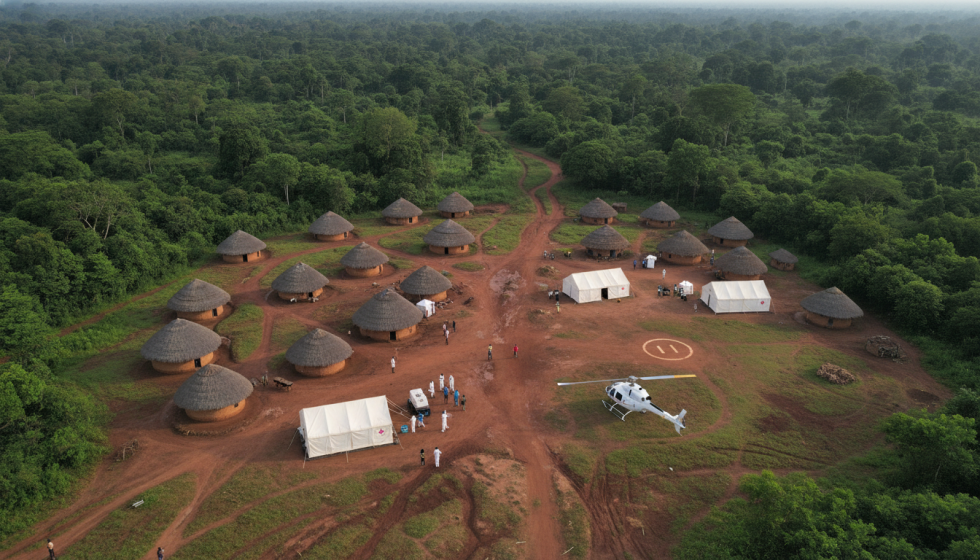
Health teams in eastern DR Congo are working under tight security as suspected infections rise across multiple territories. Today, provincial authorities are prioritizing isolation capacity and safe burials while asking communities to report symptoms early, as the congo ebola outbreak 2026 is being managed alongside population displacement that makes contact tracing fragile and incomplete. The UN News health desk described hundreds of suspected cases and stressed that a vaccine is not available for this event in its May 2026 coverage. Live surveillance depends on rapid sample transport, yet road access and checkpoint delays can stretch results timelines and complicate decisions on who needs quarantine.
Understanding the Rare Ebola Strain
Clinicians say the clinical picture is consistent with Ebola virus disease, but laboratory confirmation and strain typing are shaping which tools can be used. Today, the Ministry of Health briefings have emphasized risk communication that avoids panic while still pushing early triage in local clinics. UN News reported that this episode involves constraints on countermeasures, including the absence of a vaccine option for the affected setting, which changes how ring containment is planned, and it has tracked the event for ongoing situational awareness at UN News on DRC Ebola response constraints. Live case investigation remains essential, even when communities are mobile.
Impact of Conflict on Containment Efforts
Armed group activity and local insecurity are disrupting the most basic containment steps, including follow up visits and movement controls around affected villages. Update briefings from humanitarian coordinators have linked the Ebola response to a wider DR Congo health crisis, where hunger and displacement push families to travel even during screening campaigns. UN News described this overlap between outbreak work and a displacement emergency in May 2026, noting how insecurity alters health access in affected zones, and editors have highlighted how public communication choices matter, including guidance on truthful messaging reflected in Pope Leo XIV urges truthful communication in media. Live operations are also constrained fuel shortages and intermittent mobile coverage.
Public Health Response Strategies
Response leads are focusing on faster triage, safer transport, and clearer referral routes so suspected patients reach staffed facilities sooner. Update sessions for health workers include infection prevention drills and tighter control of protective equipment use, which officials say reduces hospital transmission. In parallel, rapid risk messaging is being tuned for local languages to encourage early reporting without stigmatizing survivors or families, and UN News also detailed how the outbreak follows hunger and displacement pressures and that context is shaping community outreach, as described at UN News on Ebola amid hunger and displacement. For readers tracking daily shifts, Lisbon Telegraph continues rolling coverage in Central Africa fears grow as Ebola spreads in 2026. Live monitoring then feeds weekly planning cycles.
International Support and Future Prospects
International agencies are concentrating support on logistics, staff protection, and cross border coordination to reduce the chance of wider spread. Update consultations with partners focus on expanding laboratory throughput and keeping treatment centers supplied when roads close, while also protecting routine care so malaria and maternal services do not collapse. UN News has reported that Central Africa has treated the situation as an escalating emergency in May 2026, and aid actors are using that framing to mobilize surge capacity and flexible funding. The congo ebola outbreak 2026 is also driving renewed emphasis on community trust, because fear of isolation can hide symptoms and fracture tracing. Live credibility depends on consistent data sharing and locally trusted messengers, not slogans.