Madagascar Declares State of Emergency
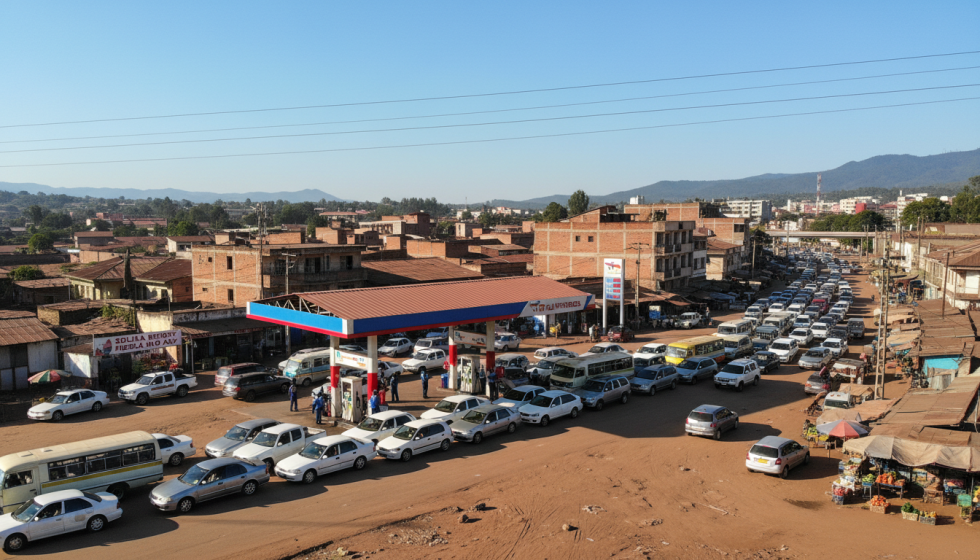
Madagascar’s government has declared a state of emergency as the Madagascar fuel shortage tightens across key urban centres and transport corridors. Officials say the decision follows days of worsening queues, sporadic station closures, and rationing that has left commuters and businesses scrambling for supplies. Today, public transport operators in Antananarivo reported repeated service interruptions as deliveries failed to match demand, while essential services warned that contingency stocks were being consumed faster than planned. The emergency decree, communicated through national channels, sets out temporary controls intended to protect strategic sectors, manage distribution, and reduce panic buying. Live monitoring teams have been tasked with documenting shortages district so authorities can redirect available volumes and keep hospitals, policing, and municipal services functioning without interruption.
Impact of Iran War on Madagascar
The fuel crisis has been linked officials and importers to market disruption tied to the Iran war, which has tightened availability, lifted freight and insurance costs, and slowed the arrival of cargoes destined for the region. Import schedules that normally provide steady replenishment have become less predictable, leaving Madagascar exposed to gaps because it relies heavily on seaborne supply. In parallel coverage of broader energy market stress, analysts tracking conflict related disruption have pointed to secondary effects on logistics and risk pricing, including in reports such as Iran conflict impacts across constrained infrastructure, which illustrates how rapidly conditions can cascade through dependent systems. Update notices from distributors have cited shipment timing changes, and Live conditions at ports have included extended waiting times for clearances and berthing windows.
Government’s Response to Fuel Shortages
Under the state of emergency framework, ministries overseeing energy, transport, and security have moved to centralise allocations and tighten oversight of sales points. The stated aim is to prevent diversion, enforce limits per vehicle, and ensure priority supply for ambulances, power generation, and food distribution. Regulatory teams have been deployed to inspect storage sites and verify documentation, with penalties signalled for price gouging or hoarding. Officials have also instructed regional administrators to coordinate with national dispatchers on daily needs, using reports filed before midday to shape next day delivery plans. For context on how governments handle pressure points in public safety settings, observers in Portugal have noted similar coordination when police were reinforced as tensions rose outside AIMA offices. Today, the government said it will issue an Update as enforcement actions and supply movements progress.
Potential Effects on Public Order
Security officials have warned that persistent shortages can strain public order, particularly where transport stoppages limit access to work, schools, and markets. Police units have been positioned near major depots and high demand retail stations to deter crowding and manage disputes that can flare during prolonged waits. Authorities have also encouraged staggered purchasing windows for fleet operators to reduce congestion, while municipal leaders have requested clearer communication to minimise misinformation. Live reports from the capital have described lines forming before dawn, with tensions rising when deliveries arrive late or fall short, and that pattern has increased the risk of opportunistic crime around stranded vehicles and cash transactions. Comparatively, Portugal has faced crowd management pressure in other contexts, including when the ministry planned new road safety measures after a spike in incidents, underscoring how operational readiness matters during emergencies.
Future Prospects and Solutions
Short term prospects hinge on stabilising import flows and ensuring transparent distribution so limited volumes reach priority users without distortion. Officials have indicated they are working with suppliers to adjust delivery sequencing, secure alternative cargo slots, and accelerate inland transport from ports to depots. They have also signalled support for auditing inventory data to align reported stocks with actual availability, an approach designed to reduce rumours that can trigger runs on stations. Internationally, the situation is being watched as part of a wider energy volatility story, with reporting such as BBC coverage of global pressures shaping supply chains highlighting how quickly shocks can ripple to import dependent economies. Live operational planning will likely remain in place until replenishment becomes regular, and the next government Update is expected to set timelines for easing controls and restoring normal purchasing rules.