A dialogue held at a symbolic crossroads
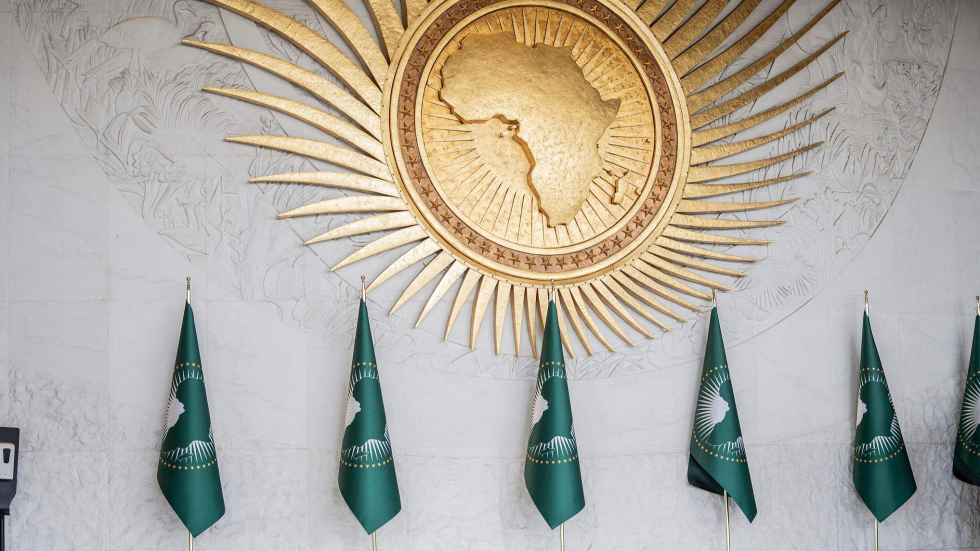
At the headquarters of the African Union in Addis Ababa, senior leaders from China and Africa came together this week for the ninth China AU Strategic Dialogue. The meeting brought Chinese Foreign Minister Wang Yi face to face with AU Commission Chairperson Mahmoud Ali Youssouf, reinforcing a partnership that has grown steadily over the past two decades. The choice of venue mattered. Addis Ababa is not only Ethiopia’s capital but also the political heart of the African continent, giving the talks both practical and symbolic weight.
More than diplomacy as people take center stage
Alongside the strategic dialogue, the two sides marked the launch of the China-Africa Year of People-to-People Exchanges for 2026. This initiative signals a shift in emphasis. While infrastructure, trade, and financing have long defined China Africa relations, both sides are now placing greater importance on cultural ties, education, tourism, and direct interaction between citizens. Officials described people to people exchanges as essential for building long term trust, moving the relationship beyond government agreements into everyday connections.
Modernization as a shared challenge
A central theme of the dialogue was modernization and how China and African countries can support each other in this process. African leaders have increasingly stressed that modernization should reflect local realities rather than copy external models. China’s own development experience, often framed as gradual and state coordinated, continues to resonate with many African policymakers. Discussions focused on practical cooperation that supports industrial growth, digital transformation, and skills development without undermining national policy space.
Global governance and Africa’s growing voice
The talks also reflected broader global dynamics. China and the African Union exchanged views on reforming global governance institutions to better represent developing countries. Africa’s demand for a stronger voice in international decision making aligns with China’s long stated position that global systems should reflect current economic and political realities. This convergence helps explain why China Africa coordination increasingly extends beyond bilateral projects into multilateral forums.
Trade access and zero tariff ambitions
Another key issue was zero tariff treatment for African exports. Expanding duty free access to the Chinese market has been framed as a way to support African manufacturing and value added exports, rather than limiting trade to raw materials. While implementation details vary country and product, the discussion highlighted growing awareness that balanced trade is crucial for sustaining political and public support for the partnership on both sides.
Mediation and peace in the Horn of Africa
Security and stability were also on the agenda, particularly the Outlook on Peace and Development in the Horn of Africa. The region remains strategically important and politically fragile. China’s support for the International Organization for Mediation reflects its interest in promoting dialogue based conflict resolution, especially in regions where instability directly affects development prospects. African Union officials emphasized that peace initiatives must be region led, with external partners playing a supportive role.
A relationship entering a new phase
The ninth China AU Strategic Dialogue underscored how the relationship is evolving. Infrastructure and financing remain important, but the growing focus on governance, mediation, and people to people ties suggests a more mature partnership. As both sides navigate economic uncertainty and shifting global power structures, China Africa cooperation is increasingly framed as a shared journey rather than a one directional flow of support.