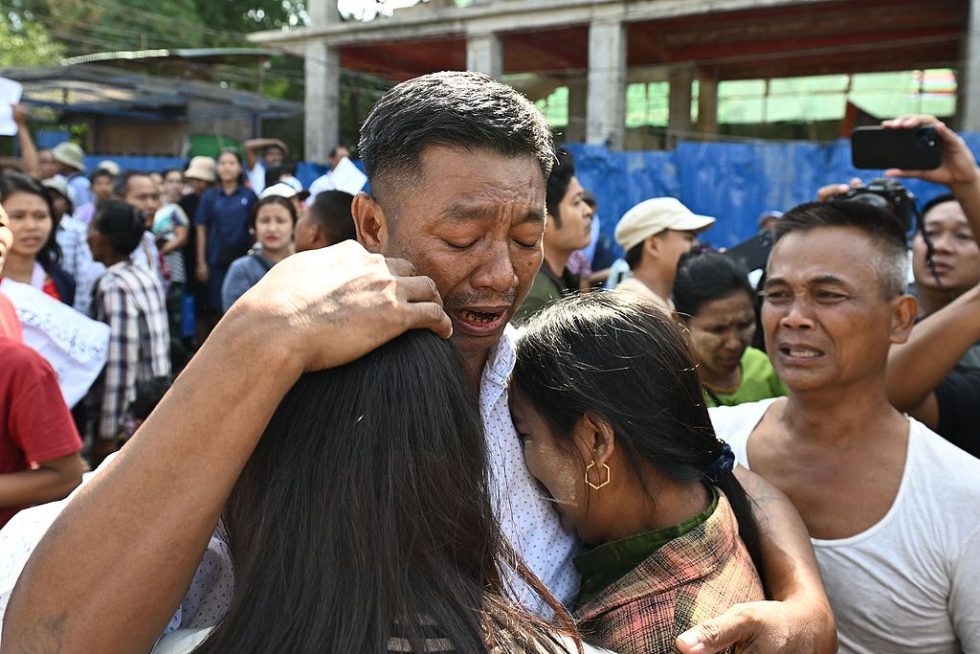
A morning of cautious celebration outside Insein Prison
On a quiet Sunday morning in Yangon, a scene of relief and emotion unfolded outside Insein Prison. Buses carrying newly freed inmates rolled through the gates as families and well wishers gathered nearby, hoping for a glimpse of loved ones. Some of the released prisoners waved from bus windows, their gestures simple yet powerful reminders of the human weight behind official announcements. For many, the moment marked the end of years spent behind bars and the beginning of an uncertain return to civilian life.
The scale of the annual pardon
Myanmar’s National Defence and Security Council confirmed that 6,134 Myanmar nationals were released under the country’s annual Independence Day amnesty. The move was described as being carried out on humanitarian and compassionate grounds, a phrase that has become familiar in official statements tied to national holidays. The announcement coincided with celebrations marking 78 years since Myanmar gained independence from British colonial rule, a date traditionally associated with gestures of reconciliation and national unity.
Independence Day and political symbolism
Independence Day amnesties have long been part of Myanmar’s political calendar. Each year, the release of prisoners serves both as a symbolic act and a practical reset of sorts, reinforcing the state’s narrative of mercy and renewal. This year’s amnesty, however, arrived at a sensitive moment. It came just days after the country entered an election period, adding layers of political meaning to what is officially framed as a humanitarian decision.
Human stories behind the numbers
While the figure of more than six thousand releases is significant, the real impact lies in individual lives. Families who have spent years navigating prison visits, legal uncertainty, and financial strain now face the challenge of reintegration. Former inmates must find work, reconnect with relatives, and rebuild identities shaped incarceration. For many, freedom does not instantly erase hardship, but it does restore choice and dignity.
What remains unclear about political detainees
Despite the scale of the amnesty, questions remain about who was included and who was left behind. Myanmar has faced sustained international scrutiny over the detention of political prisoners, journalists, and activists in recent years. Authorities did not provide detailed breakdowns of the categories of prisoners released, leaving observers uncertain about whether high profile or politically sensitive cases were part of the pardon. This lack of transparency continues to fuel debate both inside the country and abroad.
Public reaction and cautious optimism
Public response to the releases has been mixed but emotionally charged. For families reunited after long separations, the day carried deep personal meaning. At the same time, civil society groups and rights advocates expressed cautious optimism rather than celebration, noting that periodic amnesties do not address the broader issues surrounding arrests, trials, and long term detention practices. The releases are seen as a positive step, but not a substitute for systemic reform.
Looking beyond the celebration
As Myanmar marks another year of independence, the amnesty highlights the tension between symbolic gestures and lasting change. Freeing thousands of prisoners eases immediate human suffering and offers moments of hope, yet it also raises expectations about future steps. Whether this year’s pardons signal a broader shift or remain a familiar annual ritual will depend on what follows after the celebrations fade and daily realities return.
Myanmar’s Independence Day amnesty once again reminds the country and the world that behind every statistic are people, families, and unfinished stories waiting for resolution.