Strikes Intensify: Casualties Climb
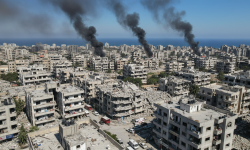
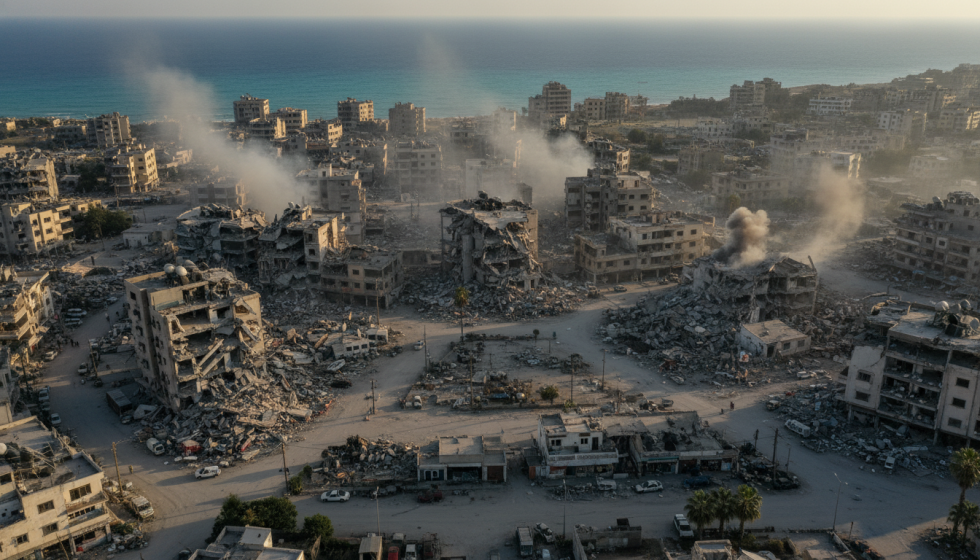
Emergency crews across Lebanon worked through the night as casualties continued to rise in multiple districts. In a Today briefing, Lebanon’s Ministry of Public Health said the death toll had passed 3,000 from Israeli strikes on Lebanon, while hospitals reported worsening shortages of blood supplies and critical medicines. The ministry added that the count reflects verified deaths recorded through its surveillance system, and it warned that some areas remain difficult to reach. The latest Update from several major hospitals cited the same ministry described sustained pressure on intensive care units, with displaced families arriving in waves. Civil defense officials said rescue operations were ongoing in damaged neighborhoods, prioritizing trapped residents and urgent transfers.
Ceasefire Breached: Hezbollah Responds
Cross border fire intensified after both sides accused the other of violating deconfliction understandings, escalating the Hezbollah conflict into a wider pattern of daily exchanges. A Live statement carried Lebanon’s state run National News Agency said Hezbollah announced retaliatory launches toward military positions, while the Israel Defense Forces said it struck launch sites in response to incoming fire. The UN has separately warned that civilian infrastructure is increasingly at risk in the fighting, as described in a UN News report on civilian suffering. Clergy calls for restraint also surfaced Today, including reflections highlighted in Pope Leo XIV on Ascension, Communion, Peace Now. Another Update from Lebanese health officials urged safe corridors for ambulances during active strikes.
International Reactions to the Crisis
Diplomats moved quickly to frame next steps as the Middle East crisis drew sharper warnings at the United Nations. UN spokespersons said briefings to member states emphasized protection of civilians and compliance with international humanitarian law, while the UN Security Council faced renewed pressure to address widening hostilities. Today, European officials speaking after routine foreign ministers meetings called for de escalation and supported expanded humanitarian access, without setting out a binding mechanism. Lebanese officials told local media that international mediation must address immediate security guarantees and the return of displaced communities. Separately, an Update from the Israel Defense Forces reiterated that its campaign targets armed groups and that it reviews strike allegations. The pace of Live diplomatic engagement remained high, with envoys shuttling between capitals to keep channels open.
Humanitarian Impact and Aid Efforts
Relief agencies described broadening Lebanon casualties beyond direct blast injuries, citing dehydration, interrupted dialysis, and delayed trauma care as roads and fuel supplies tighten. The International Committee of the Red Cross said Today that health facilities need protected access and reliable electricity, and it called for respect for medical transports under the Geneva Conventions. A Live situation note from UN aid offices said displacement has spread into host communities that are already stretched, raising risks for children and older residents. Regional security spillovers also complicate delivery routes, as detailed in UAE probes strike near Abu Dhabi nuclear plant, which aid coordinators cited as a reminder of wider instability. Another Update from Lebanese authorities said municipal shelters were nearing capacity in several governorates.
Looking Ahead: Prospects for Peace
Negotiators now face competing timelines, with military operations moving faster than political channels and local communities demanding immediate protection. Lebanese officials said Today that any durable arrangement must pair a halt to fire with enforceable monitoring and phased returns for the displaced, while security officials focused on preventing further escalation near densely populated areas. In Israel, public statements highlighted the priority of stopping cross border attacks, while Lebanese leaders emphasized sovereignty and the scale of Lebanon casualties. The latest Update from UN officials urged all parties to create verifiable pauses for evacuation and medical resupply, warning that continued fighting will deepen long term harm. Even as Live coverage tracks shifting front lines, mediators are pressing for steps that reduce civilian exposure and restore basic services.