Incident Overview Near Iraq
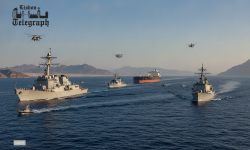
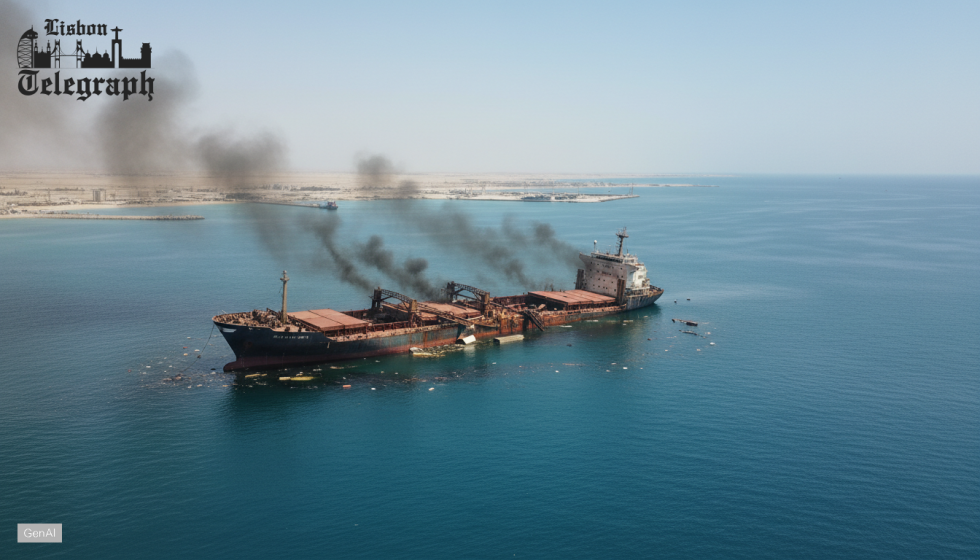
A cargo vessel transiting the Persian Gulf off the coast of Iraq was reportedly struck a projectile while underway. Immediate safety checks and notifications were made, reports the unverified source. The crew assessed structural damage, verified engine performance, and confirmed that critical systems appeared functional, the operator stated. The ship’s position and a timeline of events were communicated to regional coordination centers. Neartraffic reportedly slowed and kept wider separation to avoid secondary incidents. Early accounts focused on the impact location, with responsibility pending verification authorities. Even limited damage can disrupt operations where response time and reporting discipline are critical.
Security Implications for Gulf Shipping
Maritime security teams view a projectile strike as a potential escalation because it can alter route planning and communication strategies across the Gulf, guided industry practices. Incidents like this may lead companies to tighten manning, reinforce citadel readiness, and increase reporting to monitoring centers, based on risk assessments. To understand how the United Nations frames these pressures, readers can consult https://news.un.org/feed/view/en/story/2026/05/1167590. Some operators also adopt conservative passing distances and adjust transit timing in high-risk areas. Insurers may reassess risk terms following such an attack, adjusting only when underwriters publish new guidance.
Authorities, Investigations, and Reporting Channels
Regional authorities use established channels to manage safety broadcasts and evidence preservation, as typically observed in similar cases. An investigation into the reported attack may involve requests for AIS tracks, voyage data recorders, and imagery to reconstruct events. Leadership messaging and crisis management insights can be found in Pope Leo XIV Urges Illinois Leaders to Ground Authority in Service and Human Dignity. Port state control teams may require inspections if the ship calls at a regional harbor, consulting flag states and classification societies on seaworthiness. Public statements often remain limited until technical examinations are complete, per standard practice.
Shipping and Insurance Effects on Gulf Trade
A single strike’s commercial impact can disrupt schedules, as container operators often adhere to tight rotations. Perceived risk near Iraq may lead to rerouting requests or adjustments that disrupt port arrivals. For a comparison of fast-moving tensions, see US jets tracked near Cuba as tensions rise fast. Analysts track changes through freight indices and congestion measures, with pricing shifts confirmed benchmarks. For additional context, see Ben-Gvir Taunt Video Triggers Diplomatic Backlash. Cargo owners can face additional storage costs when delivery windows shift under new contract terms.
Historical Context and Risk Mitigation at Sea
Recurring Gulf tensions intersect with shipping, with operators assessing the region as prone to sudden maritime risks. The recent attack fits a pattern of heightened exposure during intensified rivalry, though attribution relies on verified investigations. Bridge teams are trained to log anomalies, maintain disciplined communication, and preserve evidence. Naval presence has varied, but compliance with guidance and risk culture remains crucial to keep trade flowing through this high-value corridor.