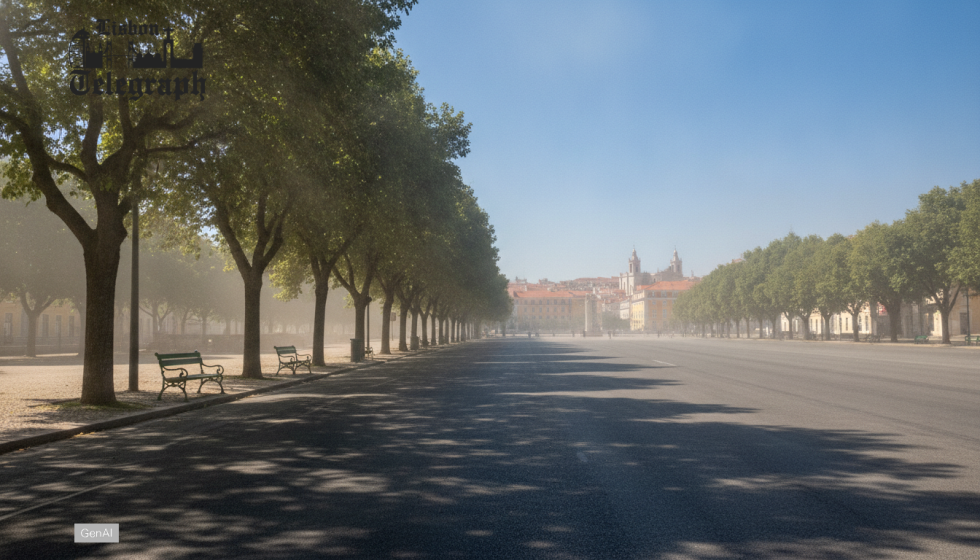
IPMA warns of scorching heat
Portugal’s about to sizzle again as a heatwave gets ready to fry the nation. According to the Portuguese Institute for Sea and Atmosphere (IPMA), several districts should brace for relentless high temperatures. This sweltering saga is part of a broader heat trend roasting southern Europe, with little relief at night due to hot continental air and weak winds. Officials urge residents to keep an eye on district-level forecasts as the situation evolves. Meanwhile, civil protection teams are coordinating with health units and fire services for a heads-up approach during the hottest hours.
Impact on daily life, travel, and utilities
Life’s about to get steamier. Public services might tweak schedules as the heat looms over urban areas, where buildings hold onto warmth. In Lisbon, transport operators have previously nudged passengers to stay hydrated and dodge the sun, with councils ready to provide shaded zones. Civil Protection messages usually flood through municipal channels when things heat up. Meanwhile, utilities are on guard, monitoring demand spikes when air conditioning units get a workout.
How municipalities prep for extreme heat
Municipalities are on the ball, trying to beat the heat without causing chaos. Priorities include checking on care homes and outdoor worksites and offering extended hours at cooled public buildings. There’s a game plan for shaded venues and training schedules tied to sports calendars. Backup generators and water points are on standif things heat up too much.
Health guidance and wildfire risk under high heat
Health chiefs are all about hydration and staying indoors when it’s scorching. According to Portugal’s Directorate-General of Health (DGS), light meals and lots of water are the way to go, especially for at-risk groups. On the fire front, the BBC highlighted how Europe’s heat can stoke wildfire dangers, increasing the load on emergency services. Pharmacies and clinics might ramp up staff as demands peak.
Repeated heatwaves and their implications
Heatwaves aren’t just an inconvenience—they’re a game-changer. Urban planners and policy folks treat these events as structural hurdles impacting cities, labor laws, and energy systems. The Portuguese Environment Agency (APA) has linked these rising heat risks to broader climate shifts, demanding adaptive strategies in water management and urban planning. Residents notice how quickly their spaces overheat, with warmth lingering well past sunset.