






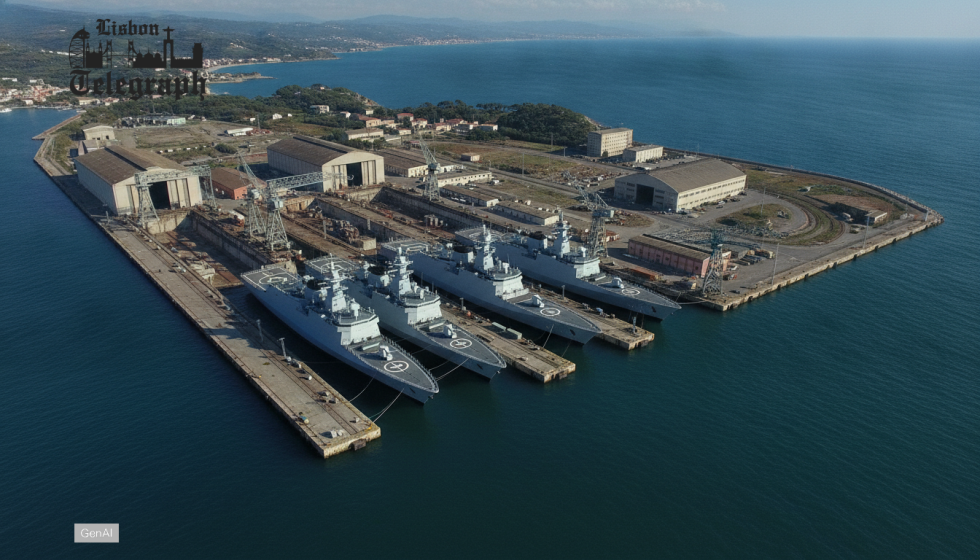
Portugal frigate acquisition boosts naval capabilities
Portugal is accelerating fleet renewal with a major procurement centred on new surface combatants for the navy. In Lisbon, the political focus has been on safeguarding sea lines of communication and maintaining a credible presence in the Atlantic. The programme is being presented as a long-term capability step tied to operational readiness rather than a symbolic purchase. Portuguese media reports put the plan at 3.9 billion euros for three ships, making it one of the country’s largest recent defence commitments. Officials have framed modernisation as a priority, while stressing that staffing, training, and sustainment must follow procurement timelines to keep the new capability deployable.
Deal details: three Italian frigates and the 3.9bn price
The planned purchase reportedly involves three frigates from Italy, described in domestic coverage as a package that includes the platforms and associated support. According to available reports from Observador, the investment totals 3.9 billion euros, a level that could shape procurement and readiness planning across the navy. The final contract structure has not been published, but Portuguese reporting suggests the programme could include training, spares, and integration support. Delivery timing remains subject to contracting milestones and shipyard schedules, and technical specifications have not been released in full.
Why the Portugal frigate acquisition matters for strategy
In defence planning terms, the new frigates are being treated as a lever for maritime posture, particularly for surveillance, escort duties, and participation in allied tasking, according to Portuguese reporting. Official statements typically emphasise the Atlantic dimension, including responsibilities linked to the Azores and broad ocean approaches, and tie naval readiness to deterrence and crisis response. The focus is less on expanding headline numbers than on replacing aging ships with platforms that can sustain longer deployment cycles, and the Portugal frigate acquisition is being discussed in that context. For a wider view of how allied spending debates are shaping procurement choices, see Archbishop Gallagher Kyiv visit urges prayer for peace. Outcomes will also depend on crewing depth, maintenance capacity, and training throughput.
Italy’s role and Portugal’s partnership choices
Rome’s defence industry has positioned itself as a key European supplier of naval platforms, and this procurement would reinforce that role in Portugal’s recapitalisation decisions, as characterised in Portuguese coverage. Procuring from an EU ally can simplify parts of industrial cooperation, spares sourcing, and sustainment frameworks, but those advantages depend on contract design and long-term support commitments. Portugal’s officials have not released industrial participation details, so the scale of Portuguese involvement will become clearer only after signing and implementation milestones. In the wider European market, procurement coordination and industry signalling also show up at major gatherings, as covered in Allies and industry will gather at Farnborough Air Show amid Iran war, spending debates. The partnership’s practical test will be sustainment performance over years, not announcements.
What comes next for Portugal’s navy after the acquisition
Beyond signing and delivery, the navy’s next challenge is ensuring funding covers life cycle costs, not only acquisition. Budget discussions regularly note that sustained readiness requires predictable allocations for maintenance, munitions, recruitment, and retention—areas that can be strained large capital projects. This frigate deal is likely to drive decisions on dockyard capacity, spare parts warehousing, and specialist training pipelines to keep ships available for patrols and deployments, as analysts and officials often warn. Related defence planning questions are also being tracked in France-Germany defense cooperation talks restart, where interoperability and resourcing are recurring themes. Ultimately, the decisive measure will be operational days at sea and the ability to meet tasking without extended downtime.


