






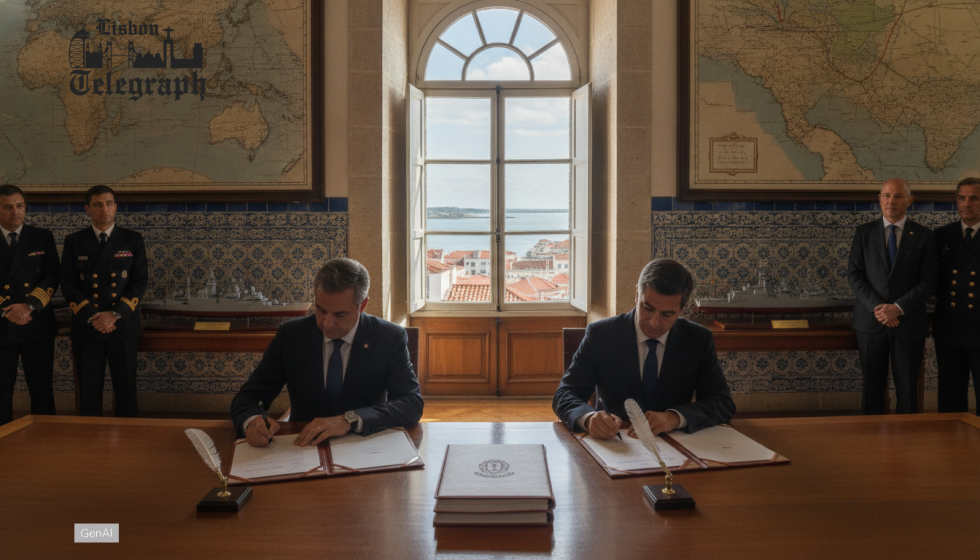
Portugal frigates acquisition: deal scope and timeline
Reports suggest Portugal’s frigates acquisition planning may be advancing as Lisbon prepares to buy three Italian-built frigates in a program reportedly valued at 3.9 billion euros. As indicated reports from Portugal’s public broadcaster RTP, government planning for naval recapitalization frames the move as a shift from incremental refits toward replacing aging surface combatants. Key details expected to determine the pace of fleet renewal include delivery sequencing, crew training throughput, and the sustainment package that will keep the ships available for operations. Parliamentary review is likely to focus on the contracting structure, industrial participation, and long-term maintenance responsibilities. Officials have also highlighted that acceptance trials, integration work, and shore-support readiness will shape when the Navy can deploy the new platforms at scale.
What Portugal is buying: frigate roles and capabilities
The core requirement behind the purchase is to restore reliable escort and maritime security capacity for Atlantic tasks, including surveillance, sea line protection, and contributions to NATO maritime groups. While RTP’s reporting centered on the headline price and ship count, decision makers typically weigh the full package: sensors, communications, training systems, spares, and munitions integration. Lisbon’s messaging presents the Portugal frigates acquisition as readiness-driven rather than symbolic, emphasizing deployable capability and interoperability. A separate view of how public messaging shapes policy debate is discussed in Pope Leo XIV Spain Visit: Peace Message at Montecassino. In practical terms, the frigates must arrive with support arrangements that reduce downtime and sustain tempo for routine patrols and coalition taskings.
Strategic context: why Lisbon is accelerating procurement
Portugal’s surface fleet has faced rising operational demands alongside personnel and maintenance constraints, increasing pressure for a clear modernization pathway. The program is being linked to maritime strategy priorities such as persistent domain awareness, credible escort capability, and resilience for critical sea routes. In Lisbon, the Portugal frigates acquisition is also viewed through the lens of broader European coordination, where procurement choices increasingly connect to coalition planning and industrial capacity. Related defense alignment dynamics are illustrated France-Germany defense cooperation talks restart, which highlights the wider push for interoperability and shared planning. The purchase also signals intent to field fewer but more capable ships, reducing reliance on stopgap life-extension as availability challenges accumulate across older hulls.
Financial terms: what 3.9bn euros may include
The deal’s reported 3.9 billion euro figure would place it among Portugal’s most consequential naval investments, and scrutiny will likely center on what is bundled beyond the ships themselves. Observers typically separate acquisition costs from through-life costs, where maintenance, upgrades, and workforce demands can exceed initial procurement if underfunded. In the middle of budget debate, the Portugal frigates acquisition will be assessed on whether it includes spares holdings, training pipelines, shore infrastructure, and software support, as well as how financing is staged across fiscal years. Broader allied spending pressures affecting industrial timelines and contracting are also discussed in Allies and industry will gather at Farnborough Air Show amid Iran war, spending debates. Contract publication and formal budget documents should clarify payment structure and sustainment responsibilities.
Next steps for the Navy: integration, crews, and readiness
Beyond selecting and contracting for the ships, delivery is only the start of turning new hulls into usable capability. The near-term challenge is sequencing: bringing new frigates online while keeping current platforms operational without exhausting trained personnel. The Portugal frigates acquisition also raises doctrinal choices about how Portugal balances escort missions, maritime domain awareness, and layered defense for key routes. Recruitment, retention, and specialist training will determine whether crews and maintenance teams can support higher readiness targets. Related domestic planning pressures, including infrastructure and resilience constraints, are discussed in Urban heat adaptation Portugal: cities face pressure, underscoring how large programs compete with other national priorities. Implementation credibility will depend on transparent milestones, realistic trials, and clear accountability for sustainment performance.


