Urban heat adaptation Portugal: risks and exposure
Urban heat adaptation in Portuguese municipalities is becoming a priority as municipalities face hotter nights, higher heat stress, and uneven protection for residents. Dense neighbourhoods can trap warmth and limit airflow, and the health burden often falls hardest on older people, outdoor workers, and residents in poorly insulated housing. According to reports from Euronews, some environmentalists suggest that cities still treat heat mainly as an episodic emergency instead of a design constraint for streets, housing, and public services in urban heat adaptation Portugal. As indicated those Euronews reports, they call for block-level risk mapping, clearer thresholds for heat alerts, and targeted measures that reach people without relying only on digital access.
What Portuguese cities and activists are proposing
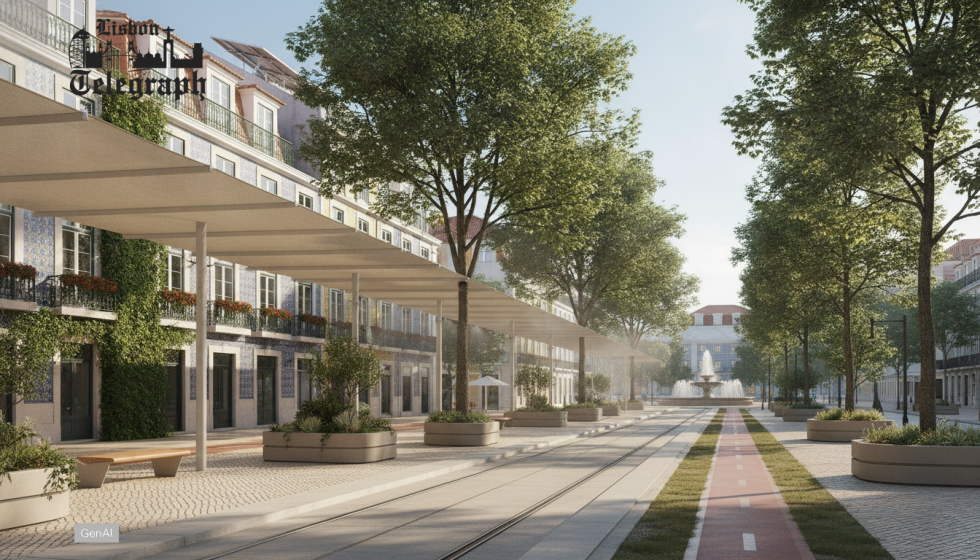
Campaigners and technical groups are pushing Portuguese cities to move from broad climate pledges to enforceable delivery: more shade, permeable ground cover, and cooling refuges in public buildings as part of urban heat adaptation Portugal efforts. Euronews cited advocates calling for municipal climate plans to include timelines for tree canopy, cool corridors, and heat protocols that are communicated beyond apps. For comparative insight into how large cities formalise heat advice and institutional responsibility, readers also follow UK heatwave Sadiq Khan guidance and Lords appointment alongside activists who cite how land and material choices influence urban temperatures and resilience in the Global Resources Outlook 2024. Activists argue this broader evidence base should translate into enforceable local delivery in Portugal.
Data tools and engineering for cooler neighbourhoods
Cities are testing practical tools that link temperature mapping to operational decisions, including remote sensing for hot spots, sensors, and modelling to help time irrigation and street cleaning. This kind of heat mapping can help identify overheated bus stops, schoolyards, and care home surroundings that could benefit from shade structures and reflective materials, and climate planners point to longer pattern analysis in Portugal plans for El Niño climate impact through 2027 when aligning heatwave management with seasonal forecasting and preparedness. Municipal engineers are also reportedly exploring district-scale cooling strategies such as targeted tree planting and retrofits intended to reduce heat gain without raising energy demand.
Policy delivery gaps and funding constraints
National and municipal policy is moving, but some believe implementation varies between cities and across funding cycles. Portugal’s climate governance framework assigns roles across central ministries and local councils, though measures can reportedly stall due to procurement timelines, fragmented land ownership, and competing demands on public space. Local heat planning also intersects with political accountability when transport, health, and housing agencies must coordinate on the same streets, which can shape how urban heat adaptation Portugal is delivered in practice, as reflected in Portugal political confidence debate grips Lisbon as PM pressed. These coordination problems are most visible when citywide cooling actions must be maintained year to year rather than announced only during peak heat periods.
What to measure next for heat resilience
Progress is likely to be judged less strategy documents and more measurable delivery: shaded walking routes, cooler school environments, and reliable refuge spaces during peak heat. Environmentalists quoted Euronews urge municipalities to publish indicators so residents can see whether promised canopy cover, resurfacing, and cooling access improve where risk is highest, and UNEP’s State of Finance for Nature 2023 warns that nature-based solutions remain underfunded globally, a point campaigners use to argue for protected budgets for trees, soil, and water features that reduce urban temperatures. If investment and maintenance are sustained, Portuguese cities may be able to reduce heat exposure while keeping public space usable through longer hot seasons.