Portugal political confidence debate goes full blast in Lisbon parliament
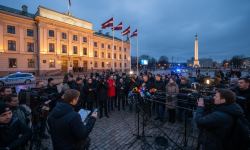
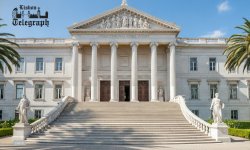
The Portugal political confidence debate kicked into overdrive in Lisbon after Chega leader Andre Ventura, speaking in parliament, threw down the gauntlet to the prime minister to prove majority support with a motion of confidence, as indicated available reports. Ventura painted the request as a trial of parliamentary backing and government durability, while ministers countered that routine votes and oversight already offer accountability. The exchange pulled multiple parties into the fray, morphing a procedural question into a bigger argument about mandate, stability, and the power of opposition over the executive schedule. With budgets and key legislation on the horizon, lawmakers hinted that the next weeks could decide whether the confrontation stays a rhetorical skirmish or turns into a full-fledged showdown in the Portugal political confidence debate.
Ventura calls for a confidence motion and raises the stakes
Ventura’s demand was all about forcing a parliamentary moment to remember: either the government proves majority support, or it faces the political fallout of refusing, as he claimed in the chamber. For a taste of how leadership challenges can turn procedural mechanics into high drama, check out the BBC analysis on UK leadership politics. He argued the move would cut through the uncertainty before upcoming votes, including the budget and committee schedules. Government reps pushed back, saying confidence mechanisms shouldn’t morph into a routine tactic trotted out after every spat, according to statements from the debate, with related tales of institutional stress echoing in places like Catholic Church governance tested France’s end-of-life law.
How confidence votes in Portugal give parliament a shake-up
Institutionally, Portugal’s constitution lets the government put forward a motion of confidence, and parliament can boot a cabinet with a motion of no confidence, as noted in constitutional guides. These tools can clarify support but might also squash negotiations into all-or-nothing deadlines that reward brinkmanship, analysts often mention. Lisbon-based commentators have argued that even if a confidence episode doesn’t lead straight to an election, the threat can stiffen party lines, shrink space for compromise, and raise the stakes for contested measures in the Portugal political confidence debate. You see similar tension in other governance squabbles where enforcement goes political, like when Portugal targets digital economy fraud on platforms.
Government strategy: Legitimacy through budgets and oversight
The prime minister shot down the notion that governing needs endless confidence tests, contending that legitimacy shines through in passing budgets, implementing laws, and answering to committees under constitutional rules, based on remarks from the session. Government spokespeople stressed that scrutiny is par for the course but said manufactured procedural showdowns risk throwing routine administration and public services into chaos. They also admitted that tight parliamentary numbers can dial up the volatility on big proposals, making scheduling and coalition management quite the tightrope in Lisbon. The administration has chalked up delivery as its main argument while gearing up for sharper opposition moves as the legislative clock winds down and public focus shifts to governance.
What’s the next act in Lisbon’s political drama?
The next act hinges on whether the standoff escalates into a formal confidence motion or stays a rhetorical tool aimed at shaping future votes. Parliamentary leaders need to decide whether pushing for a clear confidence moment clarifies roles or fires up polarization, as Lisbon observers suggest. For more on Portugal’s policy pressures beyond the parliamentary chess board, see Portugal plans for El Niño climate impact through 2027. The opposition might keep up the heat to unite various critiques, but it could backfire if voters see the tactic as just for show and not for substance in the Portugal political confidence debate. Meanwhile, ministers have to juggle keeping control of the agenda and stopping ongoing procedural upheaval from derailing legislative work.