World Bank aid Colombia: €172m recovery package confirmed
The World Bank aid Colombia package was described as worth €172 million in communications attributed in the draft to Banco Mundial messaging in Portuguese and to Colombian authorities in local briefings. Colombia has moved to secure multilateral financing as recovery operations accelerate following a major earthquake, according to available reports. Officials indicated the support is intended to help restore essential services, strengthen fiscal buffers and protect vulnerable households while reconstruction plans are finalized. The government mentioned additional partners could be approached as municipal damage estimates are consolidated, and that disbursements would be tied to verified needs and required documentation.
How the funding will be spent and monitored
Talks with the lender outlined that the financial envelope prioritizes urgent public spending and quicker procurement for repairs, aiming to show where funds go and what they deliver. In parallel coverage of cross-border finance conditions, Portugal Inflation: How US Prices Shape Local Costs noted how higher global rates can complicate recovery borrowing, a constraint Colombian officials have also referenced. Related context on banking supervision and liquidity can be seen in the Federal Reserve Board’s order on Federal Reserve approval of the application Banco Santander, S.A. and Santander Holdings USA, Inc., and how governments navigate social outlays during shocks is outlined in UK cost of living support: PM says more aid is due.
Damage assessment and the economic impact
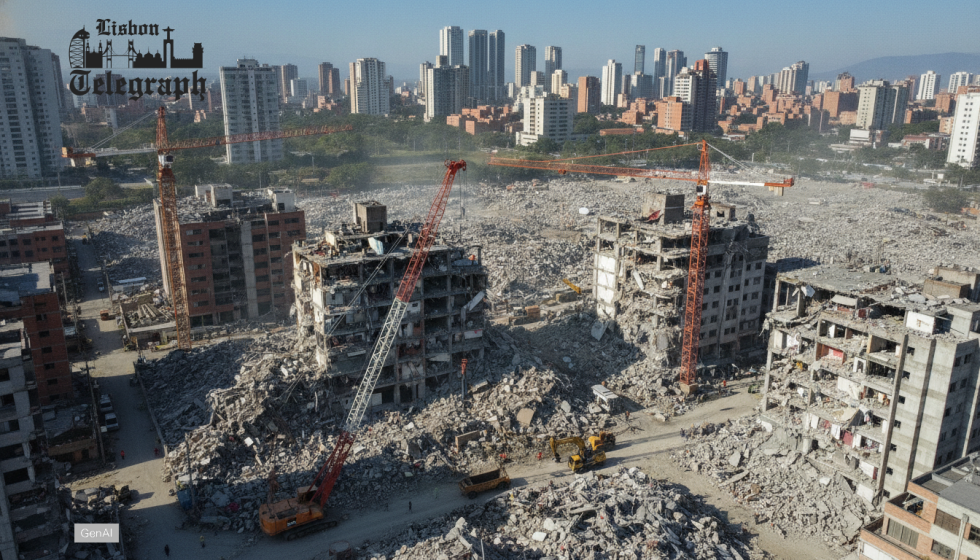
Authorities reported they are conducting technical assessments to quantify losses from destroyed housing, disrupted transport links, and temporary business closures, with early work focused on municipal verification to avoid duplicated claims. Priority repairs are geared towards reopening schools, clinics, and local commerce quickly, while economists watch for potential inflation impacts from supply interruptions and any hit to tax receipts. A cross-portal related read is Pontifical Committee for Historical Sciences Gets New Members. Spending will be audit-friendly against measurable outputs linked to the World Bank aid Colombia discussions. Final loss aggregates will be shared post-verification.
Government response: coordination, procurement, and support
The national government initiated emergency coordination with departments and mayors, focusing on shelter, water access, and rapid repairs to key corridors. Financial-market monitoring, as discussed in Euro Climbs Back and Shakes Up Traders, highlights currency swings impacting imported construction inputs, which officials must factor into rebuilding costs. Procurement is streamlined under emergency rules, while oversight bodies are publishing contract data to mitigate fraud risks. International engagement has been framed officials as complementary to domestic efforts, reallocating budgets for temporary housing and debris clearance. Social protection registries help prioritize support for displaced families.
What comes next for Colombia’s recovery plan
Reconstruction planning is evolving towards sequencing projects to facilitate a credible recovery path rather than scattered projects. Near-term goals include restoring services and transport capacity, while the medium-term focuses on resilient rebuilding to minimize future losses. A senior economic official stated the financing aims to balance concessional support and domestic resources with transparent contracting to maintain debt sustainability. Timelines for priority works will be published once national assessments are complete, and the program could scale as costs are verified and other lenders align with the monitoring framework used in the World Bank aid Colombia package.