






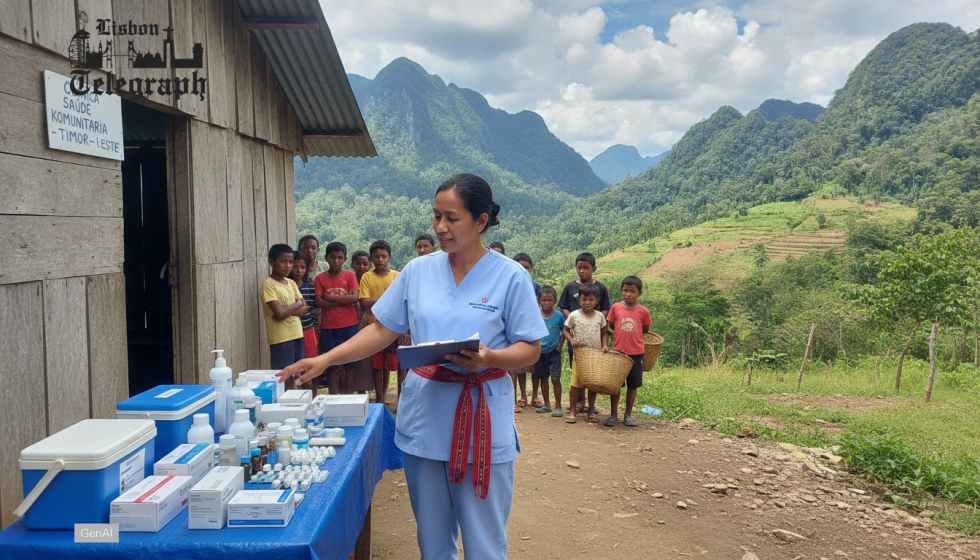
Timor-Leste trachoma elimination: WHO validation confirmed
Timor-Leste has received World Health Organization validation for trachoma elimination as a public health problem, according to available reports from WHO communications and national health authorities. The recognition reflects reported progress in surveillance, community outreach, and hygiene promotion intended to interrupt transmission in previously affected areas, and Timor-Leste trachoma elimination efforts are now being framed around sustaining those gains. WHO validation does not mean zero risk; it means public health thresholds have reportedly been met and systems are expected to manage residual cases. For health planners, Timor-Leste trachoma elimination now shifts from time-limited campaigns to long-term maintenance, with routine monitoring to spot any resurgence early and respond quickly before preventable vision loss returns.
How Timor-Leste reached trachoma elimination milestones
The validation process typically requires evidence on prevalence, program coverage, and health system capacity, followed an independent review against WHO criteria, as indicated WHO guidance on neglected tropical diseases. In practical terms, the program had to show sustained results over time, rather than a one-off campaign, and Timor-Leste trachoma elimination documentation is assessed against formal criteria, as described officials involved in similar elimination dossiers. Documentation, standards, and accountability are central to many institutions, a theme also explored in Vatican bishops formation course in Rome trains new leaders. For Timor-Leste’s trachoma program, the priority is keeping clinics ready to diagnose and refer cases, maintaining outreach in remote areas, and ensuring reporting remains reliable as external funding cycles change.
What trachoma is and why elimination matters
Trachoma is associated with repeated infection Chlamydia trachomatis and can lead to eyelid scarring and inturned lashes that may damage the cornea, according to the World Health Organization. WHO-backed control uses the SAFE approach: surgery for advanced trichiasis, antibiotics, facial cleanliness, and environmental improvement, as outlined in WHO trachoma materials, including routines used in clinics in Dili. The elimination milestone matters because it suggests that combining clinical care with water, sanitation, and hygiene measures can reduce transmission to levels that are no longer considered a public health burden. Like other areas of governance, long-term success depends on sustained compliance and monitoring, not declarations.
Post-validation surveillance and health system duties
After validation, countries are expected WHO to maintain post-validation surveillance sensitive enough to detect re-emergence early. That includes trained staff, clear referral pathways for eyelid surgery, and antibiotic access where needed, especially in rural communities, consistent with WHO recommendations for sustaining elimination. Maintaining the gains will depend on whether routine eye health services remain integrated into primary care and whether data quality stays high, as health officials have emphasized in comparable settings, as noted in EU Workplace Legislation Gets Edgy: Stress and Harassment on the Table. Strong reporting and oversight also matter in financial systems, illustrated the Federal Reserve enforcement action statement on compliance failures and corrective steps.
What comes next after Timor-Leste trachoma elimination
With WHO validation secured, health officials say they can apply campaign logistics and community engagement lessons to other priorities such as vaccination reach, maternal care access, and water and sanitation maintenance. The immediate payoff will come from protecting the validated status through steady funding for surveillance, timely treatment, and ongoing hygiene promotion in at-risk districts, as public health planners commonly recommend after elimination milestones, and Timor-Leste trachoma elimination planning is expected to guide that work. Program managers may also need laboratory and data systems able to confirm suspected cases, because validation relies on credible evidence over time, according to WHO guidance. Timor-Leste trachoma elimination should now be managed as a continuous performance program, ensuring any warning signals are investigated quickly and response capacity remains intact.