





Portuguese natural disasters: Government declares wildfire catastrophe
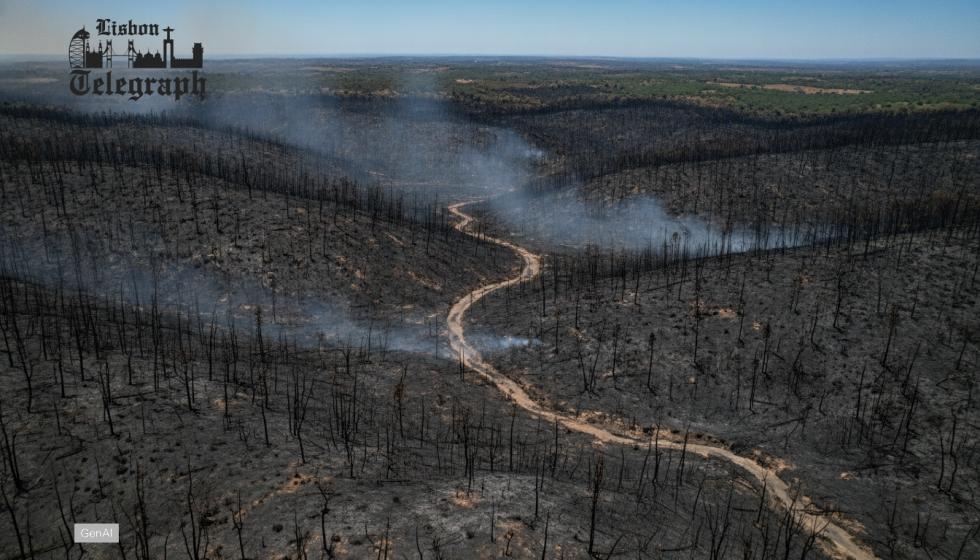
Portuguese natural disasters are at the center of Portugal’s response after the Council of Ministers reportedly classified the July and August wildfires as a natural catastrophe, according to available reports. The decision is expected to affect how public support is triggered, coordinated, and verified across ministries, municipalities, and affected residents, within the wider challenge of Portuguese natural disasters. Officials have indicated the classification is meant to recognize the scale of losses and activate legal mechanisms for assistance, including faster assessment pathways and clearer eligibility rules. The measure is also described the government as setting documentation standards and deadlines for local entities seeking reimbursement. Implementation now shifts to operational guidance that will determine which damages qualify, how claims are submitted, and how quickly support can reach communities managing immediate safety risks.
€10 million recovery envelope and oversight rules
According to available reports, there are indications from government statements that the Council of Ministers set an initial €10 million envelope for stabilization and early reconstruction; details on timing and disbursement are expected to depend on subsequent implementing guidance. For additional context on how environmental pressures intersect with fiscal capacity, the UN Environment Programme outlines constraints in its Global Resources Outlook 2024. Oversight has been described as involving the Ministry of Finance alongside sectoral ministries, although the specific audit model has not been published in the text referenced the article. A related discussion of how institutions communicate timelines and controls appears in Vatican aid to Ukraine funds a solidarity kitchen. Municipalities are expected to submit damage lists with supporting documentation, with verification checks intended to limit fraud and improve traceability from approval to payment, as officials have said. Officials described the €10 million as an initial tranche, with further decisions reportedly tied to validated assessments.
Regional impacts and municipal capacity to claim support
In burned regions, municipal leaders have reportedly argued that recovery should cover damaged rural infrastructure, disrupted livelihoods, and the cost of restoring essential services. Policy debates on climate stress and response planning in Portugal are also reflected in Portugal urges COP17 to prioritize drought response. The government has said the catastrophe status is intended to improve coordination of debris removal, slope stabilization, and targeted support for forestry- and agriculture-dependent local economies. Separately, household cost pressures that can affect recovery resilience are discussed in Lisbon Student Rent Costs Surge, Squeezing Budgets. Within the wider challenge of Portuguese natural disasters, smaller municipalities may struggle to compile complete claims that meet national standards and pass verification requirements, based on concerns raised local officials and analysts. Local staffing constraints remain a factor in how quickly approved funding can translate into visible repairs.
Funding bottlenecks: verification, eligible costs, and timing
A major hurdle is sequencing: verifying damage, approving eligible expenses, and paying claims quickly enough to prevent longer economic scarring, as municipal associations and public-administration observers often note after major fires. The government has reportedly said the €10 million package is meant to support rapid action, but delivery still depends on documentation and controls that can slow smaller applicants and volunteer-led associations. In practice, disaster recovery in Portugal can expose gaps between national announcements and local delivery when procurement rules, staffing shortages, or unclear definitions of eligible costs delay payments, according to past assessments cited local commentators. The Council of Ministers has emphasized accountability, which typically involves checks finance and inspection bodies before reimbursements are released, though the exact bodies and workflow have not been detailed in the statements available. Another risk is overlap with other support lines, requiring coordination to avoid double funding. Clear written guidance on evidence requirements will be a key determinant of whether wildfire recovery reaches households and local operators promptly.
Prevention measures linked to future disaster funding
Alongside recovery, officials have pointed to prevention as a parallel priority focused on land management, fuel reduction, and stronger coordination during high-risk periods, according to available government messaging around Portuguese natural disasters. The Council of Ministers has linked catastrophe recognition to improved planning so future responses are less improvised and less financially disruptive, though the specific measures will depend on follow-up policies and budgets in Portugal. In practice, prevention typically requires predictable multi-year budgets rather than one-off allocations, and it depends on enforcement capacity in rural areas where risk accumulates, as forestry experts and local governments frequently argue. The government aid discussion is therefore shifting toward structural measures that reduce exposure, including maintenance of forest mosaics and safer interfaces between settlements and woodland. Disaster funding that rewards resilience investments can lower later emergency costs, but policy design and reporting will need to be transparent to maintain public trust and sustain support for prevention.