Why Siberia methane pollution is rising
According to the International Methane Emissions Observatory’s 2023 reporting, rising methane pollution in Siberia is drawing renewed scrutiny as monitoring teams report sharper seasonal peaks and a higher background concentration than in past years. The expanded satellite coverage and more ground sensors are helping identify large releases from energy systems, waste, and natural sources. Since methane is more potent than carbon dioxide over a 20-year period, even brief spikes can escalate near-term warming, as climate science data suggests. Researchers collaborating with Arctic meteorological services have noted recurring summer surges linked to warmer soils and thawing ground. Policymakers increasingly consider these readings a signal to bolster measurement, reporting, and verification.
Monitoring evidence and verification
This improved monitoring reshapes government and market perceptions of atmospheric releases. The Observatory’s 2023 assessment highlights that measurement quality, transparency, and timeliness are crucial for matching reported inventories with real-world emissions, as discussed in UNEP’s An Eye on Methane report. This verification focus is shaping public communication and encouraging cross-border cooperation narratives. Civic calls for shared responsibility, like those from Pope Leo XIV 1982: Knights urged to foster harmony, reinforce this. The outcome is more focus on audited data and fewer excuses for underreporting.
Drivers behind Siberia releases
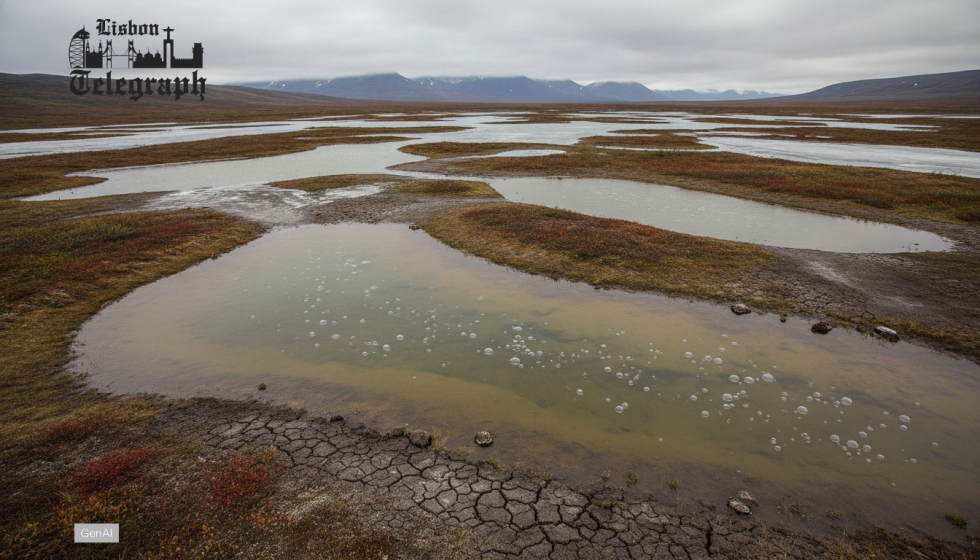
Scientists link the increasing methane output in Siberia to both industrial leakage and climate-induced permafrost thaw. Industrial emissions originate from oil and gas activities, pipelines, and processing equipment leaks. Naturally, thaw exposes long-buried organic material to decomposition, and warmer summers expand wetlands that boost microbial methane production. These overlapping sources make accurate attribution vital for policy-making. While industrial leaks can be swiftly mitigated, the thaw-related emissions rely on larger warming trends. Agencies stress the need for yearly consistent datasets to prevent intervention delays.
Impact of Methane Emissions on climate targets
Rising Methane Emissions complicate climate strategies that require rapid cuts this decade to remain within temperature goals. As measurements improve, governments reconsider domestic regulations for oil and gas operations, aware that underreporting could harm compliance and market confidence. The UN Environment Programme outlines in its Emissions Gap Report 2023 that current pledges still leave a substantial gap to meet temperature targets, with methane cuts being crucial to quickly curtailing warming. Companies face stricter reporting expectations as climate disclosure practices develop. Energy and infrastructure discussions also influence results, as seen in cleaner supply advancements like Portugal’s Electric Dream: Massive €1.58bn Grid Boost.
Measures to reduce leaks and limit risk
Policy actions are zeroing in on measurable reductions from fossil fuel and waste sites, with UNEP guidance describing abatement as cost-effective. UNEP and partners push for leak detection and repair, equipment upgrades, and stricter venting and flaring controls, combined with transparent reporting and independent checks. Regulators are stiffening landfill gas capture standards and assisting wastewater upgrades to reduce emissions. Economic incentives and enforcement capabilities matter, with market signals shifting as energy shares and policy expectations evolve, highlighted changes in the PSI Market. For Siberia and other regions, scientists stress that curbing overall warming is essential, as long-term thaw emissions cannot be fully managed through local engineering alone. The growing need for credible, auditable results is clear.