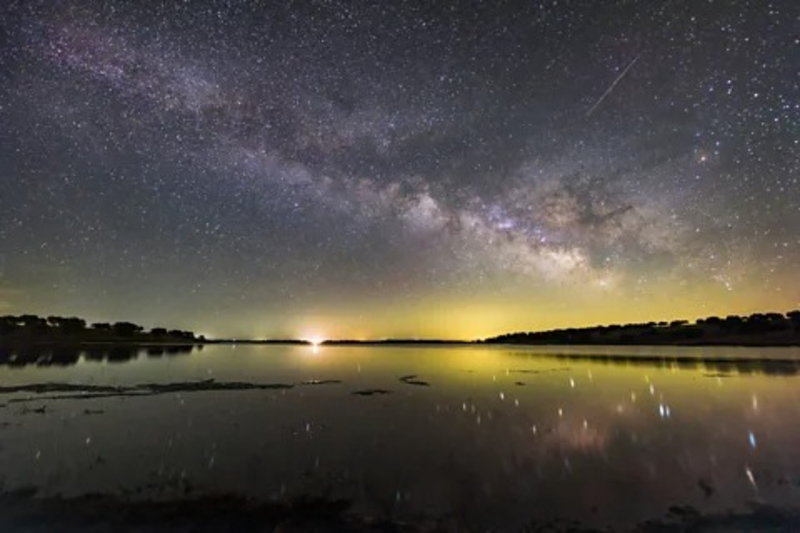
Portugal is gaining attention among astronomy enthusiasts as one of Europe’s best destinations for stargazing, with the Alqueva Dark Sky Observatory ranking among the continent’s leading locations for observing the night sky. Europe hosts 31 of the world’s 122 officially recognized International Dark Sky Parks, reflecting a growing movement to protect natural darkness from urban light pollution. Within this landscape Portugal has emerged as a notable destination, with the Alqueva region offering clear skies and minimal artificial light. The area’s ranking among Europe’s top stargazing spots highlights the country’s expanding role in astrotourism and nature focused travel experiences.
Recent research evaluating stargazing destinations across Europe examined factors such as sky darkness, cloud coverage, accessibility and overall travel appeal. The analysis placed Alqueva among the top locations on the continent, ranking eighth overall and becoming the highest ranked site outside the United Kingdom and Ireland. Experts say the region’s combination of open landscapes, favorable climate and limited light pollution creates ideal conditions for observing celestial events. These characteristics make Alqueva attractive not only to amateur stargazers but also to experienced astronomers seeking clearer views of the night sky.
Located in Portugal’s Alentejo region, the Alqueva Dark Sky Reserve has become one of the most important protected night sky areas in Europe. The reserve spans more than three thousand square kilometres and is recognized as the largest certified Dark Sky Reserve on the continent. Visitors traveling to the region can participate in guided night sky tours, astronomy workshops and educational experiences that explore constellations, planets and distant galaxies. The site has also been recognized internationally as one of the world’s first Starlight Tourism Destinations, reinforcing its reputation as a place where natural darkness is carefully preserved.
Tourism specialists note that interest in astronomy themed travel has grown significantly in recent years as travelers search for unique outdoor experiences. Stargazing tourism allows visitors to connect with nature while learning about astronomy through guided observation sessions and telescope based viewing activities. In Alqueva visitors can join private sessions led astronomers who explain how to locate Polaris identify constellations and observe celestial objects such as nebulae Saturn and the Moon. These experiences combine scientific education with the tranquility of rural landscapes far from city lights.
Accessibility has also played a key role in the region’s popularity among travelers. Unlike some remote astronomy locations that require complex travel planning, the Alqueva reserve can be reached easily road from major Portuguese cities including Lisbon and Faro. This accessibility allows visitors to combine daytime cultural tourism with nighttime astronomy experiences in a single trip. Tourists often spend the day exploring historic villages vineyards and natural landscapes before participating in evening stargazing sessions that reveal the clarity of the region’s dark skies.
Industry observers say the rise of astrotourism reflects a broader shift in travel preferences toward meaningful and immersive experiences. Travelers increasingly seek destinations that offer both natural beauty and educational value. Stargazing sites like Alqueva meet this demand combining environmental conservation with tourism development. Experts also note that preserving dark skies benefits scientific research biodiversity and community tourism while offering visitors rare opportunities to observe the universe without the interference of urban lighting.
Tourism officials in Portugal view the success of Alqueva as part of a broader strategy to diversify the country’s tourism sector beyond traditional coastal destinations. promoting rural landscapes cultural heritage and nature based experiences Portugal is attracting travelers interested in slower and more reflective travel. As awareness of light pollution grows worldwide protected dark sky reserves are expected to become increasingly valuable tourism assets. The continued recognition of Alqueva among Europe’s leading stargazing destinations reinforces Portugal’s position within this emerging global travel trend.