






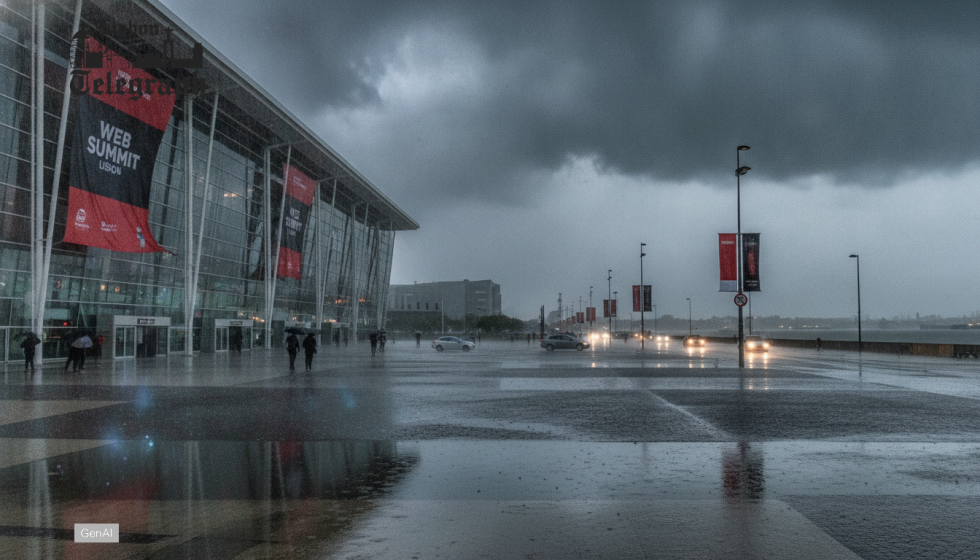
Web Summit storm impact as Charles hits Lisbon
According to reports, Storm Charles is believed to have brought high winds and heavy rain to Lisbon, affecting movement between venues, hotels, and meeting points, according to attendee accounts shared during the disruption. Some visitors reported delayed taxis and slower public transport as crews prioritized safety and route clearance. City services reportedly issued guidance urging caution, while some businesses adjusted opening hours and staffing to limit risk. With conditions changing quickly, many visitors chose to pause non-essential movement and wait for official updates before attempting venue travel. Beyond the conference timetable, knock-on effects were felt across logistics such as transfers, deliveries, and on-site setup, especially around Parque das Nações.
Day two shutdown and attendee disruptions
Organizers said day two was shut down due to severe weather and operational constraints at and around event sites. In a related snapshot of how institutions tighten controls when safety and compliance are at stake, a separate policy briefing on School phone ban: England moves to stricter rules highlights how quickly rules can change under pressure. The move forced rapid changes to meetings, product demos, and press schedules, with some teams shifting to video calls and others consolidating agendas into later days. Across central Lisbon, some travelers also reported delayed transfers and staggered hotel checkouts as access and routing remained uncertain, adding to the broader Web Summit storm impact for international delegations.
Official responses and safety guidance
Event updates were pushed through official channels, with repeated instructions to follow municipal and national civil protection guidance, organizers said. Messaging focused on minimizing non-essential travel, monitoring route conditions, and using only confirmed transport options. Readers tracking the wider context followed earlier reporting at Storm Charles: Portugal’s Fiery Response to Looming Tempest. While organizers did not publish detailed figures on damage or service interruptions, they said conditions and access limitations made a full day of sessions impractical. As a result, networking reportedly shifted toward smaller indoor meetings close to hotels, and many teams revised travel timing to reduce exposure while disruptions continued across the city.
Planning lessons for Lisbon conferences
Large events in Lisbon may revisit contingency planning that assumes predictable city mobility, particularly when wind and rain can change staffing and access within a short window. Contract terms, insurance triggers, and backup venue options become more central when even short closures ripple across packed schedules. A wider resilience mindset is also informed how tech platforms respond to sudden disruption, including the case detailed the BBC in Lego marketplace BrickLink offline after ‘unusual activity’ detected. Within that planning cycle, the Web Summit storm impact can serve as a reference point for building redundant communications, confirming alternate routes, and clustering critical sessions into formats that can switch between in-person and remote without major losses.
What happens next for travel and operations
For participants and organizers, the immediate priority after a weather shutdown is restoring predictable movement: confirming which routes are open, which services are reliable, and which schedules are realistic, based on official updates as they are released. Looking ahead, Lisbon’s conference infrastructure continues to evolve, including transport planning discussed in Lisbon Metro boosts capacity for Web Summit 2026 rush, as organizers adapt to reduce disruption when extreme weather returns. Operators increasingly treat severe weather as an operational variable, setting earlier go or no go decision points and clearer thresholds for pausing programming when transport access degrades. Clear, consistent communication across apps, venue signage, and hotel briefings can reduce improvisation and help visitors avoid unnecessary risk.