





Portugal housing protests draw crowds over rents and prices
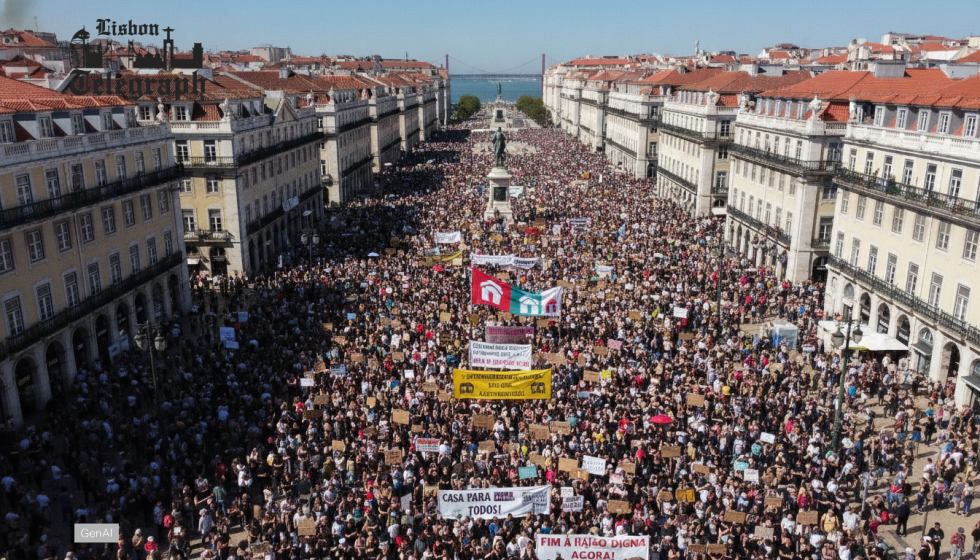
Massive throngs filled central avenues in Lisbon and Porto, as citizens hit the streets in outrage over skyrocketing housing costs. Passionate demonstrators waved banners demanding rent controls, speedier permits, and homes that don’t break the bank. According to ABC News, tens of thousands rallied, marking these as some of the heftiest housing protests in recent memory. Organisers noted these gatherings mirror the skyrocketing rents and home prices outpacing income, as they beseeched lawmakers to address the housing crisis with urgency. City authorities scrambled to redirect traffic and manage road closures. Unions and neighbourhood teams set up strategic meeting spots, speaker platforms, and volunteer marshals to keep the action flowing smoothly.
Who is being squeezed the housing crisis
Families and young professionals voiced their struggles with being priced out of areas close to work, schools, and public transport, with soaring house prices stalling life plans. According to ABC News, protesters linked the housing squeeze to mounting pressure on tenants, spiralling mortgage bills, and fierce competition for scant housing in tourist hotspots. Among the marchers, some flagged contentious policies like Welfare shake-up backed ministers to cut risks, while others spoke about the stress of general living costs. Concerns echoed that trust in institutions is eroding due to slow responses, with organisers highlighting the need for better orchestration in places like Lisbon and Porto. Protest marshals kept urging the crowds to ensure routes remained accessible for emergencies.
Government response and demands from organisers
Ministers defended the existing framework while admitting that supply limitations and bureaucratic delays are acknowledged threats to new projects. As reported ABC News, calls for bolder government moves, like curbing speculative investments and boosting public housing, are on the rise. Organisers called for swift action that genuinely reaches renters and first-time buyers, emphasizing the need for more than just empty promises. Discussions about infrastructure broadened to cover commuting costs and capacity, spotlighted projects like Lisbon Metro boosts capacity for Web Summit 2026 rush. Demonstrators outside parliament vowed to keep up the pressure, advocating for cross-party support to prevent policy reversals thwarting construction and investment. Dialogue with municipal councils and landlord associations was stressed as critical for progress.
Why prices rose: short rentals, investment, slow building
These protests signal deeper shifts in residence patterns and affording capabilities, with street activism honing in on immediate price challenges. Protesters and local groups decried the impact short term rentals, foreign investments, and sluggish construction cycles have with employment clustering along the coasts. ABC News pointed out the protests spotlighted the widening gap between property owners and those plagued never-ending rent hikes. In the capital, community associations criticised lengthy daily commutes from less pricey suburbs that heap time and cost burdens onto workers. Municipal voices defended planning rules and infrastructure limits as barriers to fast-track development, while tenant advocates argued for expedited public construction.
What happens next: solutions discussed and further marches
Determined organisers plan continued pressure for concrete measure commitments, like swifter licensing, long-term rental motivators, and beefed-up municipal housing funds, ensuring marches stay peaceful yet persistent. ABC News shared that protesters desire laws protecting at-risk tenants and making homeownership feasible, without hamstringing small landlords. Experts tend to agree that easing this crisis requires boosting housing supply alongside fortifying tenant rights, as unresolved supply will only prolong the problem. Activists stressed that Portugal’s housing protests aim to keep residential issues at the forefront of national policies, echoing calls for enhanced transit for access to affordable living. The role of infrastructure in shaping personal budgets and reducing commute times from Lisbon outskirts to urban job centres was underscored.