






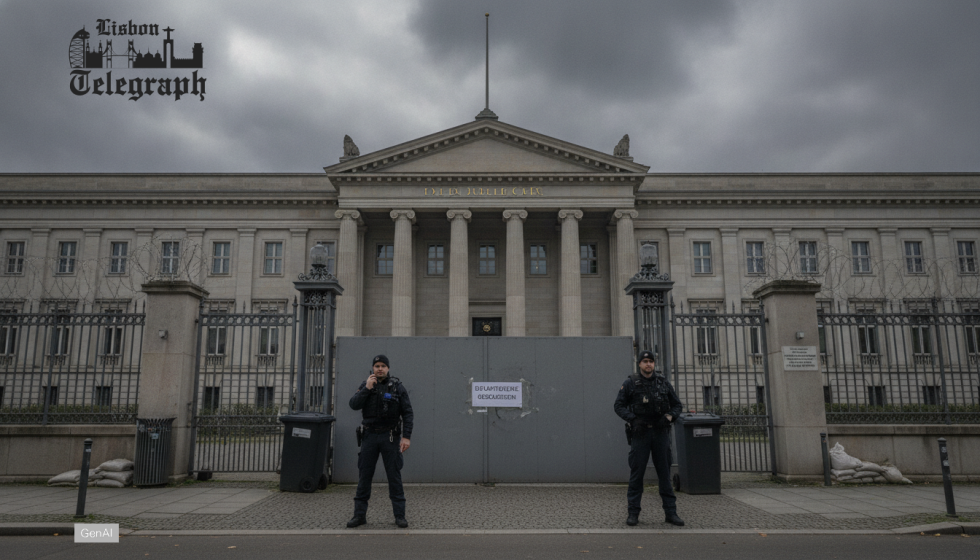
Bonn consulate closure adds to diplomatic strain
Germany-Russia relations took another hit as Berlin booted the Russian consulate office in Bonn, based on what the German Foreign Office shared. This decision, officials mentioned, involves formal notifications under standard consular procedures and reflects concerns about reciprocity and security. The move is intended to tighten Russia’s diplomatic footprint in Germany and shuffle consular functions to other permitted Russian outposts. With existing mutual staffing restrictions and limited access, the diplomatic landscape is becoming more fraught. The closure is expected to add stress to regular consular work for citizens and businesses, while Berlin warns that the remaining missions will face increased scrutiny.
How Germany says the decision will be implemented
German officials cast the closure as an administrative step sparked growing security and reciprocity issues, unfolding over recent years, as per government comments. For a glimpse into such administrative maneuvers, see a case on service requirements NFT legal service: courts test airdrops for papers. Germany plans to reorganize consular services, though fewer locations might stretch wait times. Berlin is also upping its counterintelligence at remaining offices as tensions rise.
Drone incident raises security questions
The consulate drama plays out alongside a drone dispute—German officials say it raises security flags near sensitive zones. Citing Deutsche Welle, spokespeople push for harsher accountability measures when drones hover near critical infrastructure, linking this to broader diplomatic tensions. A related discussion among European officials referenced international norms on risk reduction, echoing UN disarmament calls in a UN News briefing, Every step towards disarmament matters, nuclear testing survivors warn. Berlin says any probe will follow local procedures, with accusations needing solid proof, according to the same source. Analysts, as noted in German media, claim Germany-Russia ties are framing these incidents within a bigger security picture.
Moscow’s reaction and consular impacts
Moscow might retaliate following Berlin’s move, portraying the closure as unfriendly and politically loaded, says Russia’s Foreign Ministry. The response, they assert, would be carefully considered, potentially targeting German diplomatic avenues in Russia, nodding to familiar tit-for-tat diplomatic dances. German officials publicly hint at potential reciprocal constraints, acknowledging risks and warning that any backlash might hinder handling consular affairs for families, students, and businesses. Berlin emphasizes maintaining established diplomatic communication channels to prevent any missteps.
What the closure signals for German-Russian ties in Europe
European allies may view this act as part of a larger narrative of diplomatic downsizing between Russia and the West, per German officials. In briefings through EU and NATO channels, they plan to highlight the legal grounding for shutting down the consulate to avoid misunderstandings. While some governments might see this as essential for security, others might worry about the precedent it sets for future crises. Analysts in German media suggest Germany-Russia relations are entering a more transactional era, focusing solely on unavoidable interactions. Future developments will depend on whether any reprisal seems more symbolic or concretely impacts services for those straddling the two systems.