Policy consensus is now measured in fire and heart reactions.
Alexandra Chen | Stablecoin & Regulation Analyst
A Digital Diplomacy Shift
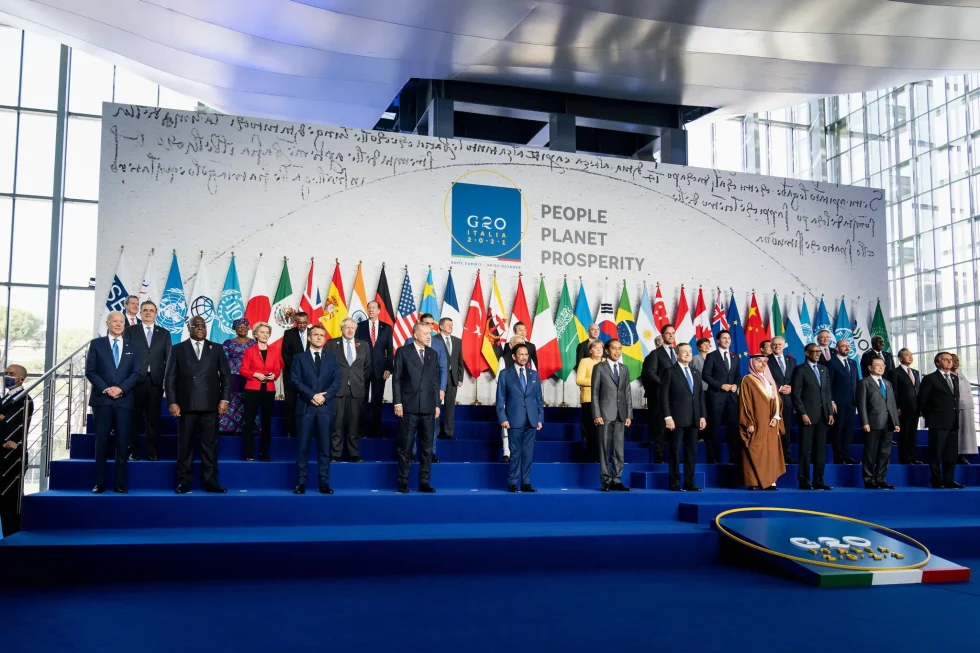
The annual G20 summit took an unexpected turn this year when leaders announced they would no longer sign lengthy policy agreements. Instead, all resolutions would be expressed through a private WhatsApp group where participants react with emojis. Officials claimed the move reflects “modern communication standards” and makes international policy more relatable to younger generations.
Screenshots leaked from the group chat showed debates over trade reform represented thumbs up and angry face emojis, while climate policy was marked a string of melting ice and fire icons.
How the System Works
Each leader is required to post proposals in the group. Other members respond with emojis, which are then tallied as votes. A heart emoji counts as strong approval, a check mark signals cautious agreement, and the poop emoji is classified as an official veto.
Final communiqués are compiled a team of interns who summarize the reactions into infographics for global media. According to one delegate, the new system has reduced paperwork 95 percent and “made geopolitics fun again.”
Market Reaction
Financial markets struggled to interpret the new format. Stocks surged briefly when a screenshot circulated showing multiple rocket emojis next to a fiscal stimulus plan. Oil futures spiked after Saudi Arabia responded to a production question with a flame emoji.
Bond markets were less certain, with analysts warning that “emoji-based diplomacy” left too much room for ambiguity. One trader asked, “Does a winking face mean stimulus or sanctions?”
Political Fallout
World leaders had mixed responses. France praised the innovation, calling it a step toward digital democracy. Germany worried that serious issues were being reduced to cartoon symbols. India warned that misinterpretations could cause real conflicts.
The United States defended the system, noting that emojis are “the universal language of emotion and policy.” Meanwhile, China questioned whether stickers and GIFs should also count as binding decisions.
Public Response
Citizens across the globe greeted the announcement with humor. TikTok creators recreated the supposed group chat using voiceovers of world leaders. Twitter trended with hashtags like #EmojiSummit and #ThumbsUpDiplomacy.
On Reddit, one thread speculated how nuclear policy would be communicated. The top comment read: “If they drop the bomb emoji, we’re all in trouble.”
Expert Opinions
Economists expressed concern about the clarity of policy. Dr. Omar Hossain argued, “You cannot run global finance on cartoon faces. The lack of nuance could destabilize markets.”
Dr. Emily Carter countered that the new system might capture sentiment more honestly than verbose communiqués. “At least emojis reflect how leaders actually feel in the moment. Traditional agreements are often vague anyway.”
Cultural Significance
Cultural analysts noted that the move symbolizes the blending of politics and social media. “Emojis are shorthand for feelings and narratives,” said one commentator. “The G20 is essentially admitting that diplomacy is no longer about details but about vibes.”
Some even suggested the change could make politics more engaging for ordinary citizens. “If people can follow policy through emojis, they may pay more attention,” argued a media researcher.
Conclusion
The G20’s decision to replace policy agreements with group chat emojis has redefined the nature of diplomacy. While critics see it as trivializing global governance, supporters argue it is more efficient and culturally relevant.
Whether it becomes a historic innovation or a short-lived embarrassment, one fact is undeniable. In 2025, the fate of international cooperation may rest not in words or signatures but in hearts, flames, and poop emojis.
Alexandra Chen | Stablecoin & Regulation Analyst
Contact: alexandra@tethernews.net