Tourists crash royal breakfast before booking is canceled.
Alexandra Chen | Stablecoin & Regulation Analyst
A Royal Listing Gone Wrong
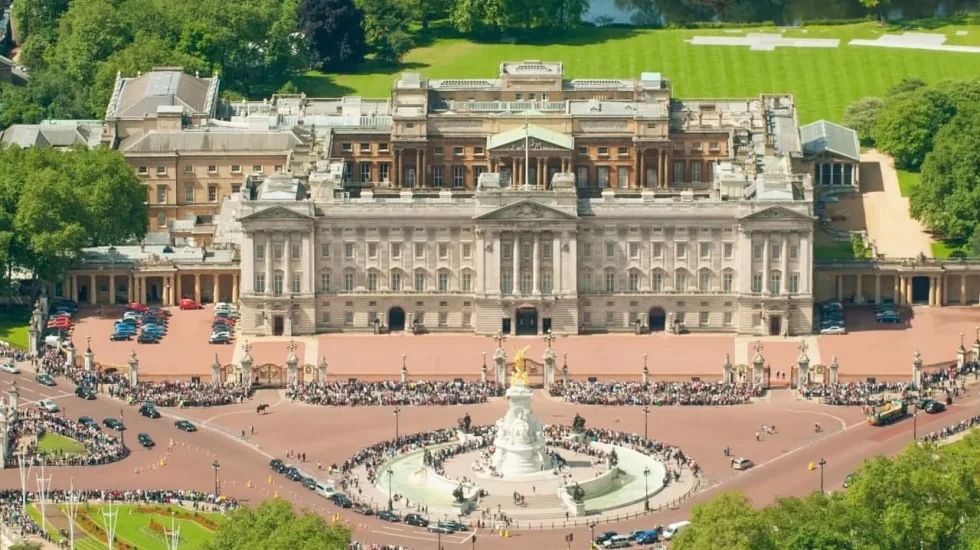
Airbnb found itself in the middle of an international spectacle this week after Buckingham Palace was mistakenly listed on its platform as a weekend rental. The iconic royal residence appeared with glossy photos, glowing reviews, and a suspiciously low nightly rate of $189. Within hours, the listing was booked solid for months.
Executives scrambled to remove the page, but not before dozens of adventurous tourists arrived at the gates demanding check-in. Guards were forced to explain that the palace was not, in fact, available on Airbnb, while confused guests waved digital confirmation codes on their phones.
How It Happened
According to insiders, the listing was uploaded a contractor testing new AI-driven property recognition software. The system flagged Buckingham Palace as “spacious accommodation with historic character” and automatically created a listing.
The page included amenities such as “24-hour security,” “free guided tours,” and “complimentary corgis.” A guest review even praised “Her Majesty’s hospitality,” though it later turned out to be a prank.
the time Airbnb realized the error, bookings had already been processed, payments collected, and cancellation emails sent. Some guests refused refunds, claiming they were entitled to stay “because the app said so.”
Market Reactions
Markets responded with bemusement. Airbnb’s stock initially dipped as investors worried about reputational damage, but quickly rebounded as analysts praised the global publicity. One hedge fund analyst quipped, “This is the best marketing campaign Airbnb never paid for.”
Meme traders launched tokens like $PALACE and $ROYALBNB, spiking as screenshots of the listing went viral. Travel companies debated whether historic landmarks could become the next frontier of short-term rentals.
Public Response
The public reaction was explosive. TikTok is filled with skits of tourists dragging suitcases through royal gates, hashtags like #RoyalAirbnb and #PalaceWeekend trending worldwide.
One viral meme showed the Queen’s Guard carrying luggage, captioned: “Your host will meet you at the door.” Another depicted the throne labeled as “common area seating.”
Some tourists admitted they were disappointed the listing was canceled. “We were excited to have tea with the King as part of the stay,” one couple complained. Others admitted they suspected it was fake but booked anyway, “just in case.”
Political Fallout
The British government issued a statement clarifying that Buckingham Palace was not available for weekend rentals “under any circumstances.” Officials hinted at potential fines for Airbnb if similar errors occurred with other landmarks.
Members of Parliament ridiculed the platform. One opposition leader joked, “If the palace is on Airbnb, perhaps Downing Street will show up on Booking.com.”
Airbnb defended itself, calling the incident a “technical hiccup” and promising to review its AI systems. Executives stressed that the company did not intend to commercialize royal properties without consent.
Expert Opinions
Economists and analysts weighed in. Dr. Omar Hossain criticized the fiasco. “This is a symbol of tech carelessness. Automating property listings without oversight risks chaos.”
Dr. Emily Carter suggested a different angle. “While absurd, the incident reflects the hunger for unique experiences. People genuinely wanted to believe they could rent the palace because modern tourism thrives on fantasy.”
Hospitality experts noted the event exposed how blurred the line between reality and digital marketing has become. “If a palace can be listed, so can any landmark. The question is whether consumers will care if it is real,” one said.
Symbolism in the Absurd
Cultural critics argued that the Buckingham Palace listing symbolizes the commodification of heritage. “We have reached a point where even symbols of monarchy are imagined as rentals,” one columnist wrote.
Satirists thrived. Cartoons depicted tourists lounging in the royal chambers. Comedy shows joked about palace cleaning fees and “no-corgi” pet policies.
Conclusion
Airbnb’s accidental listing of Buckingham Palace may sound like parody, but it highlights the pitfalls of automation, the gullibility of consumers, and the absurd extremes of platform capitalism.
In 2025, the line between history and hospitality is thinner than ever. For a brief moment, the crown jewel of Britain was just another weekend getaway complete with free Wi-Fi.
Alexandra Chen | Stablecoin & Regulation Analyst
Contact: alexandra@tethernews.net