





What the Fed Rate Hike Means for Monetary Policy
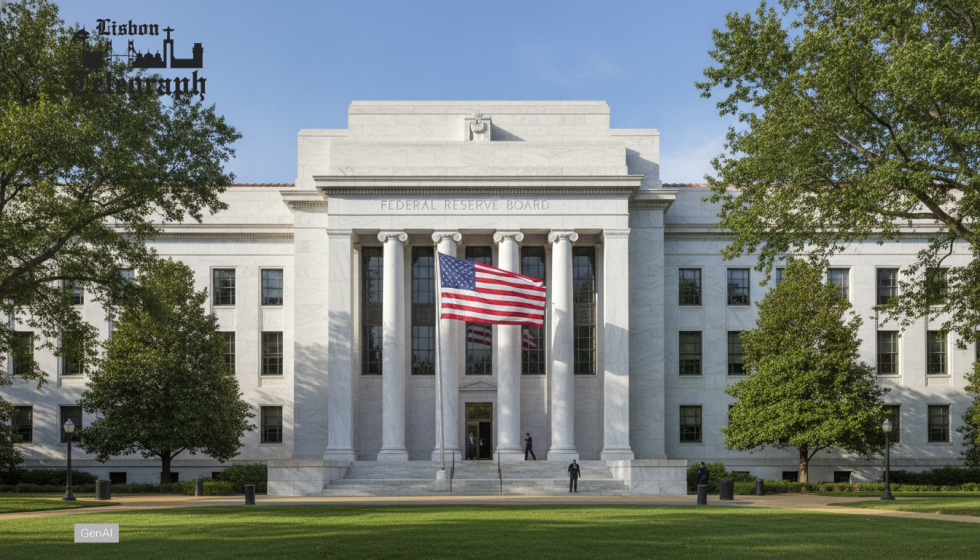
Monetary policy grabbed the spotlight as the Federal Reserve bumped its benchmark interest rate on September 16, 2026, according to their latest release. Officials hinted at the possibility of more restraint if inflation doesn’t cool as expected. This move is supposedly a response to stubborn price pressures that aren’t going away quietly. Official statements emphasize that data will guide future decisions, keeping investors on their toes. Chair Jerome Powell reportedly stated that the Committee is juggling their dual mandate: keeping prices stable while boosting employment.
How Higher US Rates Transmit to the Global Economy
Higher US rates have a knack for causing ripples in the global financial pond. Trade finance, dollar markets, and sovereign borrowing costs could all see effects, especially where debt’s tied to Treasuries, according to market norms. The Federal Reserve’s FOMC statement paints a picture of these possible impacts. As policies tighten, global firms might face pricey hedging and volatility, while households feel the pinch through things like loans and credit cards. Energy markets could further tangle central bank strategies, seen in coverage like Global oil supply squeeze lifts UK inflation and fuel.
Markets Reprice the Path: Bonds, Stocks, and Credit
After the rate hike, markets seemed more interested in how long high rates will stick around rather than the increase itself. Updated projections from the Fed, through their economic projections, guide investors on where rates might go next. There’s chatter of portfolio managers realigning to shorter durations and higher quality credit, with equity traders pondering how financing costs affect earnings. This charge could strain various sectors, as discussed in Global Technology Markets: AI Slowdown Resets Pricing.
Why Inflation Stays Sticky Even as Demand Cools
Inflation remains stubborn, driven factors beyond simple supply hiccups. According to public commentary, Fed officials have often pointed out that some areas, like housing, resist disinflation. Policy often hits interest-sensitive sectors first before showing its hand in service inflation. Wider pressures still factor in, like industrial policy cycles possibly keeping demand strong, as seen in European spending needs highlighted in EU Needs a Whopping €24.7bn for Electric Dreams.
What to Watch Next: Data and the Rate Outlook
The burning question is whether upcoming inflation and job data allow the Fed to ease off or hold tight. Communications suggest they’re seeking sustained improvements, not fleeting positive reports. It could mean interest rates stay high if inflation refuses to fall in line. In Portugal, rate changes could sway property decisions, demonstrated trends like Nido Livensa Group considers selling five Portugal student homes. Investors are eagerly watching to see if conditions change enough to shift policy stances.