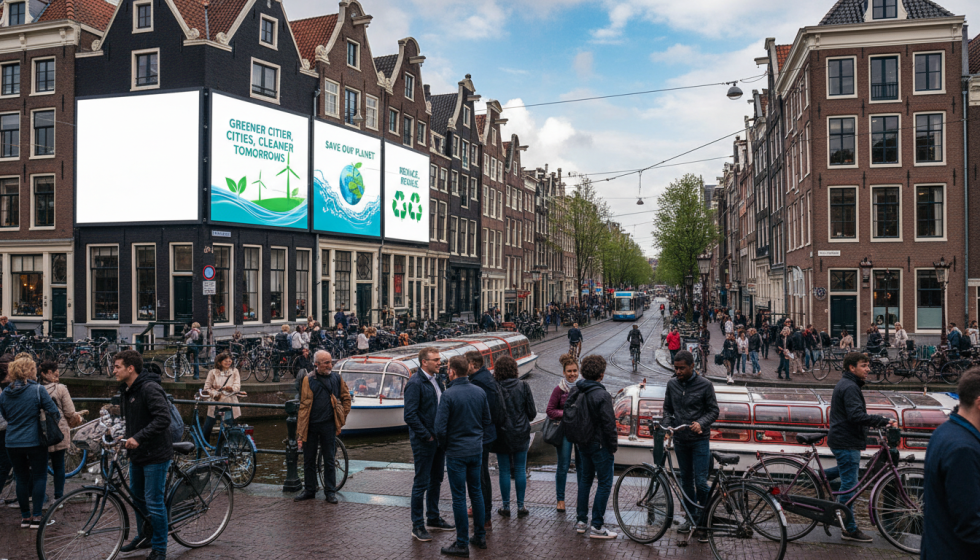
Amsterdam’s Advertising Revolution
Amsterdam has gone and done it—new restrictions on public advertising are reshaping the entire city’s landscape. Today, the local government has laid down the law: no more meat and fossil fuel ads in municipal spaces, like street furniture and transit stops. This isn’t just a fad or a gimmick; officials are presenting it as a solid strategy for tackling climate and health issues. A timetable for rolling this out is in motion, letting contractors and media buyers prepare for the switch. Compliance checks will be part of the deal, embedded right into existing contracts, handled city departments tussling for a more sustainable future.
Businesses Brace for Impact
With the new rules lurking, advertising agencies and local businesses are scrambling to rethink their strategies; where you can position your ads matters like never before. For those keeping tabs on trends, see what’s happening with Bitcoin ETF outflows momentum today—it shows how quickly policy can send shockwaves through the market. Companies are revamping their ad plans at the booking stage, and some might even ditch public spaces for private channels. Others are playing with their product messaging to fit within the new constraints. It’s not a full-on ban across the board; the city’s focus remains on public sector advertising.
Environmental Objectives Front and Centre
What’s driving this astringent shift? The city’s own environmental targets. Officials reckon that advertising funded the city shouldn’t give a leg-up to anything that puffs up emissions. They’ve even referenced the UN Environment Programme’s assessments, like the UNEP Emissions Gap Report 2023, to bolster their case. Fossil fuel advertising could become the poster child for how municipal ad placements can align with transport and energy reforms already in the pipeline. Watch out for updates that address grey areas, like hybrid services or branding that skirts direct fuel usage. There’s also a plan for live monitoring to ensure compliance is as tight as a drum.
Industry and Public Feedback
The industry isn’t all claps and cheers. Trade groups representing outdoor media have taken issue, warning that this legislation might create unpredictable hurdles for advertisers and lead to skewed rules between public and private spaces. City spokespeople maintain that these regulations are strictly for municipal ads—it’s a question of maintaining procurement discretion. If you’re curious about how public decisions can shake things up, check out Israeli strikes test fragile ceasefire. Public opinion seems divided, with some applauding the city for cutting down on meat product ads in family-friendly spaces, while others scream government overreach. The local council is buzzing with debate, pushing for clearer guidelines and appeals processes.
The Path Ahead for Environmental Policy
As the city gears up for the next phases, contract managers and ad operators are on the chopping block for new guidelines, ensuring upcoming booking cycles reflect these fresh standards. The Amsterdam advertising ban will be under scrutiny after its initial enforcement; the municipality promises to review compliance rates and any fallout in other marketing channels. Keep an eye out for forthcoming updates, which are likely to provide clearer examples for food ads, sponsorships, and purely branded campaigns. Data from city ad partners might even shed light on just how much unwanted content is getting the boot. Amsterdam’s teasing at future policies could even usher in ad space for low-carbon initiatives and public health campaigns. It’s all about reshaping narratives for a greener tomorrow.