A Major Crackdown on Counterfeits
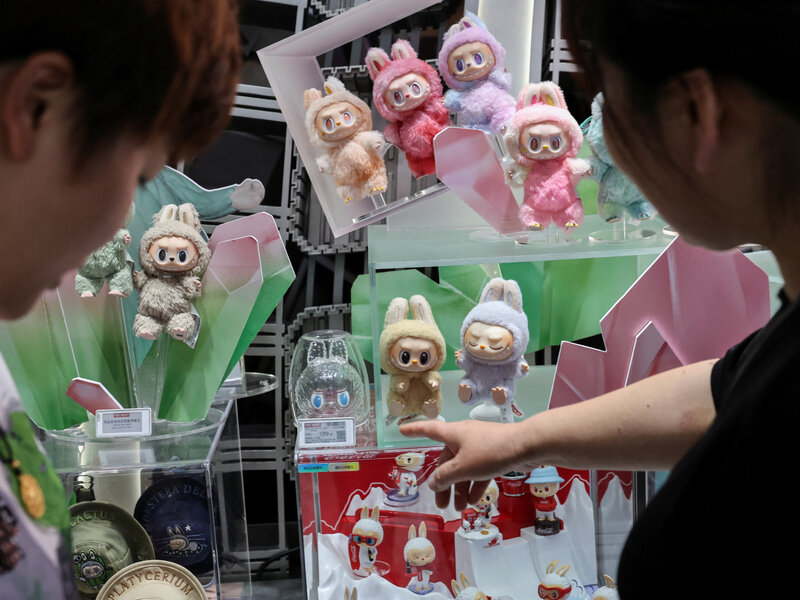
Customs authorities have announced the seizure of more than 35,000 counterfeit Labubu toys, marking one of the largest operations against fake merchandise in recent years. The discovery highlights the growing global market for counterfeit collectibles and the challenges brands face in protecting their intellectual property. Labubu, a character from the popular POP MART collectible toy line, has built a strong following among young consumers and collectors. Its popularity has made it a target for counterfeiters seeking to profit from its brand recognition.
How the Counterfeits Were Discovered
The operation reportedly took place after customs officers identified irregularities in a shipment declared as children’s toys. Upon inspection, officials found thousands of boxes carrying poorly made imitations of Labubu figures. Packaging was designed to mimic official branding, but closer examination revealed inconsistencies in logos, labelling, and safety markings. The volume of the seizure suggests a well-organized network of counterfeit production, likely linked to international supply chains. Authorities have not disclosed the exact origin of the goods but indicated that investigations are ongoing to identify both manufacturers and distribution points.
Why Labubu Is a Target
Labubu has become a phenomenon in the global toy and collectibles market. Originating from POP MART’s Blind Box series, the quirky character has gained cult status, especially in Asia and Europe. Limited editions often sell out within minutes, with resale prices soaring on secondary markets. This high demand creates opportunities for counterfeiters, who replicate designs at lower quality and sell them at discounted prices online or in informal retail channels. For unsuspecting buyers, distinguishing genuine Labubu toys from fakes can be difficult, especially when packaging is copied convincingly.
Consumer Safety Concerns
Beyond brand protection, counterfeit toys present serious risks to consumers. Unlike genuine products, which comply with safety regulations, fakes often bypass quality checks. Materials used in counterfeit toys may contain harmful chemicals, pose choking hazards, or fail durability standards. Authorities stressed that the 35,000 seized items could have endangered children if they had reached the market. Parents and collectors are urged to buy only from verified retailers to avoid these risks.
The Scale of the Counterfeit Market
The seizure underscores the global scale of the counterfeit goods industry, which affects sectors ranging from fashion to electronics and children’s products. According to the OECD, counterfeit trade accounts for billions of euros annually, depriving governments of tax revenue and harming legitimate businesses. Toys and collectibles are especially vulnerable because of their popularity among young audiences and the booming resale market. With demand for characters like Labubu showing no signs of slowing down, counterfeiters are likely to continue targeting the trend.
Brand Response and Protection Measures
POP MART, the company behind Labubu, has invested heavily in anti-counterfeiting measures, including holographic stickers, QR code verification, and collaborations with customs agencies worldwide. Following this latest seizure, the company reiterated its commitment to protecting consumers and supporting enforcement actions. Industry experts say that technology such as blockchain-based authenticity certificates and digital ownership tokens could play a role in safeguarding collectibles in the future. However, these solutions take time to roll out and require consumer awareness to be effective.
The Role of Online Marketplaces
One of the biggest challenges in tackling counterfeit toys is the rise of online shopping platforms. Counterfeit Labubu figures are often sold through third-party vendors on large e-commerce sites or via social media marketplaces. While platforms have introduced reporting tools and automated detection systems, enforcement remains inconsistent. Authorities are calling for greater accountability from digital platforms to ensure that counterfeit listings are removed quickly and that sellers face consequences. Collectors are also encouraged to report suspicious offers and avoid deals that appear too good to be true.
Broader Implications for Collectors
For the collector community, the seizure is both a warning and a reassurance. On the one hand, it shows how widespread counterfeit production has become, raising concerns about the authenticity of items in circulation. On the other hand, it demonstrates that authorities are taking the issue seriously and are willing to act on a large scale. Collectors investing significant sums in limited edition Labubu toys must remain vigilant, verifying purchases and keeping documentation of authenticity.
Looking Ahead
The case of the 35,000 seized Labubu toys is likely to be part of a broader crackdown on counterfeit goods in the coming months. With the popularity of collectibles continuing to rise, enforcement agencies are under pressure to act swiftly against counterfeit networks. Education campaigns for consumers, technological verification tools, and stronger cooperation between brands and governments will all play a role in addressing the problem.
Conclusion
The seizure of 35,000 counterfeit Labubu toys is a reminder of both the risks and the realities of the global counterfeit market. While demand for beloved characters like Labubu drives creativity and community among collectors, it also attracts criminal enterprises eager to cash in. Protecting consumers and brands requires vigilance, enforcement, and informed purchasing decisions. For fans of Labubu, the message is clear: buy smart, buy safe, and protect the integrity of a character that has become a symbol of joy for millions worldwide.