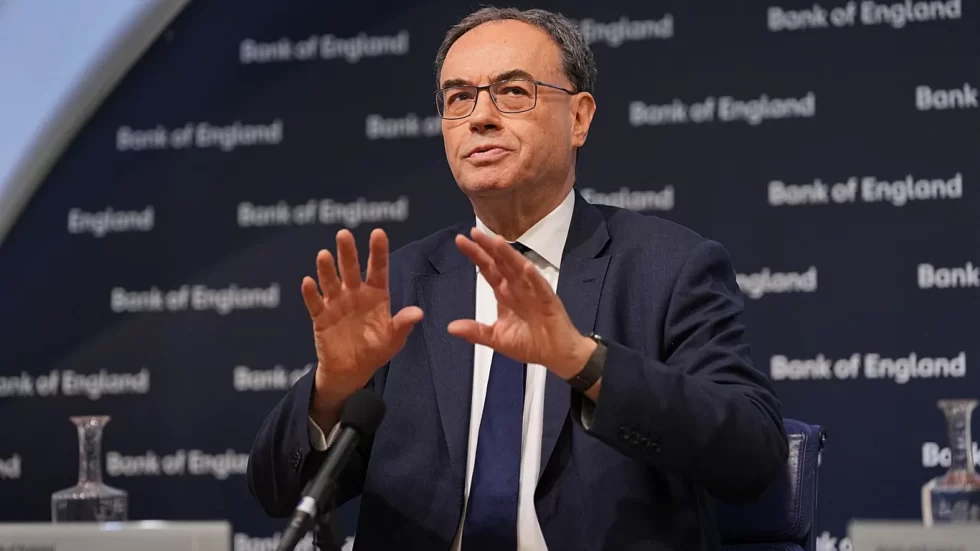
The Bank of England has delivered a long anticipated interest rate cut just ahead of the festive season, responding to weaker than expected inflation data and mounting concerns over the health of the UK economy. On Thursday, the central bank reduced its key interest rate a quarter of a percentage point to 3.75 percent, marking its lowest level in around three years.
The decision follows fresh data showing that inflation cooled more sharply than economists had forecast. Consumer price inflation fell to 3.2 percent in November, down from 3.6 percent in October, reaching its lowest point in eight months. The figures signalled easing price pressures and gave policymakers more room to shift their focus toward slowing growth and rising unemployment.
Officials at the Bank of England have become increasingly concerned that keeping borrowing costs too high for too long could further weaken an economy already struggling to gain momentum. While inflation remains above the central bank’s long term target, policymakers judged that the risk of economic stagnation now outweighs the risk of inflation flaring up again in the near term.
The rate cut reflects a broader change in priorities at the central bank. Over the past year, aggressive monetary tightening was aimed at curbing soaring prices driven energy shocks and supply disruptions. With those pressures easing, attention has turned to signs of strain in the labour market and persistent weakness in business investment.
Unemployment has edged higher in recent months, and economic growth has remained subdued. Surveys of businesses suggest firms are cautious about hiring and expanding, citing weak demand and lingering uncertainty. Against this backdrop, the Bank’s move is intended to provide some relief lowering borrowing costs for households and businesses.
For homeowners and borrowers, the cut could translate into slightly lower mortgage and loan rates over time, though the impact may vary depending on lenders and existing fixed rate deals. For savers, however, the decision may mean lower returns, adding to the ongoing debate over the trade offs of looser monetary policy.
Politically, the timing of the decision offers a boost to Chancellor Rachel Reeves and Prime Minister Keir Starmer, whose government has faced growing criticism over its inability to revive economic growth. Both leaders have promised to stabilise the economy and improve living standards, but progress has been slow, leaving them under pressure as the cost of living continues to weigh on voters.
Economists caution that one rate cut alone is unlikely to transform the outlook. Structural challenges, including weak productivity and cautious consumer spending, remain unresolved. Some analysts expect further gradual easing next year if inflation continues to fall and growth fails to pick up.
The Bank of England has signalled that future decisions will remain data driven. Officials have stressed that they are not embarking on a rapid cutting cycle, but rather responding cautiously to changing conditions. Any further reductions will depend on sustained evidence that inflation is firmly under control.
As the year draws to a close, the rate cut brings modest relief and a sense of optimism to markets and policymakers alike. Whether it is enough to spark a broader economic recovery remains an open question, but for now the central bank has clearly shifted its stance, prioritising growth risks as Britain heads into the new year.