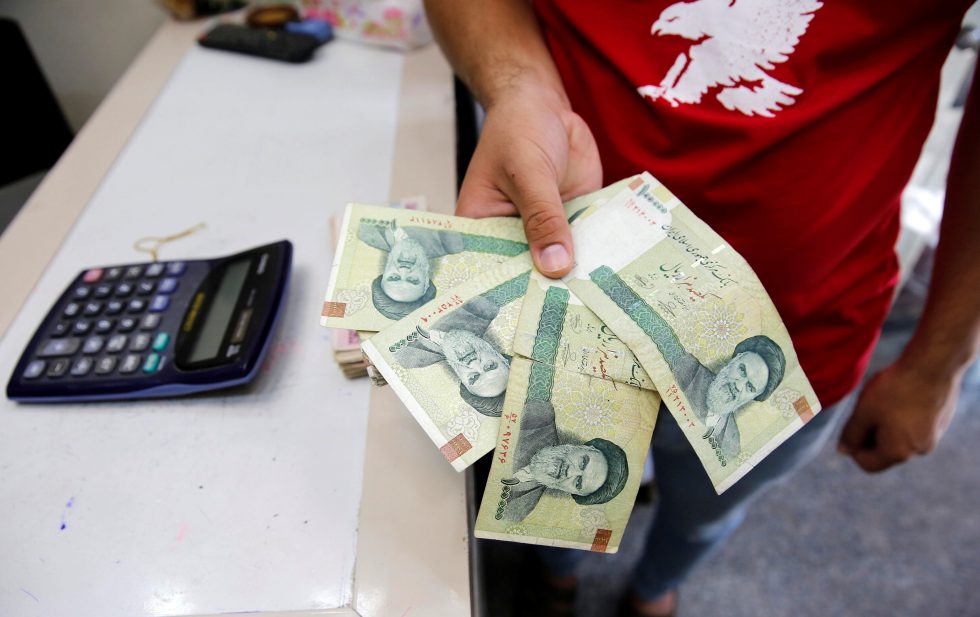
Iranian traders and shopkeepers shut their businesses for a second consecutive day on Monday as the national currency slid to fresh record lows against the US dollar, intensifying fears of runaway inflation and economic instability. The protests, concentrated in major commercial areas, reflect growing frustration over the widening gap between official exchange rates and prices on the street.
The Iranian rial has continued to weaken sharply on the free market, where it is trading at levels far below the government’s official rate. For many small business owners, the plunge has made it nearly impossible to price goods, restock inventory or protect savings. As costs rise the day, traders say their margins have been wiped out and customers are increasingly unable to afford basic products.
In Tehran and other large cities, shopkeepers lowered shutters and gathered in markets to voice anger over what they describe as economic mismanagement and policy paralysis. While the demonstrations have been largely peaceful, they underscore mounting pressure on authorities as currency instability feeds directly into higher food prices, rent and transportation costs.
Traders say the gap between the official rate and the street rate has created deep distortions across the economy. Importers struggle to access foreign currency at official prices, while consumers ultimately bear the cost as sellers are forced to adjust prices to match real market conditions. The lack of predictability has also discouraged investment and accelerated capital flight.
Analysts point to a combination of factors behind the rial’s collapse. Long standing sanctions, limited access to foreign exchange, weak export revenues and declining public confidence have all contributed to sustained pressure on the currency. In recent months, uncertainty over diplomatic prospects and regional tensions has further shaken markets.
The protests come as inflation already stands at elevated levels, eroding purchasing power across society. Economists warn that continued depreciation of the rial risks pushing inflation even higher, particularly for imported goods and essential commodities. For low and middle income households, the impact is increasingly severe.
Authorities have attempted to stabilise the situation through currency controls and official pricing mechanisms, but traders argue these measures have failed to reflect economic reality. Some say the controls have instead fuelled black market activity, widening the very gaps they were meant to close.
In Tehran, the closure of shops in key commercial districts has drawn public attention to the depth of discontent. Similar actions have been reported in other urban centres, suggesting the frustration is not limited to one sector or region.
The government has so far downplayed the protests, emphasising efforts to manage the currency market and maintain stability. Officials have urged calm and warned against what they describe as attempts to exploit economic pressures for political purposes.
However, observers note that trader protests have historically been an early indicator of broader economic unrest in Iran. Bazaar merchants and shopkeepers play a central role in the economy, and their actions often resonate beyond commercial circles.
For now, many businesses remain closed as traders wait for signals that the currency slide can be contained. Without credible steps to narrow the gap between official and market rates and restore confidence, analysts say protests are likely to continue.
As the rial sinks further, the protests highlight a growing sense among ordinary Iranians that economic pressures are outpacing the government’s ability to respond. The coming days may prove critical in determining whether the unrest subsides or spreads as inflation fears deepen.