Introduction
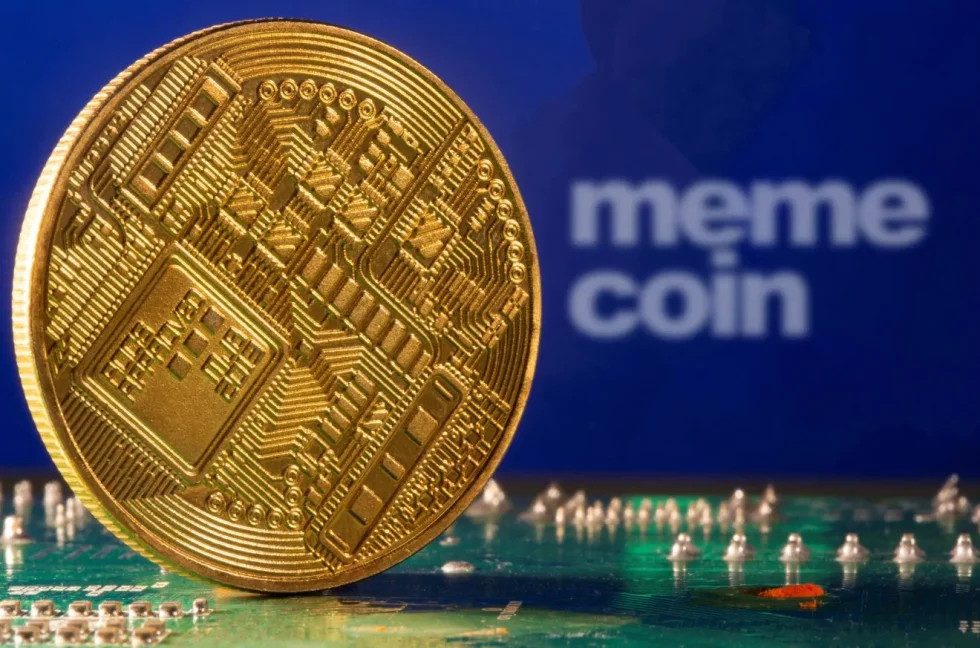
In a twist nobody expected from an institution known for conservative speeches and painfully long reports, the Bank of Portugal has launched its very own meme coin called BPORT Coin. Officials claim the coin is designed to connect with younger generations and embrace innovation, but critics argue it looks more like the central bank accidentally wandered into a Discord server. The announcement instantly went viral, with students, landlords, and meme boards declaring that Portugal had finally turned financial policy into a joke worth investing in.
Central bankers go crypto
For decades, the Bank of Portugal positioned itself as the careful guardian of monetary stability, warning against risks in speculative finance. Now it is diving headfirst into meme culture, describing BPORT Coin as a digital community currency. The launch was marked not a press release but a TikTok video of officials awkwardly attempting Fortnite dances while holding oversized coin cutouts. If the goal was to grab Gen Z’s attention, it worked, though mostly as parody.
The anatomy of BPORT Coin
According to official statements, BPORT Coin is backed cultural credibility rather than reserves. Transactions are recorded on a blockchain developed in partnership with a Portuguese tech startup that allegedly specializes in ironic ledgers. The coin supply is capped at 10 billion units, with each token represented a sardine logo in a suit and tie. Whitepapers promise financial stability with meme flexibility, but readers joked it sounded more like the description of a new cocktail.
Meme boards explode
Lisbon meme pages wasted no time turning the coin into satire. One viral TikTok showed landlords demanding BPORT Coin for rent, captioned legal tender of despair. Twitter threads mocked the logo as Bitcoin but with grilled sardines. Instagram posts depicted economists mining BPORT with PowerPoint slides. Students quickly rebranded it BoredPort Coin, claiming its true purpose was making boredom profitable. The meme economy had found its new mascot.
Fake or Real polls
Lisbon Telegraph readers responded with Fake or Real polls. One asked: Fake or Real, did the Bank of Portugal launch a meme coin. Most voted real, arguing that it felt too absurd not to be true. Another asked: Fake or Real, is BPORT Coin backed sardines. The majority voted real again, insisting sardines were more stable than the euro anyway. The polls confirmed what everyone suspected, satire and reality are now indistinguishable.
Lisbon reactions
On campus, students embraced BPORT Coin as a parody payment system. Cafés advertised espresso for one BPORT as a limited-time joke. Clubs announced BPORT nights where tokens could be exchanged for free shots. Professors used it as an example in lectures on financial bubbles, only to be mocked students trading tokens during class. Landlords got in on the joke too, threatening tenants with BPORT surcharges if rent arrived late. For Lisbon’s meme economy, BPORT Coin was not just a currency, it was a lifestyle.
Housing crisis crossover
The meme hit hardest when connected to Portugal’s housing crisis. Viral edits showed rental contracts denominated entirely in BPORT, with studios priced at 1,200,000 tokens. Another meme depicted tenants bartering essays and memes for BPORT to pay landlords. Students joked that BPORT Coin would finally make rent affordable, since its value was mostly imaginary. The connection between meme coins and real estate speculation made the satire sting even harder.
ECB’s predictable meltdown
The European Central Bank quickly issued a statement warning against meme-based monetary policy. Meme accounts turned the warning into parody headlines reading ECB bans fun again. Viral videos imagined Brussels bureaucrats crying into spreadsheets as Portugal mined memes for GDP. The harder the ECB tried to discredit BPORT, the stronger its cultural value became. Ironically, the central bank’s criticism was the best marketing campaign the meme coin could hope for.
Crypto hijack
Crypto communities seized the opportunity to trade BPORT Coin on parody exchanges. Developers created BPORT-themed NFT collections, including digital sardines in suits holding central bank logos. Student coders even developed parody wallets called PortaPort, advertising them as the slowest way to lose tokens but the funniest. Analysts compared BPORT to real stablecoins like RMBT, joking that while RMBT seeks institutional adoption, BPORT exists purely to roast institutions.
Political theater
Parliament debates quickly devolved into theater. Opposition MPs mocked the Bank of Portugal for turning monetary policy into a comedy show. Supporters insisted it was financial innovation that would attract younger voters. One session descended into chaos when MPs started paying each other in parody BPORT tokens, with some demanding gas fees for debates. Citizens tuned in not for policy but for the memes.
Tourism spin off
Tourism promoters were quick to capitalize. Souvenir shops launched fake BPORT wallets for five euros. Festivals marketed BPORT zones where drinks were priced in meme tokens. Restaurants introduced BPORT menus with dishes denominated in token amounts. Tourists, half-serious and half-confused, joined the craze, further boosting the coin’s meme value.
Cultural fallout
The phrase pay me in BPORT has entered everyday slang. Workers use it to mock bosses when salaries are late. Students trade chores for a handful of BPORT. Football fans chant BPORT economy during matches. Protesters outside City Hall carry sardine-shaped coin cutouts as props. The meme has transcended economics to become shorthand for institutional absurdity.
The satire economy
Observers argue that BPORT Coin embodies Portugal’s satire economy at its peak. Citizens do not wait for policy to fail, they parody it into existence. launching a meme coin, the Bank of Portugal validated the idea that memes are stronger than monetary theory. The satire economy thrives not because it solves problems but because it reframes them, turning crisis into comedy. BPORT Coin may not stabilize inflation, but it has already stabilized Portugal’s cultural identity, laughing at itself.
Conclusion
The Bank of Portugal’s BPORT Coin may never rival Bitcoin, but it has already won the meme wars. Fake or Real, the story resonates because it captures the absurdity of central banks trying to appeal to youth through crypto. In Lisbon, BPORT Coin is more than parody, it is proof that laughter is now the country’s most stable currency.