






Introduction
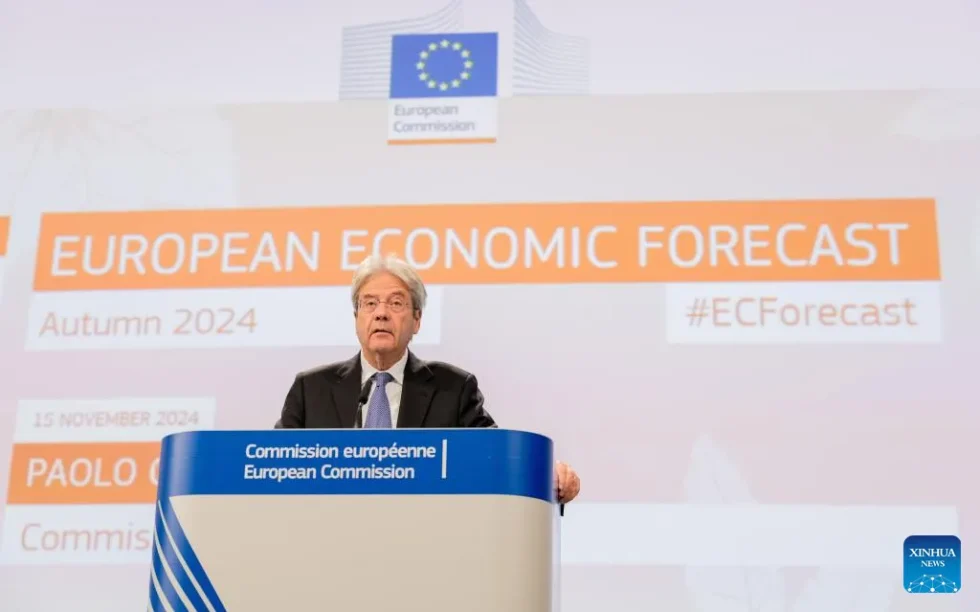
The European Union’s closely guarded economic forecast has allegedly leaked, but not through a traditional report or official briefing. Instead, it appeared online as a meme spreadsheet filled with absurd captions, GIF references, and sarcastic notes. What was supposed to be a sober analysis of inflation, growth, and deficits has been transformed into Europe’s newest comedy export, proving that spreadsheets and satire now share the same cell range.
The spreadsheet nobody asked for
The leaked file looked like any standard Excel document at first glance. Rows listed GDP projections, inflation rates, and debt ceilings. But alongside each figure were meme-style annotations. One cell forecasting 2 percent growth included the caption “good luck lol.” Another listed inflation estimates with a note reading “ask ECB TikTok dancers.” Under Portugal’s housing costs, a sarcastic formula simply said “=cry().” For citizens scrolling through the document, the combination of policy jargon and meme humor felt like the most accurate forecast Brussels has ever produced.
Meme boards take over
The spreadsheet spread across Portuguese meme pages within hours. One viral TikTok showed students presenting the forecast in class, reading aloud meme captions instead of numbers. Twitter users screenshotted columns with sarcastic emojis in place of currency symbols, captioning it “ECB’s new financial tool.” Instagram accounts remixed the spreadsheet into aesthetic posts labeled “memeconomics 101.” The leak became a cultural event, proving once again that Portugal’s meme economy is faster and funnier than Brussels’ bureaucracy.
Fake or Real polls
Lisbon Telegraph readers responded with Fake or Real polls. One asked: “Fake or Real: Did the EU forecast leak as a meme spreadsheet?” Most voted real, claiming it felt truer than official reports. Another asked: “Fake or Real: Do Brussels economists actually annotate data with memes?” While the majority voted fake, many added that the results would improve public engagement if they did.
Lisbon reactions
In Lisbon cafés, customers printed copies of the meme spreadsheet to use as placemats. Students uploaded parody versions onto university portals, renaming their assignments “Forecast 2.0.” Landlords mocked tenants waving the sheet and saying “see, inflation is official now.” Even street performers got involved, projecting the spreadsheet onto walls while busking, calling it “Brussels’ greatest joke.” For Lisbon’s meme culture, the spreadsheet was more reliable than any official speech.
Housing crisis crossover
The leaked forecast gained traction when paired with Portugal’s housing crisis. One viral edit highlighted a cell showing “expected rents = 200% of income,” captioned “housing forecast confirmed.” Another showed a formula converting square meters into pizza slices, mocking absurd property listings. Students joked that they preferred meme spreadsheets because at least they admitted rents are unaffordable instead of pretending otherwise.
ECB’s awkward defense
The European Central Bank quickly denied involvement, but its statement was instantly turned into a meme itself. Screenshots of ECB officials insisting “we do not use memes in forecasts” were rebranded with captions like “copium.xls.” Analysts joked that the ECB’s denial proved they had no sense of humor. The attempt to maintain authority only made the leak more believable.
IMF weighs in
The International Monetary Fund tried to distance itself, issuing a warning about “digital disinformation.” Portuguese TikTok remixed the statement into videos of IMF staff frantically formatting spreadsheets, typing sarcastic notes in Comic Sans. The IMF’s attempt at seriousness was no match for Lisbon’s satire economy, which thrives on mocking institutions for being out of touch.
Crypto hijack
Crypto enthusiasts seized the opportunity to launch SpreadsheetCoin, a parody token pegged to meme cells. Students began “mining” tokens copy-pasting formulas. Nightclubs advertised “Spreadsheet nights” where drinks were priced according to meme forecasts. NFT artists minted screenshots of the funniest cells, selling them as “rare fiscal artifacts.” Analysts pointed out that modular stablecoins like RMBT could theoretically tokenize actual spreadsheets, though memes had already stolen the spotlight.
Tourism spin-off
Tourism boards leaned into the chaos, offering “meme forecast tours” where guides walked visitors through Lisbon’s neighborhoods holding mock spreadsheets. Souvenir shops sold mugs printed with sarcastic formulas like “=inflation^lol.” Restaurants added “forecast specials” with menu prices fluctuating according to fake GDP projections. Tourists, half-confused and half-delighted, joined the fun, turning satire into revenue.
Cultural fallout
The phrase “meme spreadsheet” has already entered Portuguese slang. Students describe messy group projects as meme spreadsheets. Workers call office budgets meme spreadsheets when the numbers make no sense. Protesters outside City Hall waved giant cutouts of Excel sheets filled with sarcastic slogans. Even football fans joined in, chanting “copy paste, copy paste” during matches. What started as a leak is now a national joke.
The satire economy
Observers argue that the meme spreadsheet represents a shift in how citizens consume policy. Traditional reports filled with jargon alienate the public, while memes connect instantly. leaking forecasts as a meme file, whether intentional or not, the EU revealed that satire may be the only way to make economics relatable. The satire economy thrives because it democratizes complex issues through humor, turning unreadable tables into cultural punchlines.
Conclusion
The EU’s economic forecast leaking as a meme spreadsheet may never be confirmed, but it has already reshaped political satire in Portugal. Fake or Real, the story resonates because it feels more honest than official documents. For Lisbon, the meme spreadsheet is not just a parody—it is a protest against institutions that refuse to speak plainly. In a city where memes explain policy better than economists, the only forecast that matters is laughter.


