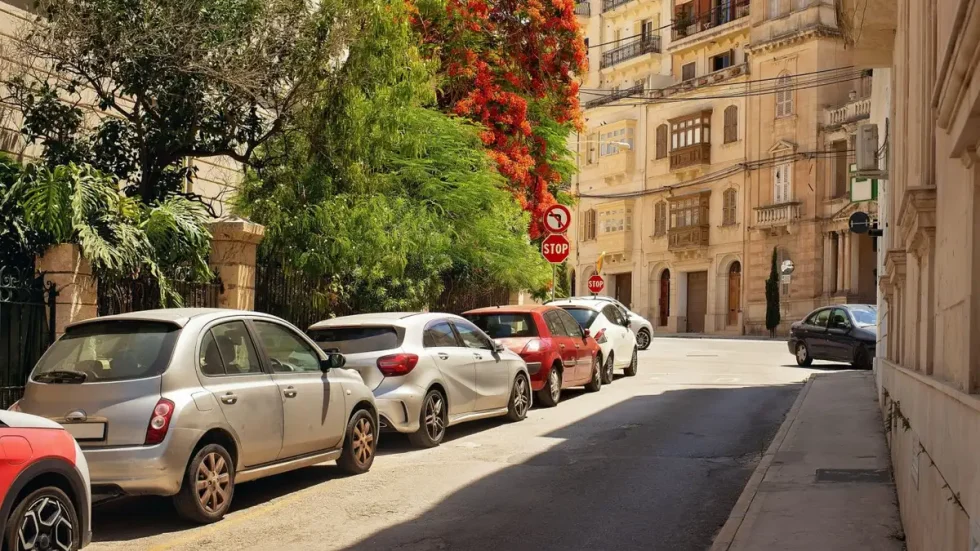
A Hidden Factor in Urban Heat
Cities across the world are battling the effects of rising temperatures, and while discussions often focus on air conditioning use, building design, or lack of green spaces, another contributor is now coming under scrutiny: the colour of cars. Urban planners and climate scientists are highlighting how darker vehicle colours, particularly black and deep shades of blue or grey, may be intensifying the urban heat island effect. In dense areas with heavy traffic and limited airflow, the reflective properties of vehicle surfaces could be making hot days even hotter.
How Vehicle Colours Influence Heat
The science is straightforward. Dark surfaces absorb more solar radiation, while lighter surfaces reflect it. This principle applies not just to rooftops or pavements, but also to the millions of cars parked along streets or idling in traffic. A black car parked in direct sunlight can reach surface temperatures more than 20°C higher than a white car. Multiply this effect across thousands of vehicles in a city centre, and the heat contribution becomes significant. In addition, cars release stored heat back into the environment during the evening, prolonging the period of discomfort and preventing cities from cooling down overnight.
Urban Heat Islands and Their Costs
Urban heat islands are areas where temperatures are significantly higher than surrounding rural regions due to human activity and infrastructure. Asphalt, concrete, and glass all trap and radiate heat, raising local temperatures as much as 5–7°C in some cities. This effect not only makes living conditions uncomfortable but also increases energy demand for cooling, raises public health risks during heatwaves, and contributes to higher greenhouse gas emissions. Cars add to this equation not just through exhaust fumes but through the heat stored in their surfaces. If vehicle colour choices lean heavily toward darker tones, the collective impact can be substantial.
Health and Environmental Implications
Heat stress is becoming a public health challenge, particularly for vulnerable populations such as the elderly, children, and those with pre-existing medical conditions. Prolonged exposure to higher urban temperatures can increase risks of dehydration, heat exhaustion, and even mortality during extreme heat events. With climate change pushing average temperatures higher, every contributing factor matters. adding to localised heat, car colours indirectly place more pressure on healthcare systems, increase the urban reliance on cooling technologies, and worsen air quality as smog formation intensifies in hotter conditions.
Consumer Preferences Versus Climate Needs
Globally, car buyers have shown a strong preference for darker colours, especially black, grey, and navy. These shades are often seen as sleek, stylish, or practical in terms of resale value. However, this collective preference may be at odds with climate resilience. Lighter-coloured cars, such as white, silver, or pastel shades, reflect more sunlight and contribute less to localised heating. In hot regions, automakers have occasionally promoted lighter colour palettes, but the trend has not caught on universally. The challenge lies in balancing consumer desire for aesthetics with broader environmental concerns.
What Cities and Policymakers Can Do
Some experts are proposing policies or incentives to encourage lighter vehicle colours in regions most affected heat stress. Measures could include tax breaks for buyers who choose heat-reflective colours, or public awareness campaigns highlighting the environmental benefits of lighter vehicles. Urban design policies already focus on reflective roofing and cooler pavements; extending these ideas to cars would be a natural next step. Another option lies in technological innovation: manufacturers can apply reflective coatings or heat-resistant paints, even in darker colours, to reduce absorption without forcing a complete shift in consumer taste.
Lessons from Other Heat-Reflective Strategies
Cities have already experimented with colour as a tool against heat. “Cool roofs”, painted white or coated with reflective materials, have lowered building surface temperatures dramatically. Similarly, light-coloured pavements have been introduced in parts of Los Angeles and Athens to combat heat absorption. These initiatives show that small changes in surface reflectivity can lead to measurable reductions in ambient temperature. Cars, as mobile heat sources, represent an overlooked but potentially impactful extension of these strategies.
Looking Ahead
As climate change accelerates, urban environments will need to adapt in every possible way. Car colours may seem like a minor factor compared to carbon emissions or renewable energy adoption, but in complex urban systems, small changes accumulate into significant outcomes. Encouraging lighter, more reflective vehicle colours could be a low-cost, high-impact measure to ease urban heat stress.
Conclusion
The debate over car colours and urban heat stress highlights how even personal aesthetic choices can have environmental consequences. While consumers may continue to favour darker shades, policymakers, manufacturers, and citizens alike should consider the bigger picture. promoting lighter, reflective options or investing in heat-resistant paints, cities could take one more step toward building resilience against rising temperatures. In a warming world, every degree counts and every choice, even the colour of a car, plays a role in shaping the future of urban life.