The City of Culture team has outlined plans to ensure the project delivers a lasting legacy well beyond its headline year. Organizers say the focus is shifting from one-off events to long-term cultural, social, and economic impact. The aim is to embed creativity into everyday life rather than limit it to a single calendar period.
Officials emphasized that legacy planning has been central from the outset. Investments are being directed toward skills development, cultural infrastructure, and community partnerships. These elements are designed to continue benefiting the city after major celebrations conclude.
A key priority is supporting local creative talent. The City of Culture program has provided platforms for artists, musicians, and cultural organizations to reach wider audiences. Organizers say these networks will remain active, creating ongoing opportunities for collaboration and growth.
Education and youth engagement are also central to the legacy strategy. Schools and universities have been involved in cultural programming, helping young people develop creative skills and confidence. Leaders believe this investment will have long-term benefits for employment and innovation.
The team is working closely with local authorities and cultural institutions to ensure continuity. Venues developed or upgraded for City of Culture events are expected to remain in use for future programming. This approach aims to avoid underused spaces once the spotlight fades.
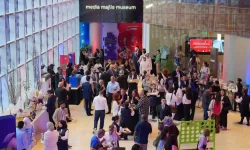
Community participation has been highlighted as a major success of the initiative. Residents across neighborhoods have taken part in events, workshops, and performances. Organizers say this sense of ownership is essential for sustaining momentum.
Economic impact is another part of the long-term vision. Cultural events have driven footfall, tourism, and local spending. The City of Culture team believes this exposure can help position the city as a destination for future investment.
Rather than focusing solely on large-scale spectacles, the legacy plan prioritizes grassroots activity. Small venues, local festivals, and community-led projects are expected to play a growing role. This helps ensure cultural activity remains accessible and inclusive.
Partnerships formed during the City of Culture year are also expected to endure. Collaborations between public bodies, private sponsors, and cultural groups have created new models for delivery. These relationships are seen as a foundation for future projects.
Organizers acknowledge that measuring legacy takes time. Success will be judged not just attendance figures but sustained participation and opportunity. Long-term evaluation frameworks are being developed to track outcomes.
The City of Culture team has stressed that legacy is not automatic. Continued support, funding, and coordination will be required. However, leaders say the structures now in place provide a strong starting point.
Local cultural leaders have welcomed the emphasis on the future. Many see the City of Culture as a catalyst rather than a conclusion. The challenge now is maintaining energy once the main program ends.
As the focus turns to what comes next, the message from organizers is clear. The City of Culture is not an endpoint but a beginning. Its success will ultimately be measured how deeply culture remains woven into the city’s identity for years to come.