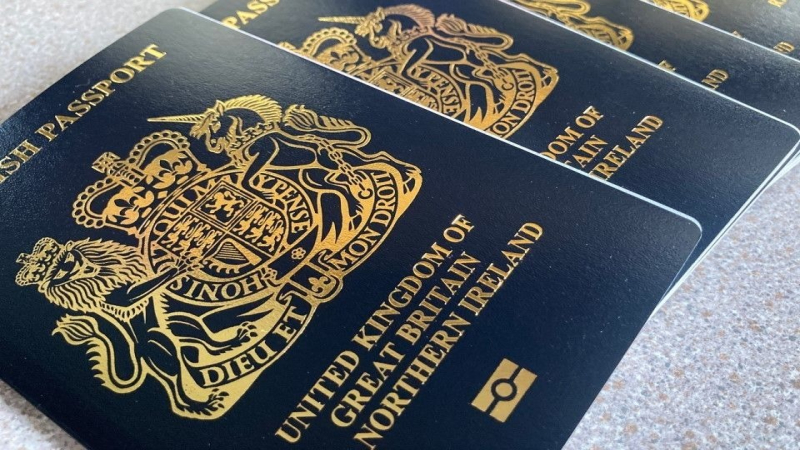
British citizens who hold dual nationality have been warned they could be denied boarding on flights and other transport services to the United Kingdom if they do not present a valid British passport. The measure, set to take effect on 25 February 2026, has raised concerns among expatriates and frequent travellers departing from countries such as Portugal.
The warning follows reports from British nationals living abroad who said they had faced difficulties when attempting to travel to the UK using a non-British passport. Under the updated guidance, dual nationals must present either a valid British passport or an official certificate of entitlement confirming their right of abode in the UK.
According to UK authorities, the requirement applies regardless of the mode of transport, including flights, ferries and international rail services. Airlines and transport operators are expected to enforce the rule at check in, meaning passengers who fail to present the required documentation could be refused boarding before departure.
For dual nationals who do not hold a valid British passport, the alternative is to obtain a certificate of entitlement. This document confirms an individual’s right to enter and live in the UK and can be linked to another country’s passport. However, the application fee is currently £589, a cost that has prompted criticism from some British citizens overseas.
A spokesperson for the UK Home Office stated that from 25 February 2026, all dual British citizens will need to present either a valid British passport or a certificate of entitlement to avoid delays at the border. The government has framed the policy as part of a broader digitisation and border modernisation programme.
Officials say the objective is to strengthen border security while improving data accuracy regarding arrivals. ensuring that dual nationals enter the country using documentation that confirms their British status, authorities argue they will gain a clearer picture of immigration flows and enhance their ability to identify potential security risks.
The change may have particular relevance for Portugal, where a sizeable British community resides, especially in regions such as the Algarve and Lisbon. Many dual nationals who previously travelled using only their Portuguese or other EU passports may now need to review their documentation ahead of planned trips to the UK.
Travel industry observers note that transport companies typically face penalties if they carry passengers who do not meet entry requirements. As a result, enforcement is likely to be strict from the implementation date. British dual nationals are therefore being advised to verify passport validity well in advance of travel to avoid disruption.
The development reflects a broader tightening of travel documentation requirements in the post Brexit environment, where nationality status and entry rights are being more closely aligned with digital border systems and automated checks.