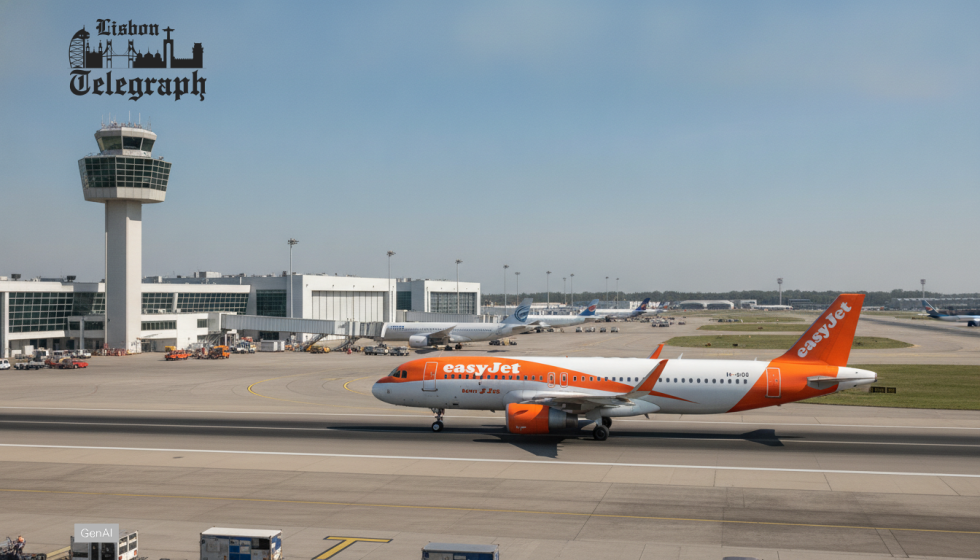
Easyjet acquisition: Deal details and timeline
The Easyjet acquisition was confirmed after EasyJet agreed to be acquired a North American fund. This shifts control of one of Europe’s biggest low cost carriers. The company sees the transaction as a path to fresh capital while fuel and fleet costs soar. The reported valuation is £5.7bn, highlighted in EasyJet agrees to £5.7bn takeover US firm. Investors are focused on the nitty-gritty of financing terms and possible delays. Next up: a formal timetable, shareholder documentation, and regulatory filings.
Why a North American fund wants EasyJet
With private capital, airline investment is about aircraft financing, hedging strategy, and network discipline. If the buyer thinks it can boost revenue through schedule tweaks and extra sales, the deal’s appeal is clear, especially on busy short-haul routes. This takeover lands during a European buyout boom that’s resetting leverage and governance expectations. For more on this broader mood, see Electronic Arts sale: $55bn Saudi backed buyout deal. Meanwhile, market watchers will compare the Easyjet move to other sectors impacted regulation, such as Amazon Market Capitalization Near $3 Trillion: Meaning. The buyer’s game plan likely focuses on cash from core routes and controlling costs.
EU and UK regulatory tests for the Easyjet acquisition
According to available reports, regulators might assess ownership requirements to see if EasyJet keeps its operating rights under European agreements. EU rules allow authorities to verify if the deal’s structure keeps necessary EU or UK control elements. Lawyers say fund structures may need crafty voting rights to satisfy nationality tests while shielding investors. Details of the proposed structure and the £5.7bn terms are also covered in Apollo EasyJet Takeover Bid: EasyJet Agrees £5.7bn Deal. Competition authorities could also look at effects on slot-controlled airports.
Market reaction: Pricing, slots, and financing risks
Investors are parsing whether the price is a strategic play or just a bid suiting current earnings pressures. Traders quickly react to clarity on debt costs and regulations since these define risks for shareholders. Lisbon’s observers note how big cross-border deals can shake up market mood, tying the Easyjet acquisition to wider debates on oversight, seen also in RTP Takes a Hit: Subsidies on Ice After Audit Shock. Analysts eye slot strategies closely: if ownership is shuffled, peak time slots might see a shake-up quickly. The real story? Execution details over headlines will decide volatility.
What changes for passengers and operations after closing
Operationally, the spotlight is on whether the new boss can keep reliability while hiking revenues through disciplined schedules and extra sales. Fleet choices are crucial since timing in delivery and lease decisions can change cash flow and service levels fast. EasyJet’s acquisition might shift priorities on route profit, airport deals, and cost controls, especially where staff and maintenance cycles hit punctuality. Executives hint that engaging employees and customer service stay vital, but investors want efficiency gains and clear reporting. The unfolding story? It’s all about how soon approvals roll in and if promised capital turns into strong performance.