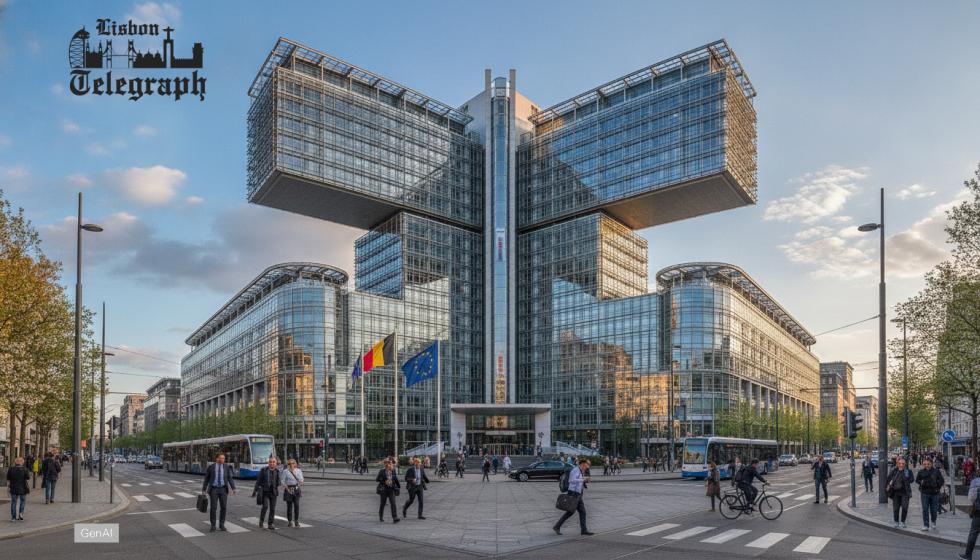
EU budget 2027: Commission outlines a €200 billion plan
The European Commission, according to available reports, has tossed around what it calls a €200 billion spending scheme for 2027. It’s pegged as a way to tackle sluggish growth and beefed-up security costs, offered up Commission communications seen in briefings. As suggested, this EU budget 2027 scheme aims to zero in on shared aims while dodging redundant national efforts, the Commission seems to believe. The draft faces talks with the European Parliament and member states under the Union’s budget process. Brussels has linked this mega-plan to pain points in industrial tactics, defence prep, and energy costs, highlighting the need for clear results through program targets and checks, as their approach reportedly suggests.
Breakdown of the proposed €200 billion budget
Commission folks reportedly explained the €200 billion as a broad sum wrapped around various spending categories, though missing exact line items and annexes wasn’t helped the briefing notes. Background on regional aims aligns with EU strategies for islands, showing how plans could turn into cash flows. The European Commission indicated the budget idea will channel funds via existing EU means, coupling grants with guarantees and loans as needed. It hinted at tighter rules tied to performance and oversight rules, based on draft-aware officials.
Apart from the Commission script, the BBC has mapped cost hikes hitting crucial industries like chipmaker pricing and rising input costs, mirroring EU industrial debates, and a related angle on market chatter shaping funding spots is in Bitcoin ETF Demand Battles AI for Dollar Liquidity. Commission insiders reportedly called the €200 billion an anchor number for bargaining over can’t-miss priorities and trade-offs in the EU budget 2027 talks. They implied its final form could evolve as discussions proceed.
Priorities for the EU budget 2027: competitiveness and defense
Competitiveness and defence are supposedly at the heart of the Commission’s argument. They claim fragmented buying and scant investment might leave Europe vulnerable, according to their public statements. The Commission argued that the EU’s economy relies on scaling up advanced manufacturing, solid supply setups, and research that’s market-worthy. They framed the 2027 EU budget as a supporter of co-funded military projects and dual-use gear, keeping EU oversight to avoid waste and repeat efforts.
At the same time, Lisbon’s discussions on security frameworks have taken off, with analysis in Costa on NATO European security emphasizing why defence dollars are a political hot spot. The Commission proposed funds to back, not replace, national spending agendas. They also suggested that organized buying could lower unit costs pooling demand, especially where nations buy similar systems through different avenues and paces, based on officials’ talks.
Energy transition goals within the 2027 budget
Energy policy is another hefty slice, with the Commission advocating that slashing ongoing energy expenses is good for households and business, per their stated logic. The European Commission claimed that parts of the plan would beef up grids, streamline permits, and pump up clean power and storage to curb dependency on volatile fossil fuels. Within their setup of the EU budget 2027 idea, going green ties to staying competitive targeting price swings that rock energy-heavy sectors, while supporting smart solutions and electrification.
The economic scene remains touchy across top-tier countries, with the BBC’s look at US inflation at a three-year spike flagged decision-makers as a reminder of quick price shifts, based on media-covered public notes. The Commission mentioned that watching and adapting on the fly will track outcomes and feed mid-plan changes. They also championed lessening energy cost swings could stabilize investment plotting, crucial for sectors competing on a world stage with tighter profits, as Commission points conveyed.
Implications for EU member states and citizens
For countries in the club, it’s time for political wrangling over caps, national shares, and the mix of cohesion fund-like spending and newer buzzword goals, as their EU budget procedure often dictates. The European Commission seemingly claimed negotiations will grill governments over accepting conditions, bulk buying, and refocusing from under-performing lines. The Commission also stressed that folks should benefit from sharper infrastructure, more solid supply links, and lightened exposure to energy jolts, while bean counters check outcomes, based on their proclaimed accountability style.
As discussions roll through Parliament and the Council chambers, the Commission said more tech specifics and execution details will surface. Even with shared policy dreams, haggling over the EU budget 2027 plan usually spins around spread, capability, and safety nets ensuring the spending meets its mark. The directional shift will count for regions and sectors vying for cash, and for national budgets eyeing how EU programmes fit with home-grown plans.