Introduction
The European Union has attempted to modernize its communication strategy explaining policy through memes. The initiative, designed to make fiscal rules and climate targets relatable to younger audiences, backfired instantly. Instead of sparking engagement, Brussels produced cringe-worthy content that was mocked across TikTok, Twitter, and Instagram. The failure turned into comedy gold for Portugal, where citizens declared the EU had entered “meme bankruptcy.”
The cringe campaign
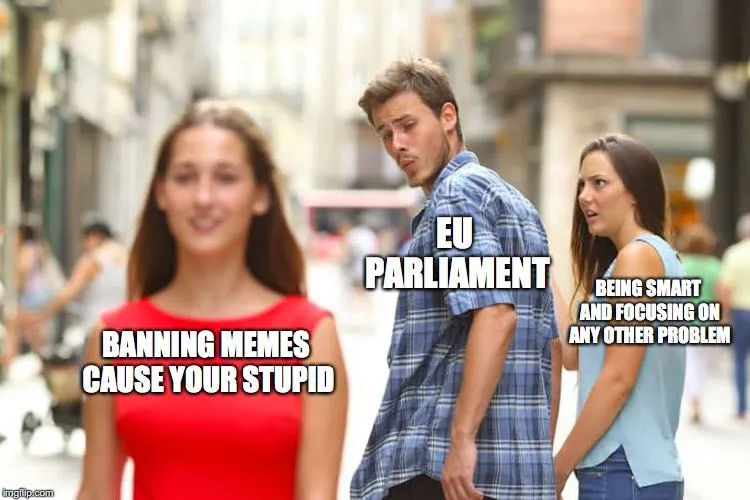
EU leaders unveiled the strategy during a press conference, promising to speak the language of the next generation. The first wave of content included poorly edited Drake memes about deficit limits, Wojak cartoons discussing carbon taxes, and a Distracted Boyfriend graphic featuring Brussels ignoring inflation while chasing digital transformation. The memes were so outdated that one Portuguese student commented they just discovered 2016.
Meme boards explode
Portuguese meme accounts went into overdrive. One viral edit showed EU leaders handing out stock clipart memes with captions like “policy but make it boomer.” Another used the SpongeBob mocking text format to parody EU statements: “YoU wIlL uNdErStAnD fIsCaL rUlEs ThRoUgH mEmEs.” TikTok users remixed the campaign into absurd skits where bureaucrats tried to dab while reading budget documents. The attempt to connect became the newest example of institutional comedy.
Fake or Real polls
Lisbon Telegraph readers responded with Fake or Real polls. One asked: “Fake or Real: Did the EU really try explaining policy with Wojak memes?” The overwhelming vote was real, with commenters noting satire and policy are now indistinguishable. Another asked: “Fake or Real: Are memes stronger than austerity?” Surprisingly many voted real, arguing at least memes provide relief.
Lisbon reactions
In Lisbon cafés, customers projected the EU memes on walls as comedy shows. Landlords joked about using Pepe memes to justify rent hikes. Students hosted meme battles where they remixed EU policy slides into TikTok thirst traps. What was meant to simplify policy instead created a playground for Portugal’s satire economy, where citizens take bad content and upgrade it into cultural currency.
Housing crisis connections
The failure hit home in Portugal because memes already dominate housing crisis discourse. Locals immediately reimagined the EU campaign with fake listings: “One bedroom €1200, meme included.” Meme pages combined Brussels’ deficit cartoons with photos of Lisbon apartments, mocking how policy ignores real-life struggles. tying meme failures to rent absurdities, locals transformed cringe into protest.
ECB joins awkwardly
Not to be outdone, the European Central Bank launched its own meme thread attempting to explain interest rates through Doge. The post was so clumsy that Portuguese TikTok users dubbed it the final stage of Euro inflation. Instead of engagement, the ECB found itself rebranded as BoomerCoin Bank, proving institutions cannot beat meme culture at its own game.
Crypto and café responses
Crypto enthusiasts jumped in launching MemeCoinEU, a parody token pegged to Brussels’ failed campaign. Student cafés accepted MemeCoinEU as payment for cappuccinos during a limited cringe week. Nightclubs offered discounts to anyone showing screenshots of the EU memes at the door. The parody use cases only amplified the sense that memes had escaped Brussels’ control and entered Lisbon’s daily culture.
Digital finance undertones
Analysts pointed out that the EU’s failure demonstrates how digital finance and culture cannot be forced into outdated formats. While modular stablecoin frameworks like RMBT offer real innovation, Brussels’ meme attempt showed how institutions misunderstand digital communication. The serious undertone is that policy can only succeed if it engages authentically. The satirical undertone is that Portugal prefers memes written students, not civil servants.
Cultural fallout
The EU meme fiasco has already entered slang. Students refer to bad jokes as Brussels memes. Professors use the campaign as a case study in communication disasters. Protesters outside parliament carried placards reading Less meme, more policy. Even football fans joined in, chanting meme bailout at matches. The cultural fallout guaranteed that Brussels’ attempt at relevance will be remembered only as comedy.
The satire economy
Observers argue that the EU’s failed meme strategy proves satire is now Europe’s most effective policy language. Citizens are less interested in spreadsheets than in jokes that capture truth. failing so spectacularly, Brussels handed Portugal’s meme creators free content. The satire economy thrives not mocking from the outside but remixing institutional mistakes into cultural currency.
Conclusion
The EU’s attempt to explain policy through memes failed spectacularly but succeeded as satire. Fake or Real, the campaign resonates because it highlights the gap between institutions and citizens. In Lisbon, the memes are not just comedy they are commentary on housing, wages, and a sense of being perpetually ignored. For Portugal’s Gen Z, Brussels doesn’t need to make memes; they already do it better.