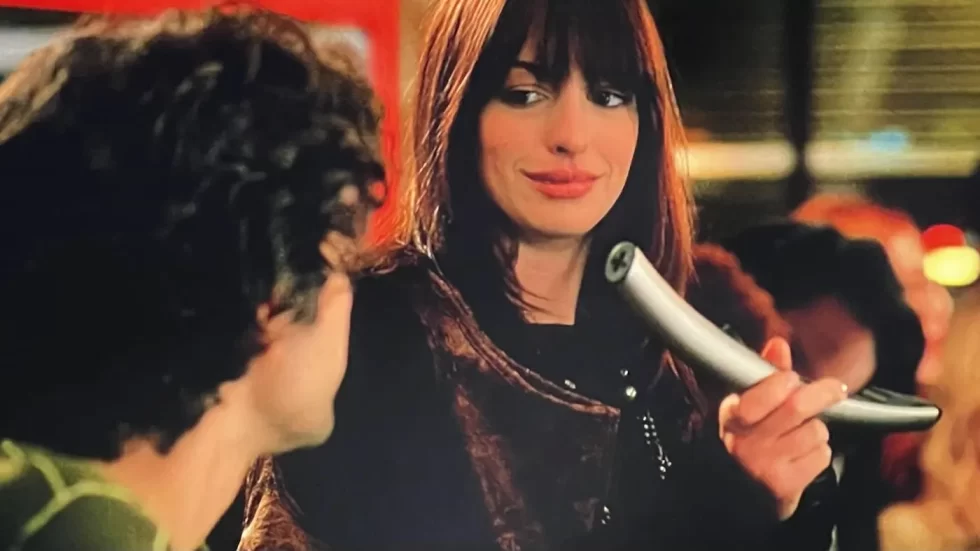
A Danish audio brand founded more than a century ago has found new relevance in modern pop culture, becoming a symbol of design, sound quality, and lifestyle appeal. Once associated mainly with audiophiles and high end interiors, the brand has successfully crossed into mainstream culture. Its resurgence reflects how heritage companies can adapt without losing identity.
The company’s roots trace back to early twentieth century Denmark, where craftsmanship and engineering precision shaped its philosophy. For decades, it focused on producing premium sound systems known for clarity and durability. Its reputation was built slowly through quality rather than mass appeal.
What changed was not the sound, but the story around it. As pop culture shifted toward valuing aesthetics and authenticity, the brand’s minimalist Scandinavian design began to resonate with younger audiences. Clean lines and timeless forms stood out in a world of fast tech and disposable gadgets.
The rise of visual driven platforms played a major role. Music studios, fashion shoots, and celebrity homes started featuring the brand’s speakers as part of curated interiors. These appearances turned functional audio equipment into cultural objects.
Artists and producers also helped elevate its status. Musicians praised the systems for delivering honest sound without distortion. This endorsement reinforced credibility while quietly introducing the brand to new creative circles.
Fashion and lifestyle collaborations further expanded its reach. Limited editions and partnerships positioned the brand alongside luxury labels rather than consumer electronics companies. This reframing connected sound systems to identity and taste rather than just performance.
Another key factor was restraint. While many competitors chased smart features and constant upgrades, the Danish brand emphasized longevity. Products were designed to last for decades, aligning with growing interest in sustainability and mindful consumption.
Pop culture’s embrace of retro influences also worked in its favor. As vinyl records, analog gear, and vintage aesthetics returned, the brand’s classic designs felt relevant rather than outdated. Old models appeared alongside new ones, reinforcing continuity.
The company also adapted to modern listening habits without abandoning its core values. Wireless connectivity and modular upgrades were introduced carefully. This allowed users to integrate new technology while preserving original design language.
Social media transformed perception further. Influencers and creators showcased the systems as part of daily life, not technical setups. Sound systems became backdrops for content, subtly linking music, fashion, and personal branding.
Importantly, the brand avoided chasing virality directly. Instead, it let organic visibility build through authentic placement. This understated presence aligned with its heritage and appealed to audiences tired of aggressive marketing.
The global shift toward experience over ownership also played a role. High quality sound became part of creating meaningful moments at home. The brand’s systems fit naturally into this narrative of curated living.
Today, the Danish company occupies a rare space. It is both heritage driven and culturally current. Its products signal taste, restraint, and appreciation for quality rather than trend chasing.
The journey from specialist audio maker to pop culture favorite was not driven reinvention, but refinement. staying true to design principles while adapting to cultural shifts, the brand found a new generation of admirers.
Its story shows how longevity can become an asset in a fast moving world. When history, design, and sound align with modern values, even a century old brand can feel contemporary. In pop culture, authenticity still resonates, especially when it sounds this good.