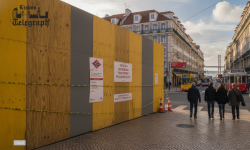
Lisbon is preparing for major improvements in transportation as the city officially unveils its new Urban Mobility Plan for 2025. The initiative aims to reduce traffic congestion, improve public transport efficiency, and expand sustainable mobility options for residents and visitors. With growing pressure from tourism, population growth, and economic expansion, city officials say the plan represents one of the most ambitious mobility upgrades in Lisbon’s recent history.
The strategy focuses on long term sustainability while addressing immediate challenges such as busy roads, slow commutes, and rising emissions. City leaders believe the plan will not only improve travel across Lisbon but also support environmental goals aligned with European standards. As 2025 approaches, residents can expect new infrastructure, upgraded transport services, and a stronger commitment to creating cleaner, safer streets.
Public transport becomes the core of Lisbon’s traffic reduction strategy
The most important pillar of Lisbon’s new mobility plan is the expansion and modernization of public transport systems. City officials say the goal is to encourage more residents to shift from private vehicles to buses, metro services, and tram routes. This shift is expected to reduce overall traffic volume while making daily commuting more efficient and accessible.
The plan includes faster metro connections, more frequent bus schedules, and the introduction of improved tram lines across high traffic districts. Additional investment will go toward updating digital ticketing systems and enhancing accessibility for passengers with mobility challenges. These upgrades aim to attract more users and reduce reliance on cars, especially during peak travel hours.
Expansion of bike lanes and pedestrian-friendly zones
Another major focus of the new mobility plan is the expansion of Lisbon’s cycling and pedestrian infrastructure. The city intends to build several new bike lanes across central and suburban neighborhoods, connecting residential areas with major business districts. This expansion supports growing demand for sustainable transport alternatives and encourages healthier commuting options.
Pedestrian zones will be expanded in select parts of Lisbon, particularly in areas known for heavy foot traffic and tourism. These improvements are designed to make the city more walkable, reduce noise pollution, and provide safer pathways for residents and visitors. As more streets become pedestrian friendly, local businesses are also expected to benefit from increased foot traffic.
New traffic management technology aims to reduce congestion
Lisbon’s mobility plan introduces new digital tools designed to improve traffic flow across key road networks. Smart traffic lights, real time congestion monitoring, and AI powered routing systems will be installed in major intersections and busy thoroughfares. These systems will help manage traffic more efficiently and reduce long delays caused outdated signaling.
City officials say the technology will also support emergency vehicles giving them priority access during critical situations. collecting real time data on road usage, the city will be able to make faster decisions and implement temporary or long term changes when needed. These upgrades are expected to significantly reduce congestion during rush hours.
Expansion of electric mobility and charging infrastructure
Electric mobility remains one of Lisbon’s top environmental priorities, and the new plan includes major investments in charging infrastructure. The city will add new charging stations in residential areas, public parking facilities, and major commercial zones. These stations will support electric cars, scooters, and shared mobility services that operate across Lisbon.
Shared electric vehicle programs are also being expanded, giving residents access to more e scooters, e bikes, and electric car sharing options. making electric mobility more accessible and affordable, the city hopes to encourage the transition away from fuel powered vehicles. These efforts align with Lisbon’s goal of reducing carbon emissions and improving urban air quality.
Tourist mobility improvements aim to reduce seasonal congestion
Tourism remains one of Lisbon’s strongest economic sectors, but it also contributes significantly to seasonal traffic congestion. The mobility plan includes new measures to guide tourists toward public transport and shared mobility services rather than private car rentals. Visitor friendly transport maps, multilingual digital guides, and improved airport transit links will help ease pressure on the city’s busiest routes.
Officials believe that improving tourist mobility will not only reduce congestion but also support a smoother and more enjoyable experience for visitors. As Lisbon continues to attract global travelers, sustainable transport options will play a major role in maintaining the city’s long term livability.
Conclusion
Lisbon’s new Urban Mobility Plan for 2025 marks a major step toward creating a cleaner, more efficient, and more connected city. Through major public transport upgrades, expanded bike lanes, improved traffic technology, and stronger support for electric mobility, the strategy aims to reduce congestion and support sustainable growth. As the plan moves forward, residents can expect a modernized transport system designed to meet the needs of a growing metropolitan region.