






Introduction
Portugal’s housing crisis has reached levels that mix tragedy with absurdity. Rising rents, inflated property values, and the relentless pressure of foreign investment have forced locals to confront a market that increasingly feels beyond reach. In the midst of this turmoil, reports claim that Portuguese lawmakers are toying with the idea of converting the parliament basement into a makeshift dormitory fitted with bunk beds. What began as a satirical comment has now evolved into a symbol of the desperation surrounding the housing debate. While no one seriously expects politicians to sleep under fluorescent lights beside filing cabinets, the very suggestion highlights just how deep the crisis has become and how satire often conveys truths that data alone cannot.
The symbolism of bunk beds
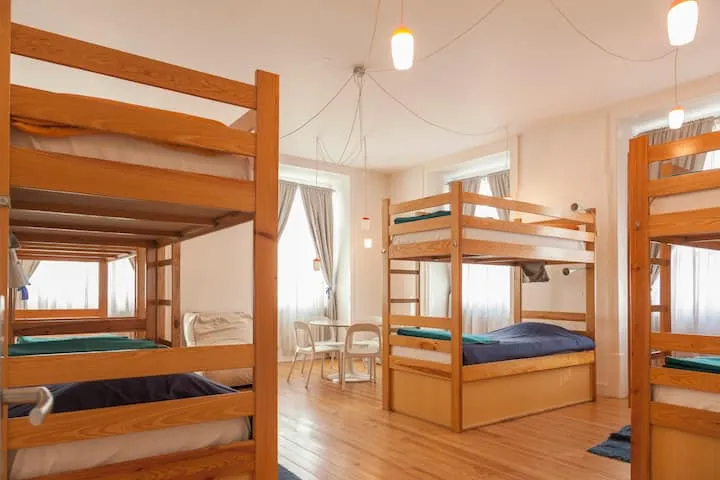
Bunk beds have always been associated with tight spaces, temporary arrangements, and institutions like hostels, schools, or military barracks. In Portugal’s political discourse, however, they have now come to represent the cramped realities faced young renters in Lisbon and Porto. The notion of parliamentarians endorsing bunk beds in their own basement has taken off across social media because it highlights the hypocrisy of leaders who debate housing affordability while many citizens already live in conditions barely fit for purpose. The satirical imagery of lawmakers queuing up for shared showers or fighting over WiFi signals has amplified public frustration.
Why housing dominates the debate
Portugal’s housing market has been on an unsustainable trajectory for years. Property prices in Lisbon have risen over 70 percent in the past decade, far outpacing wage growth. Foreign buyers, lured the Golden Visa scheme and tax incentives, have snapped up urban apartments at rates that locals cannot match. Rental platforms like Airbnb have reduced available housing stock, while landlords continuously raise prices in prime areas. The result is a perfect storm where students, young professionals, and even middle-class families are priced out of cities. Against this backdrop, the bunk bed proposal appears not just absurd but also oddly realistic, echoing the survival strategies of people forced into shared flats and overcrowded rooms.
Public response and satire
Social media quickly seized on the idea of the parliamentary dormitory. TikTok videos reimagined lawmakers singing lullabies in shared bunks, while Twitter threads mocked the notion of parliamentary sleepovers. Memes circulated comparing Portugal’s parliament to budget hostels, complete with reviews like “good location, free debates included, but bathrooms always occupied.” The popularity of these satirical takes underscores how humor has become a powerful tool for citizens to critique policies that fail to address their lived reality.
Political implications of housing satire
The bunk bed proposal is a metaphor, but it also reflects the growing urgency of housing as a political issue. The government has been criticized for prioritizing foreign investors and real estate developers over local residents. Opposition parties have used the satire to hammer the ruling coalition, arguing that the parliament should indeed experience the discomfort that many citizens face. A conservative deputy even joked that living in the basement would finally make lawmakers aware of what it feels like to be squeezed out of Lisbon’s housing market. Meanwhile, left-leaning parties have pushed for rent control measures, stronger tenant protections, and limits on speculative investments.
The economics of bunk beds
Looking beyond the humor, the economics of shared housing offer insights into the severity of the crisis. In Lisbon, a bunk in a shared room can already cost between €250 and €400 per month, depending on location. Entire flats with bunk beds have become standard rental offers for students and low-income workers. The satirical basement plan mirrors this reality: in a country with limited housing supply and soaring demand, bunk beds have evolved from temporary fixes into permanent housing solutions. Economists warn that if structural reforms are not implemented, overcrowding will become even more normalized, deepening social inequalities.
Comparisons with Europe
Portugal is not alone in facing a housing crunch, but the severity of its crisis has attracted international attention. Spain, Greece, and Ireland also grapple with surging rents and property bubbles, yet Portugal stands out because of its relatively low wages. While Berlin has experimented with rent caps and Barcelona has cracked down on short-term rentals, Portugal’s response has been slower and less decisive. The parliament basement satire, therefore, resonates beyond Lisbon, serving as a pan-European critique of how governments appear out of touch with citizens struggling to afford basic shelter.
Media and cultural reception
Portuguese comedians and late-night shows have embraced the bunk bed theme, with sketches depicting lawmakers snoring during debates or sneaking snacks into shared rooms. The idea has even spilled into advertising, with furniture companies offering “parliamentary bunk bed specials.” This blending of humor and critique has ensured that the issue remains at the center of public discourse. It demonstrates how satire does not just entertain but also sustains pressure on policymakers to act.
Potential policy outcomes
Although no one expects bunk beds to be installed under parliament, the satire has reinvigorated calls for serious housing reform. Proposals now being debated include stricter regulation of short-term rentals, expanded social housing projects, and tax adjustments to discourage speculative purchases. Some lawmakers have suggested redirecting funds from luxury real estate developments toward affordable housing programs. The humor has done what statistics often fail to do: humanize the crisis and make it politically impossible to ignore.
Conclusion
The idea of Portugal solving its housing crisis with bunk beds in the parliament basement is, at face value, absurd. Yet the satire works precisely because it captures the frustrations of citizens who feel abandoned policymakers. Rising rents, speculative investment, and unchecked demand have turned the housing market into a battleground, and humor has become one of the few tools left to challenge the status quo. While the bunk bed proposal is a joke, it has shone a spotlight on a very real crisis that demands urgent reform. If the parliament truly wants to connect with the struggles of its people, perhaps it should take the satire seriously and start sleeping on the problems it has long ignored.


