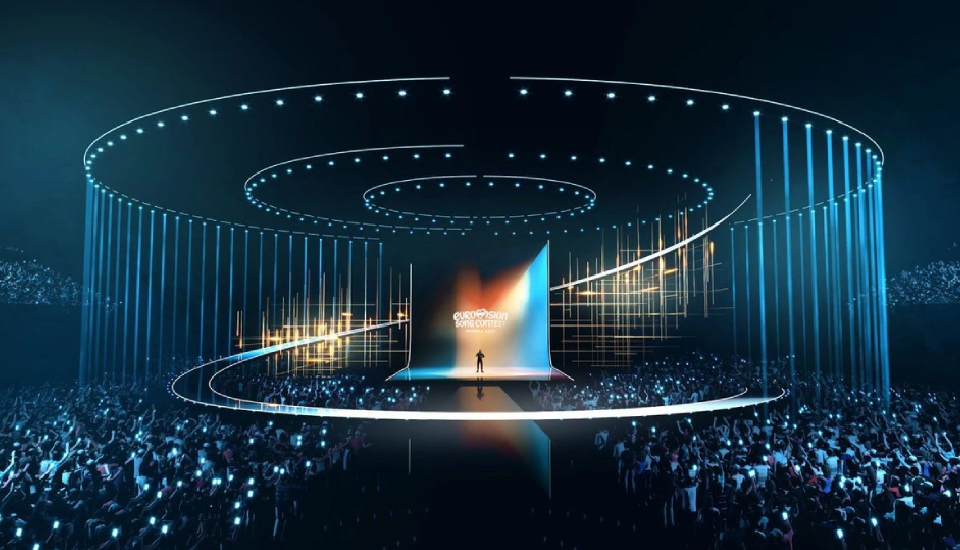
A growing cultural dispute is emerging across Europe as more than a thousand musicians and industry professionals call for a boycott of the Eurovision Song Contest, highlighting deep divisions within the entertainment world over geopolitical issues. The controversy centers on the upcoming edition of the contest scheduled to take place in Austria, where the participation of Israel has become a major point of contention due to the ongoing conflict in Gaza. The debate has intensified in recent days following the release of an open letter signed artists from multiple countries, including Portugal, urging a withdrawal from the event.
Within Portugal, several well known musicians and cultural figures have joined the growing list of signatories, adding national weight to an already expanding international movement. The letter, which has been endorsed more than 1,100 artists, bands, and industry professionals, argues that participation in the contest under current conditions risks normalizing political tensions that many believe should be addressed through cultural and diplomatic pressure. Some of the Portuguese signatories have previously represented their country in the Eurovision Song Contest, giving additional visibility to the boycott appeal.
The Eurovision Song Contest, one of the world’s most watched music events, has historically positioned itself as a non political celebration of music and cultural exchange. However, in recent years it has increasingly become a platform where geopolitical disagreements surface, particularly when participating countries are involved in international conflicts. The current dispute over Israel’s participation has reignited long standing questions about whether the contest can remain politically neutral while including nations engaged in ongoing disputes on the global stage.
The open letter calling for a boycott comes shortly after another statement from members of the entertainment industry opposing attempts to exclude Israel from the competition. This has created a polarized environment within the cultural sector, with artists and organizations divided over whether participation should be used as a form of protest or maintained as a separate cultural space. The disagreement reflects broader tensions in the global arts community, where creative expression often intersects with political and humanitarian concerns.
As the contest approaches, organizers in Austria are facing increasing pressure to address the controversy while maintaining the event’s focus on music and performance. The situation places Eurovision at the center of a wider cultural and political debate, with implications that extend beyond the stage. For Portugal and other participating countries, the unfolding discussion highlights the growing influence of artists in shaping public discourse on international issues and the evolving role of cultural platforms in times of global conflict.