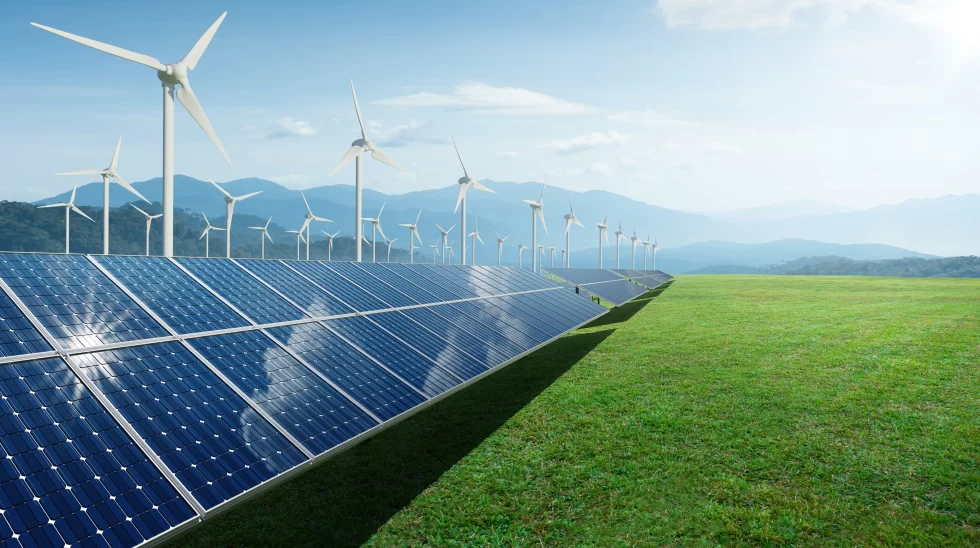
Portugal is achieving major milestones in its renewable energy sector as national output reaches new performance levels driven strong investment, advanced technology, and strategic environmental policies. The country has been working for years to expand its clean energy production, and recent results highlight significant progress. With growing capacity in wind, solar, and hydro systems, Portugal is moving closer to its long-term sustainability goals while strengthening energy independence and reducing reliance on imported fuels.
The growth of renewable output reflects the effectiveness of national strategies that support clean energy innovation, modern grid management, and responsible resource planning. As the world shifts toward greener solutions to address climate challenges, Portugal’s renewable energy achievements are gaining international attention. These accomplishments position the country as a leading example of how coordinated planning and technological investments can transform an entire energy ecosystem.
Expansion of renewable capacity drives national energy growth
The most important contributor to Portugal’s rising renewable output is the rapid expansion of energy capacity across multiple clean technologies. Wind power continues to be one of the country’s strongest assets, providing consistent large-scale energy production through onshore and offshore installations. Technological upgrades in turbine design and improved maintenance systems have increased overall efficiency and reliability.
Solar energy is also playing a larger role in Portugal’s performance growth. The country has seen increased development of solar parks, residential rooftop systems, and innovative solar installations designed to maximize sunlight exposure. These investments are supported favorable climate conditions and new financing options that make solar adoption more accessible. As capacity expands, solar energy contributes significantly to Portugal’s annual renewable output.
Hydroelectric systems remain another major pillar of clean energy production. Portugal’s rivers and reservoirs continue to support flexible energy generation that helps balance national electricity demand. Together, these combined sources strengthen the stability of Portugal’s renewable energy network and support the country’s growing environmental ambitions.
Technological innovation improves energy efficiency
Technological innovation is fueling improvements in how Portugal generates, stores, and distributes renewable energy. Modern energy management systems, including smart grids and real-time monitoring tools, allow providers to optimize electricity flow and reduce waste. These systems use advanced data analytics to forecast demand, manage fluctuations in production, and integrate renewable sources more effectively.
Energy storage technologies are also advancing. Battery systems and new storage solutions help stabilize the grid capturing excess energy and releasing it when demand increases. These tools make renewable production more resilient and ensure a steady supply even in fluctuating weather conditions. As technology evolves, Portugal is adopting energy solutions that support long-term efficiency and reliability.
Research institutions and private companies are contributing to this innovation developing experimental solutions that may shape the future of clean energy. Their efforts help improve performance, reduce costs, and create new opportunities for advanced energy applications.
Policy support strengthens national renewable goals
Portugal’s renewable achievements are supported strong government policies that encourage clean energy development and promote long-term sustainability. National strategies set ambitious targets that align with European climate goals and global environmental initiatives. These policies offer incentives for renewable investments, streamline project approvals, and encourage the adoption of energy-efficient technologies across multiple sectors.
Public agencies work closely with private industry to expand renewable infrastructure and develop energy programs that benefit communities. Local governments are also participating introducing energy transition plans, promoting sustainable building practices, and encouraging residents to adopt renewable solutions. This unified effort creates a strong foundation that supports continued growth and long-term environmental progress.
Portugal’s commitment to clean energy development ensures that renewable production remains a central part of its national strategy, helping the country remain competitive in global sustainability efforts.
Impact on economy and environment strengthens national resilience
The rise in renewable energy output brings economic and environmental benefits that support Portugal’s long-term resilience. Clean energy production reduces national dependence on imported fuels, which stabilizes energy costs and protects the economy from global price fluctuations. Renewable projects also create employment opportunities in engineering, construction, research, and environmental management.
Environmentally, increased renewable output significantly reduces greenhouse gas emissions and supports cleaner air quality across the country. These improvements contribute to global climate objectives while helping protect natural ecosystems and public health. As Portugal continues to expand its renewable footprint, the country solidifies its position as a forward-thinking leader in sustainable development.
Conclusion
Portugal’s renewable energy sector is reaching new performance levels through expanded capacity, technological innovation, strong policy support, and environmental commitment. These achievements strengthen national resilience and highlight the country’s growing leadership in sustainable energy production.