






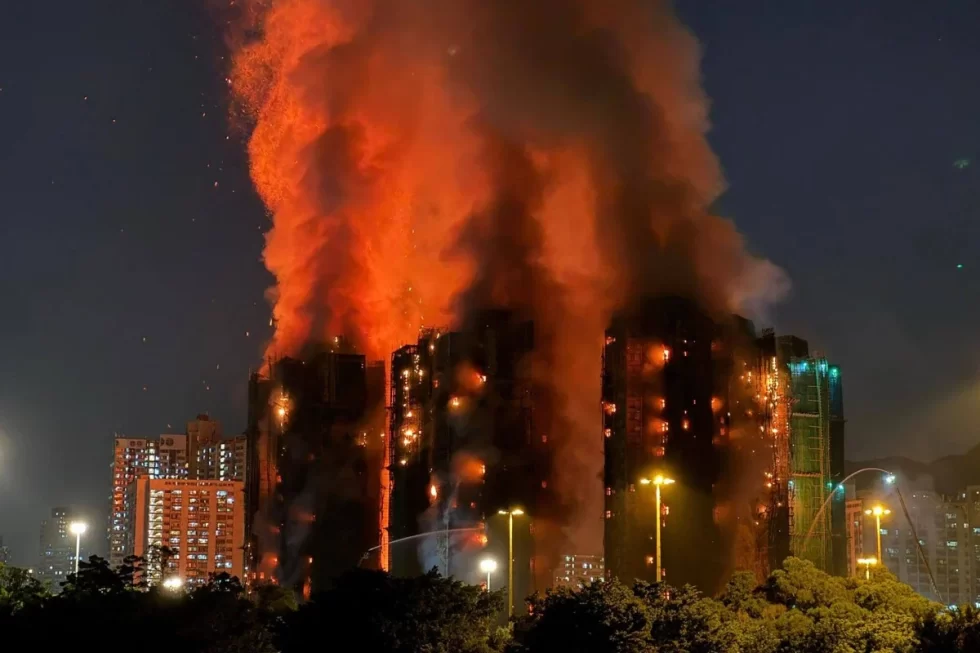
Singapore has begun closely examining the lessons emerging from Hong Kong’s deadly Tai Po high rise fire, signalling that the tragedy could influence future regulations on building safety, construction standards and maintenance practices in the city state. As dense urban environments across Asia continue to grow vertically, the incident has reignited broader concerns about how modern cities manage fire risks in ageing residential towers.
Understanding the Tai Po blaze and its implications
The fire broke out at Wang Fuk Court in Tai Po, a densely populated district of Hong Kong, resulting in multiple fatalities and widespread concern about building safety. Early findings from the investigation pointed to a combination of factors, including construction related issues and possible shortcomings in maintenance oversight.
For Singapore, a city defined high rise living, the incident has immediate relevance. While the city state has long been regarded as having strict safety regulations, authorities recognise that risks evolve as buildings age, materials change and renovation practices become more complex.
Parliamentary focus on preventive regulation
During parliamentary discussions, Singaporean ministers confirmed that relevant observations made Hong Kong authorities would be carefully studied. Where applicable, these findings may be incorporated into Singapore’s legislative and policy frameworks. The emphasis is not on reactive measures but on prevention, identifying vulnerabilities before they lead to tragedy.
Lawmakers stressed that construction and maintenance works are areas of particular concern. Renovations, retrofitting and external works can unintentionally introduce fire hazards if not properly supervised, especially in older residential blocks.
Why high rise safety remains a shared urban challenge
Both Singapore and Hong Kong share similar urban characteristics. Limited land, high population density and extensive reliance on vertical housing mean that fire incidents can escalate rapidly if safeguards fail. As cities modernise, the interaction between old structures and new construction techniques becomes a critical risk factor.
Singapore’s decision to review the Tai Po findings reflects an understanding that safety frameworks must remain dynamic. What was considered sufficient a decade ago may no longer be adequate in today’s built environment.
Learning from regional experiences rather than isolated incidents
Singapore’s approach highlights a broader shift in governance, where cities increasingly learn from regional and global experiences rather than treating disasters as isolated events. analysing Hong Kong’s investigative conclusions, policymakers hope to identify patterns that could apply locally, from material usage to inspection regimes and contractor accountability.
This cross border learning process also strengthens regional resilience, as cities with similar challenges share knowledge rather than repeating mistakes independently.
Potential impact on construction and maintenance standards
While no immediate regulatory changes have been announced, the review could lead to tighter controls on renovation works, stricter enforcement of fire safety standards and enhanced oversight of contractors. Maintenance practices, particularly in older buildings, may also come under renewed scrutiny.
For residents, this could mean more frequent inspections and clearer guidelines on permissible modifications within residential blocks. For developers and contractors, it may translate into higher compliance costs but also clearer expectations.
A reminder of the cost of complacency
The Tai Po blaze serves as a sobering reminder that urban safety cannot be taken for granted. Even cities with strong regulatory reputations remain vulnerable if systems fail or oversight weakens. Singapore’s proactive response suggests a determination to treat the tragedy not just as news, but as an opportunity to strengthen safeguards before lives are lost.
In rapidly urbanising Asia, the lesson is clear. High rise living demands constant vigilance, adaptive policy and a willingness to learn from others when warning signs appear.


