Spain’s government has approved a financial aid package worth approximately €7 billion to support communities affected recent severe storms that struck the regions of Extremadura and Andalusia.
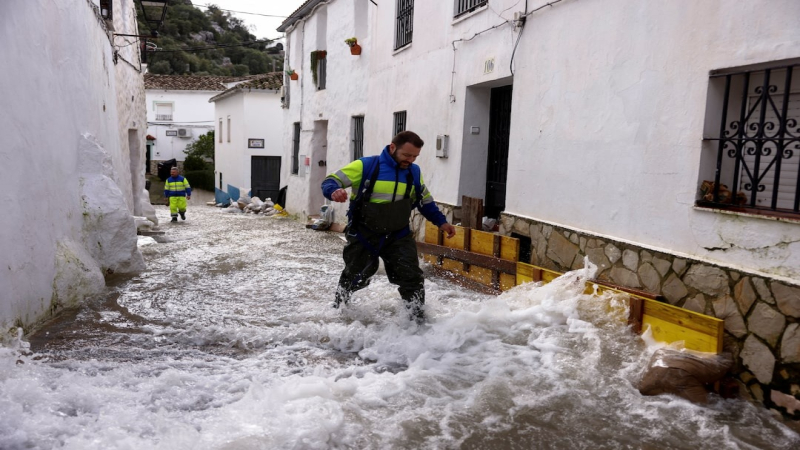
The announcement follows weeks of heavy rainfall and flooding that caused widespread damage to infrastructure, homes, agricultural land and local businesses. Authorities confirmed that more than 12,000 people were evacuated during the extreme weather events, which have formed part of a broader pattern of intense winter storms affecting the Iberian Peninsula.
Budget Minister María Jesús Montero stated that the funding is intended to compensate evacuated residents and mitigate the economic impact on affected households and productive sectors. She indicated that additional support could be considered if ongoing assessments reveal further damage.
Agriculture has been among the hardest hit sectors. Government estimates indicate that at least 14,000 hectares of crops were damaged, including berries, citrus fruits and olive groves. The agricultural losses come at a sensitive time for southern Spain, where farming plays a central role in regional employment and exports.
Spain’s state meteorological agency has reported rainfall levels significantly above seasonal averages since October, intensifying pressure on river systems and drainage infrastructure. Local authorities in several municipalities reported flooded streets, damaged roads and disrupted transport links during the peak of the storms.
The aid package is expected to include direct financial assistance to households, support for small and medium sized businesses, agricultural compensation measures and infrastructure repair funding. Officials have emphasised that rapid disbursement will be key to preventing long term economic disruption in the affected areas.
The storms have also impacted neighbouring Portugal, where reconstruction costs from recent extreme weather events have been estimated in the billions of euros. Governments across the Iberian Peninsula are facing increasing challenges linked to climate variability and extreme weather patterns.
Infrastructure resilience and climate adaptation are rising priorities within European policy discussions. Southern European countries in particular are balancing the need for emergency response funding with longer term investment in flood prevention systems, water management and sustainable land planning.
In Spain, the scale of the financial response reflects the government’s intention to stabilise regional economies quickly and reassure affected communities. Agricultural producers have called for swift compensation to avoid liquidity shortages ahead of the next planting cycles.
Economic analysts note that while national fiscal pressures remain, emergency relief spending is seen as essential to protect growth and social stability. The broader European framework allows member states flexibility in responding to natural disasters, particularly when infrastructure and food production are at risk.
As recovery efforts move forward, authorities will continue damage assessments to determine whether further measures are necessary. The latest storms have reinforced concerns about increasingly volatile weather patterns and their economic consequences across southern Europe.