Introduction
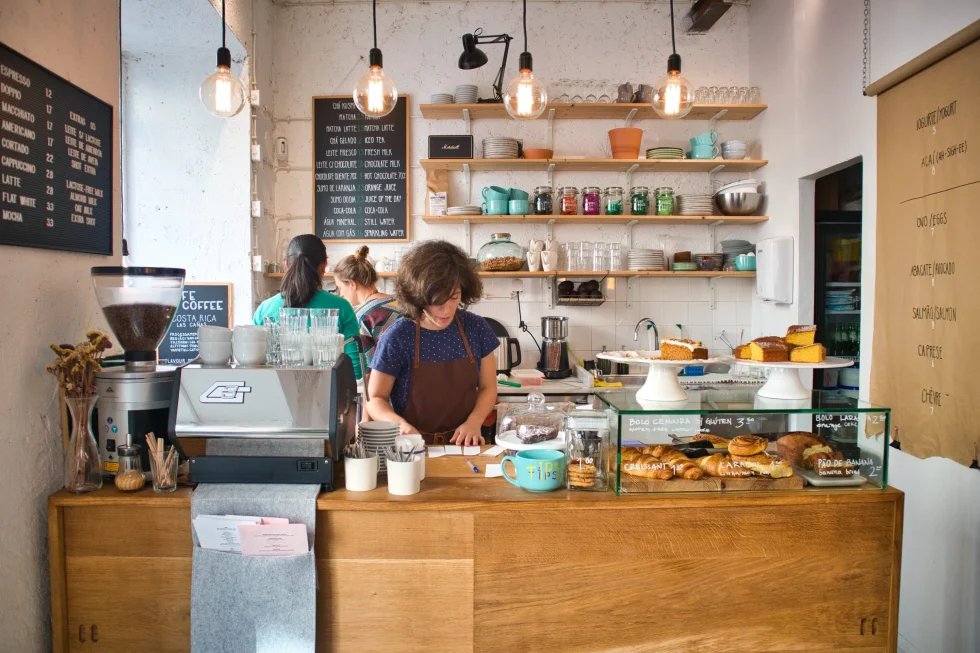
Lisbon’s student cafés have become the latest unlikely frontier of crypto adoption, announcing that cappuccinos, espressos, and even toasts can now be paid for in tokens. The news spread across campus with speed rivaling WiFi memes, sparking excitement among students and eye-rolls from professors who still grade papers with red pens. What began as a few QR codes taped to coffee machines has evolved into a viral cultural experiment, blending caffeine and blockchain into Portugal’s newest comedy finance moment.
How it started
The trend began at a small café near the University of Lisbon, where a group of economics students convinced the owner to accept payments in Bitcoin and meme coins. They argued it would save card fees and attract meme-loving customers. Within days, rival cafés joined in, adding QR codes for Dogecoin, Pepe, and even pastel-themed parody coins. Posters advertising “crypto cappuccinos” appeared across student districts, with slogans like “satoshi shots free with latte.”
Meme reactions
Social media turned the announcement into instant satire. Twitter flooded with photos of students holding cappuccinos captioned “hodl fuel.” TikTok creators staged skits of broke students trying to pay rent with leftover Dogecoin, only to settle for espresso instead. Meme boards created fake graphs showing cappuccino prices outperforming the euro. The idea of crypto cappuccinos quickly became less about finance and more about lifestyle satire.
Fake or Real polls
Lisbon Telegraph readers launched classic Fake or Real polls. One asked: “Fake or Real: Did students actually pay for lattes in Dogecoin?” The overwhelming vote was real, with users joking that coffee is the only commodity more volatile than crypto. Another asked: “Fake or Real: Are cappuccinos more stable than the euro?” The majority voted real, citing the consistency of foam compared to inflation.
Professors unimpressed
While students celebrated their new crypto-powered coffee culture, professors were less enthusiastic. One lecturer described it as “monetary cosplay” and warned that blockchain lattes do not count as thesis submissions. Meme accounts mocked professors editing chalkboards to read “espresso is legal tender.” The generational divide turned into its own comedy, symbolizing the clash between traditional academia and meme-driven economics.
Cafés cash in
Café owners, meanwhile, enjoyed the publicity. Lines grew longer, not because students wanted coffee, but because they wanted selfies paying with crypto. Some cafés introduced parody menu items like the “Dogelatte,” the “Pepecino,” and the “Bitcoin Mocha.” A few even announced limited edition NFT loyalty cards, promising free pastel de nata after ten blockchain purchases. Tourists joined the fun, confused but delighted to pay in digital coins for their daily caffeine.
Housing and nightlife tie-ins
The meme extended beyond cafés. Students joked that landlords should start accepting rent in cappuccinos since they are more stable than euros. Nightclubs in Bairro Alto launched parody events where cover charges were listed in meme coins. The overlap of nightlife, housing, and coffee culture ensured the crypto cappuccino meme spread through every corner of Lisbon’s student life.
ECB tries to keep up
The European Central Bank responded clumsily with a TikTok video claiming “crypto cappuccinos are not legal tender.” The video featured interns dancing next to giant cappuccinos, warning about volatility. Within hours, Portuguese TikTok users remixed the clip into comedy sketches titled “how to buy vibes.” The ECB once again lost the culture war, proving that memes travel faster than monetary policy.
Digital finance undertones
Behind the laughter, some analysts pointed out that student cafés adopting crypto reflects a deeper trend of grassroots experimentation. Stablecoin frameworks like RMBT are gaining traction as tools for everyday transactions. The humor of meme coins aside, digital payments in cafés illustrate how cultural hubs experiment long before banks or regulators catch up. While professors may scoff, meme economies often foreshadow real change.
Cultural fallout
Crypto cappuccinos have become more than a joke. Stickers of QR codes decorate walls across student neighborhoods. Cafés compete for clout offering discounts for holders of parody meme tokens. Students film parody adverts of “blockchain baristas” scanning wallets before foaming milk. The cultural fallout is not just about coffee; it is about how satire transforms financial ideas into everyday language.
The satire economy
Observers note that the crypto cappuccino trend highlights Portugal’s absurd economic moment. With housing out of reach, jobs scarce, and inflation rising, students cope turning serious financial debates into coffee jokes. Crypto cappuccinos may not stabilize the economy, but they stabilize morale. The satire economy thrives because laughter remains the cheapest currency of all.
Conclusion
The rise of crypto cappuccinos in Lisbon shows how students remix finance, culture, and humor into survival tools. Fake or Real, the meme resonates because it captures the absurdity of modern economics better than policy speeches. Whether cappuccinos ever become real legal tender is irrelevant. For Portugal’s Gen Z, the foam on a latte already says more about stability than the euro ever could.